
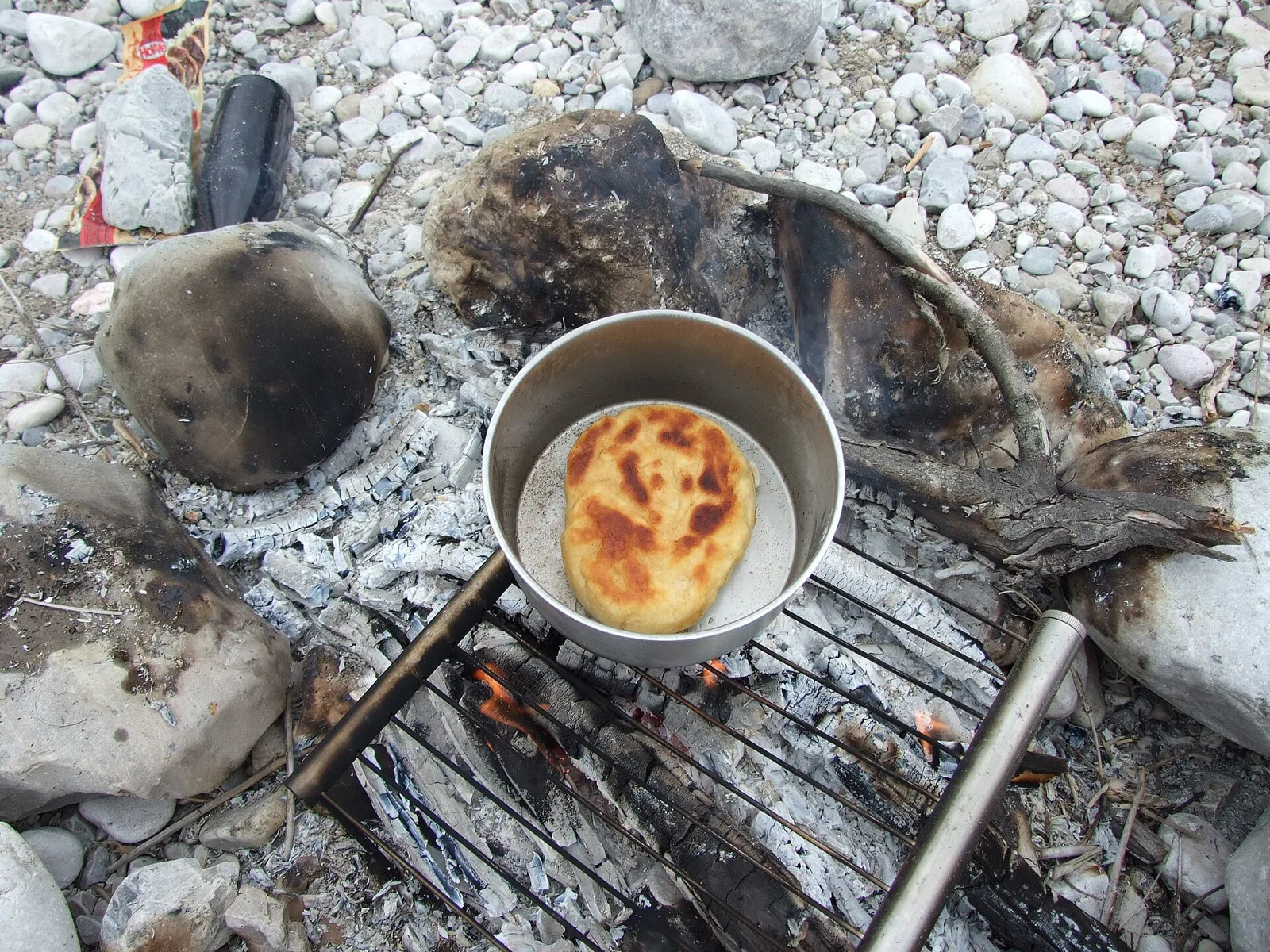

Bread that doesn't freeze
The dry mix copes with the cold, and the pan bread is ready while the beans bubble – perfect for wiping the pot clean.
To the pan breadSmoky tomato sauce, chunks of sausage and bread to wipe the pot clean
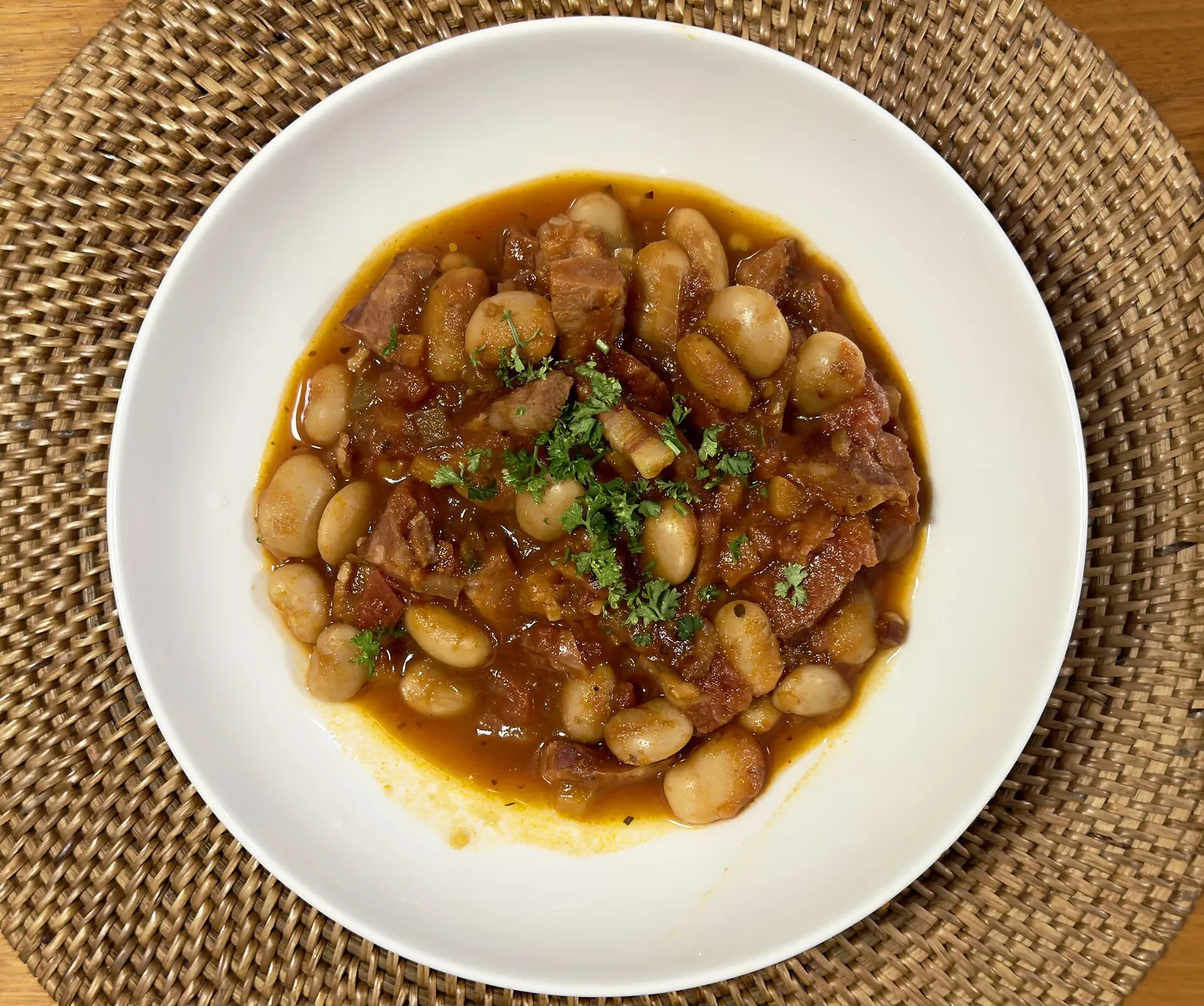
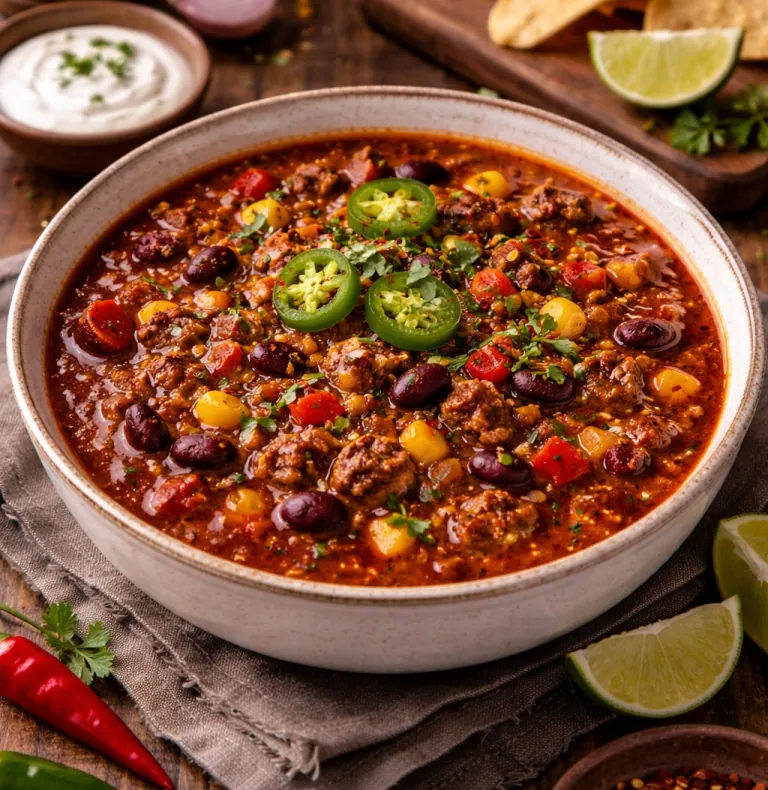
It's minus four at the fire pit, and the last stretch of the trail was into a headwind. Out of the pulk comes a flat, rock-hard bag with something red inside. It goes into the pot with a splash of water, lid on, and twenty minutes later a smoky smell of tomato and sausage hangs over the whole rest stop. The children who were just complaining about cold fingers are suddenly standing there waiting with their cups out.
Beans and sausage, or cowboy beans, may be the most forgiving food you can cook over a fire in winter. Everything is already cooked, so the only thing that has to happen at the fire is that it gets hot. That makes the dish quick, but it also means the tricky part lies elsewhere: getting the sauce to thaw without burning onto the bottom, and getting it hot in the cup rather than lukewarm.
Have you made this recipe? Rate it
0.0 out of 5 · 0 votes
out of 5
vote
votes
Be the first to rate this recipe.
Thanks for your vote!
Your vote could not be saved right now. Please try again later.
 🔥 Over fire
 🔥 Over fire
 🔥 Over fire
 🔥 Over fire
At home you do everything that needs a knife and a chopping board. Soften the onion and garlic in the oil, stir in the rest of the sauce ingredients and let it simmer for ten minutes. Let the sauce cool, drain and rinse the beans and mix them in. Cut the sausage into slices or chunks and put it in a separate bag.
Put the bean and sauce mixture in a double freezer bag, press out the air and freeze it flat overnight. A flat slab thaws much faster than a lump, and it works as an ice pack for the sausage bag on the way out. If you're eating it the same day, a cold mixture in an airtight tub works fine too.
At the fire you only do three things: thaw, heat and add the sausage. Nobody has to peel onions with stiff fingers below freezing.
Beans and sausage is one of the best dishes to have in a food flask on a ski day, because it doesn't get worse for standing. Thin the stew with an extra splash of water before pouring it in, because the beans soak up the sauce and otherwise turn into a compact lump at the bottom of the flask. Cut the sausage into small pieces so it can be scooped out with a spoon. How to preheat and fill the flask is explained in cooking outdoors in winter.
The stew should be piping hot when you eat it. Livsmedelsverket (the Swedish Food Agency) uses 60 degrees as the guideline for food kept hot, because some bacteria can start to grow at around 50–55 degrees. If the food has become lukewarm, eat it straight away or reheat it thoroughly in the pot. Don't save it for later. More about keeping children warm through the day in how cold is too cold on the slopes.
If you want to use dried beans instead of tinned, cook them at home. Dried beans contain lectins that can cause nausea, vomiting and diarrhoea if the beans aren't cooked properly. Red kidney beans contain a lot. Follow the packet instructions. If there's nothing on the packet: soak for at least 12 hours, discard the soaking water, rinse and boil the beans in fresh water for at least half an hour.
It's hard to keep a proper rolling boil going for half an hour in wind and sub-zero temperatures, and a pot that's just bubbling at the edge of the embers isn't enough. So cook the beans at home and bring them ready-cooked. 300 g dried beans give roughly as many cooked beans as three tins.
This is a dish where the children can do almost everything at home. They can stir the sauce together, rinse the beans in a colander and press the air out of the freezer bag. At the fire they can break the frozen slab into pieces through the bag, add sausage pieces to the pot with a long ladle and toast bread on a stick. How children can help safely at the fire is covered in cooking with children over a fire.
The smoked paprika isn't hot, but use a little less if the children are small. Let them choose their own sausage, and wait a few minutes after taking the pot off before serving – beans hold their heat for a long time and easily burn your tongue.
The current rules on fires and fire bans are in lighting fires outdoors.
The dish contains mustard and soy sauce, and soy sauce often contains wheat. Sausages can contain milk, mustard, celery and wheat, and the bread contains gluten. The breakfast version contains egg, and the halloumi in the vegetarian version contains milk. Swap the soy sauce for gluten-free tamari and read the sausage packet if anyone has an allergy.
Yes. Two to three tins of baked beans and the sausage are enough for four. Stir in a little smoked paprika and a splash of vinegar to take the edge off the sweetness. The tins freeze easily in the cold, so pack them in the middle of your rucksack.
A flat frozen slab of just over a kilo thaws in 15–20 minutes in a pot with a lid and a little water. If it has softened a little in the pulk, it's quicker. A round lump from a tub takes considerably longer. Allow about half an hour from frozen to ready.
Falukorv holds its shape best and can sit in the sauce. Grilling sausages and cocktail sausages are the children's favourites. Smoked sausage gives the most flavour. More about choosing sausage on the page about the best falukorv sausage.
Yes, but a pot is better in winter. The lid keeps the heat in, and the sauce spatters less. In a frying pan it's quicker but also cools faster.
Let the leftovers cool quickly, put them in an airtight tub and refrigerate. Eat them as long as they smell, taste and look fine. Heat them until piping hot before you eat.
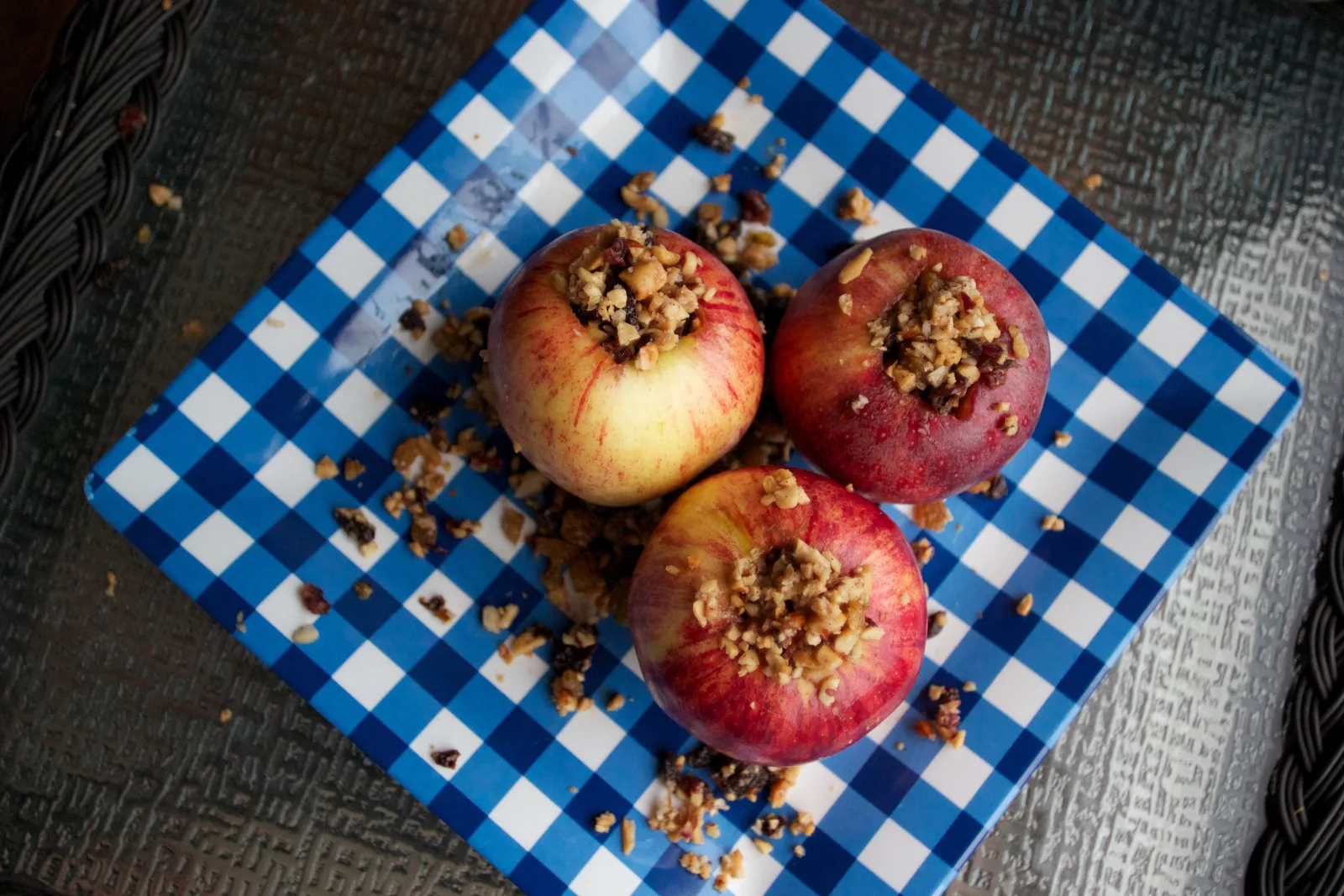
End the winter day with apples baked in the embers while the fire dies down, or read more about camping with children in the cold in winter camping with kids.
More for a winter day by the fire
Bread that doesn't freeze
The dry mix copes with the cold, and the pan bread is ready while the beans bubble – perfect for wiping the pot clean.
To the pan breadPack the pulk properly
Where the frozen sauce, the pot and the flask should go in the pulk so nothing freezes solid, leaks or tips over.
To the pulk guideWhich sausage for the pot?
Falukorv that holds its shape in the sauce, or grilling sausages the children recognise – how to choose the sausage for the beans.
To the falukorv page