


The flask does half the work
How to carry the heat from home in a food flask and let the camp kitchen just reheat and bring things to the boil – when the cold saps the stove's power.
To the winter kitchenPotatoes and leek in the pot, the salmon in last and dill on top

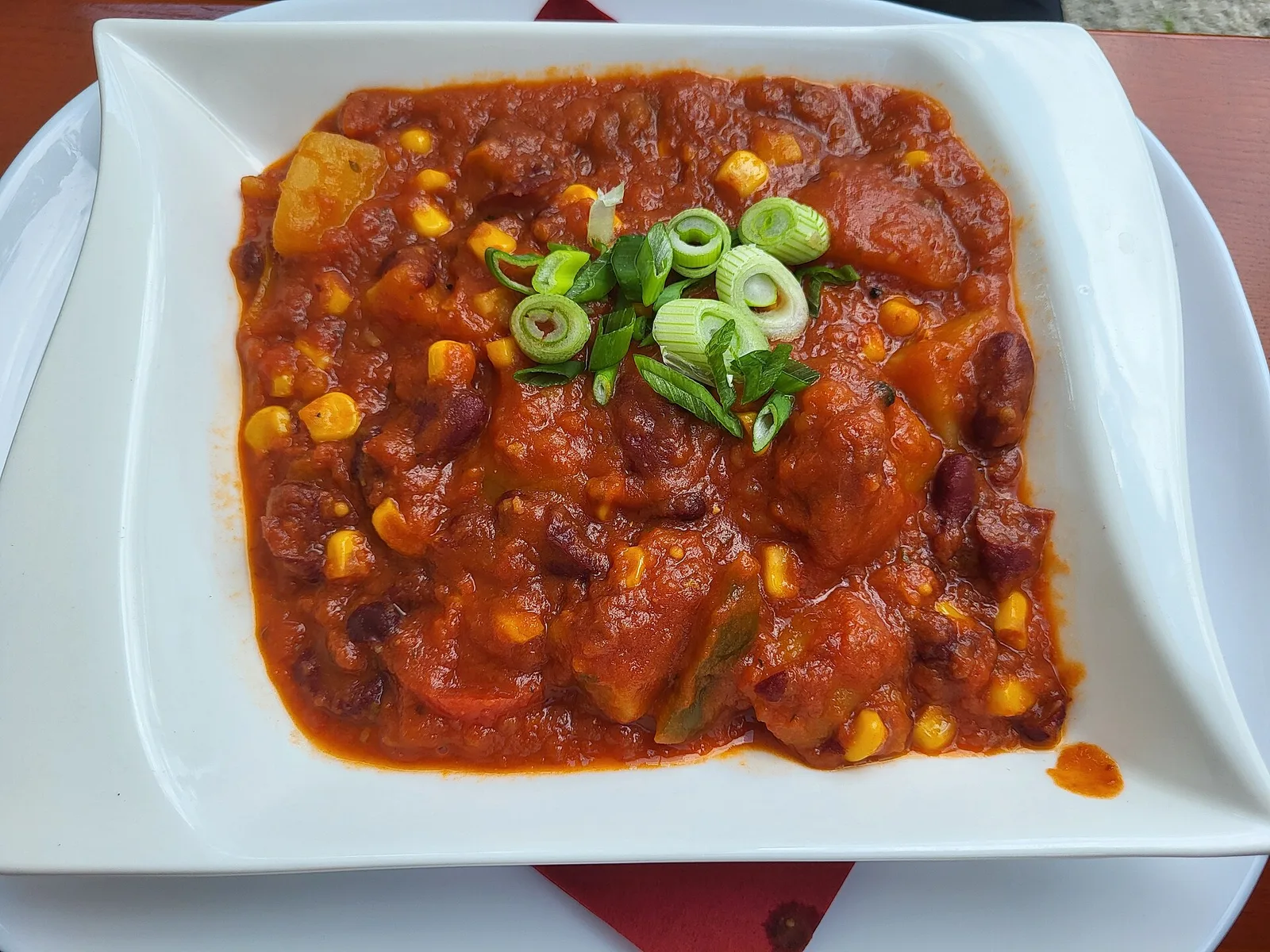
The fire pit sits where the cross-country ski tracks turn in among the spruces. The fire has been burning for a while, the snow has melted in a dark ring around the stones and the pot is already on the grate. Out of the flask comes the steaming stock, with allspice berries and a bay leaf swirling round. Ten minutes later the whole clearing smells of dill, and nobody asks how far there is to go any more.
Salmon soup is everyday Finnish food, lohikeitto, and it suits winter unusually well: it's filling, it warms you from the inside and almost all the work can be done at home. The only thing that really has to happen at the fire is what makes the soup good – letting the salmon simmer gently for the last few minutes, so it holds together in big, juicy pieces.
Have you made this recipe? Rate it
0.0 out of 5 · 0 votes
out of 5
vote
votes
Be the first to rate this recipe.
Thanks for your vote!
Your vote could not be saved right now. Please try again later.
 🔥 Over fire
 🔥 Over fire
 🔥 Over fire
 🔥 Over fire
A pot with two litres of cold water takes a long time to come to the boil on a sub-zero day. That's why the soup is split into two parts.
At home: bring the water to the boil with the stock cube, allspice and bay leaves. Warm the flask with hot water, empty it and fill it with the boiling stock. Peel the potatoes and dice them into pieces of about 1.5 centimetres – small pieces soften faster outdoors. The cut surfaces may go a little grey in a few hours, but that's harmless and hardly visible in the soup. Slice the leek and carrot thinly and put everything in an airtight box. Cut the salmon into 3-centimetre pieces and feel for bones with your fingertips.
At the fire: the vegetables are fried, the stock poured in, the potatoes cooked soft and the salmon simmers for the last few minutes. It takes just over half an hour from when the pot goes on the grate, a little longer with frozen salmon.
If you have a whole day at winter camp and water to melt, you can start from scratch at the fire – then allow more time and read melting snow for water first. More ways to let the flask do the work in cooking outdoors in winter.
Salmon should be cooked through, and it is once the pieces have simmered until they're opaque all the way through. Salmon in the shops is usually farmed. If you have wild-caught salmon from the Baltic Sea, the Gulf of Bothnia, Lake Vänern or Lake Vättern, children, young people and pregnant or breastfeeding women should eat it no more than a few times a year, because it can contain dioxins and PCBs.
Soup left in the pot must be kept really hot, above 60 degrees, or eaten up. When it cools below about 50–55 degrees, bacteria can start to grow.
Over a fire on snow, the ground under the embers melts and the pot can start to tilt. Set the grate or tripod on a proper fire pit or on stones instead, and check that the pot is stable before pouring in the stock. More about lighting fires safely in fire safety in nature, and about fire bans in lighting fires outdoors – rules.
If someone burns themselves: rinse the skin with cool water straight away, but for no longer than a quarter of an hour – after that the risk of hypothermia increases, and out in the cold it happens fast. Never use snow or ice on a burn. Don't remove clothing that has stuck to the skin. Seek medical care if blisters form over an area larger than the person's own hand, if the burn is on the face or hands, or if the child is one year old or younger.
Allergens: the soup contains fish and milk (cream and butter). Some stock cubes contain celery or gluten, so read the packet if anyone has an allergy.
Children can snip the dill with scissors straight into a mug, count out eight allspice berries and hunt for bones in the salmon pieces at home with tweezers. At the fire an older child can put the salmon pieces into the pot with a ladle, with an adult beside them.
Let the children's portion sit in the cup for a minute before they eat, and put the cup on a stump or a sit mat rather than in their lap. More about cooking with children at the fire in cooking with children over a fire, and about keeping the little ones warm through a winter day in winter camping with kids.
None. Lohikeitto is the Finnish name for the same soup: salmon, potatoes, carrot and leek or onion in a stock with allspice, finished with cream or milk and plenty of dill. Finland even has its own fish soup day, on a Tuesday in February.
Yes. Put the frozen pieces straight into the soup, let it come back to a simmer and allow 8–10 minutes instead of 4–5. Check that even the thickest pieces are opaque in the middle.
Salmon is tender and cooks in a few minutes. If it boils with the potatoes, it falls apart and turns dry. Let it simmer at the edge of the embers, not boil in the middle of them.
You can, but the salmon falls apart in the flask and the soup becomes more like a creamy fish soup. Fill a preheated flask with piping-hot soup and eat it within a few hours. If the soup has gone lukewarm by the time you open the flask, the safest thing is not to eat it.
Let the leftovers cool quickly in an airtight tub out in the cold – that works when it's a few degrees above freezing or colder. Then heat the soup until it boils before you eat it again. If it has sat lukewarm for a long time, the safest thing is not to keep it.
Water or warm cordial by the fire. For dessert, a cup of warm warm bilberry soup from its own flask is just right.
More food for the winter fire
The flask does half the work
How to carry the heat from home in a food flask and let the camp kitchen just reheat and bring things to the boil – when the cold saps the stove's power.
To the winter kitchenBread to dip in the soup
Dry mix from home and ten minutes in the pan next to the pot – warm bread for the salmon soup right at the fire.
To the pan breadThe pot, the flask and the salmon in the pulk
How to pack the pulk with the heavy things low in the middle and the flask and food box on top, close at hand for the break.
To the pulk guide