

Bread to dip in the soup
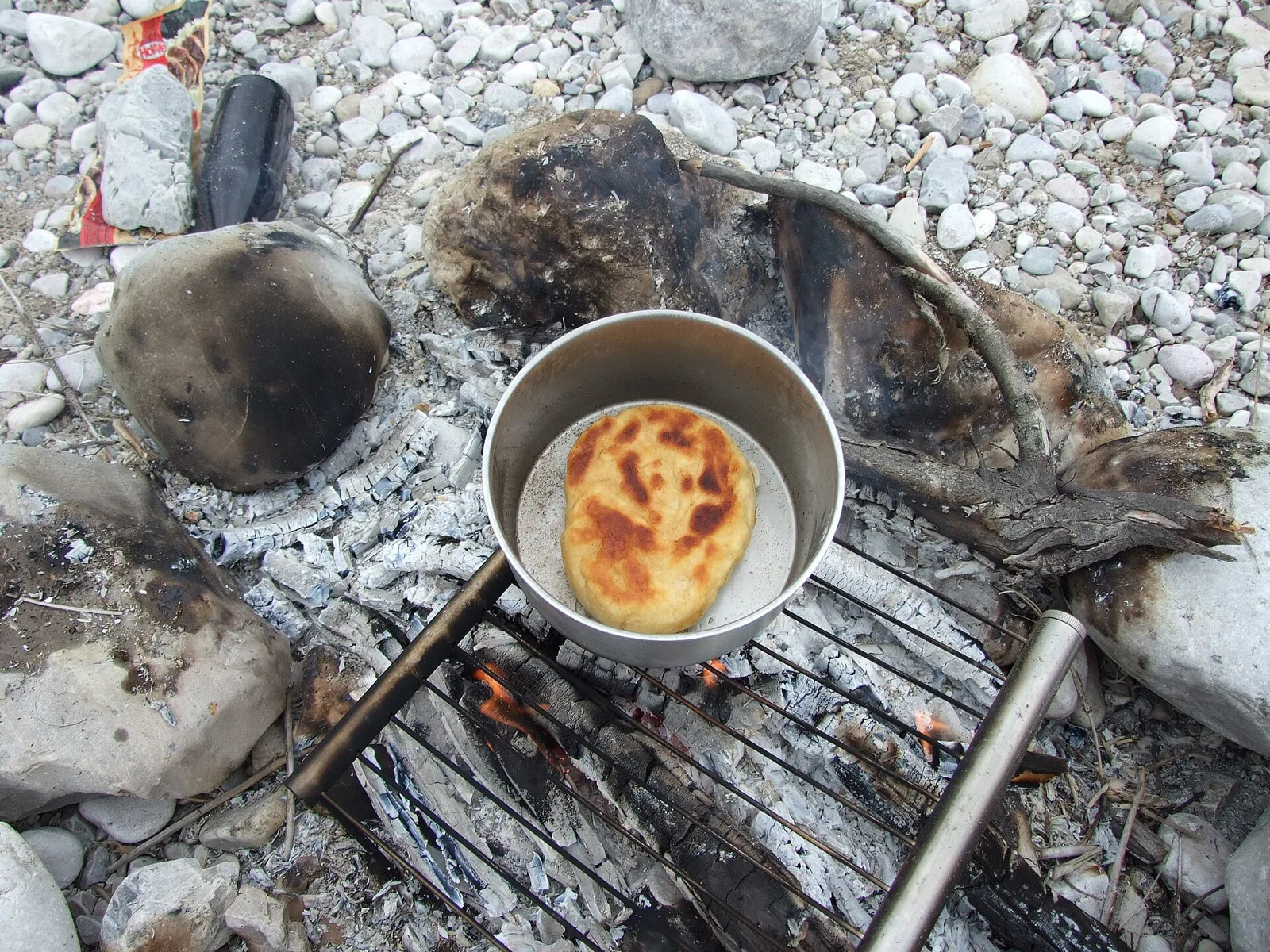
The dry mix is packed at home and the breads are fried in the pan while the soup pot sits simmering at the edge of the embers.
To the pan breadFloury potatoes, rinsed leek and a potato masher instead of a blender
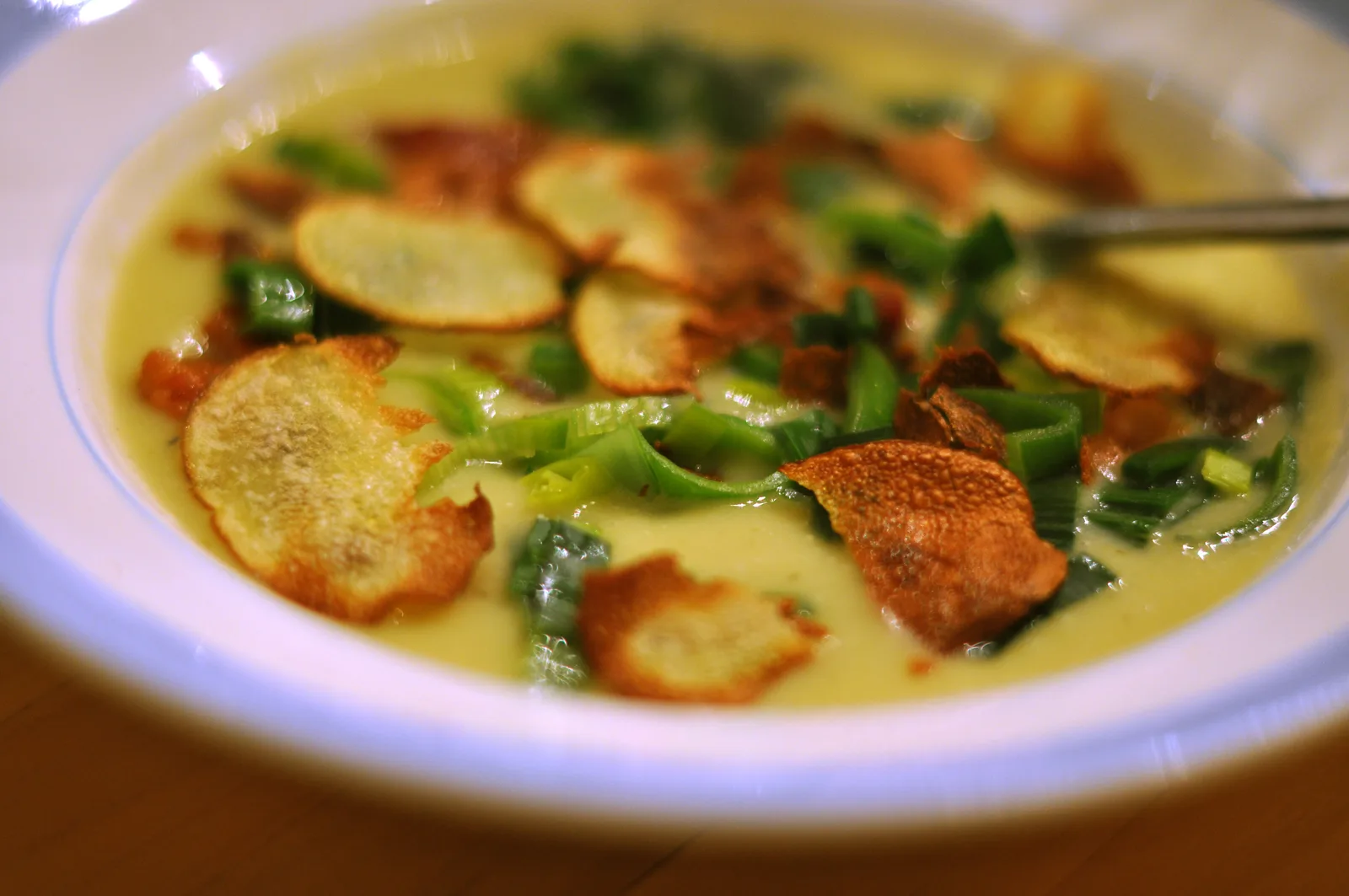
It is January and the fire pit sits on a point by the lake. Someone has brushed the snow off the bench, the first logs have stopped smoking and the pot is on the grate with the butter starting to sizzle. In go the leek rings, and the sweet smell of softening onion mixes with the smoke. The children have each been given a potato masher to look after.
Potato and leek soup is one of the most forgiving soups you can cook over a fire. It needs no unusual ingredients, it is happy to stand and wait, and it turns out smooth without electricity if you choose the right potatoes. It is vegetarian at heart, and anyone who wants meat can fry bacon or sausage in a pan alongside. Here is how to make it with most of the prep done at home and the fun part by the fire.
Have you made this recipe? Rate it
0.0 out of 5 · 0 votes
out of 5
vote
votes
Be the first to rate this recipe.
Thanks for your vote!
Your vote could not be saved right now. Please try again later.
 🔥 Over fire
 🔥 Over fire
 🔥 Over fire
 🔥 Over fire
At home. The most important job is done at the kitchen sink: the leeks. The soil sits between the layers, deep inside where you cannot see it, and it crunches between your teeth in a finished soup. Cut off the root and the tough, dark green top. Halve the leeks lengthways, rinse them under running water and fan through the layers with your thumb. Then slice them into half-moons. There is rarely running water at the fire pit, and melting snow for rinsing water takes both wood and time. Chop the onion at the same time and put everything in the same bag.
Sliced leek and onion can happily freeze in the rucksack. They are going to be cooked soft anyway, and frozen vegetables can go straight into the pot. The potatoes, on the other hand, must not freeze, as they turn soft and watery when they thaw. Take them whole and unpeeled, packed in the middle of the rucksack or wrapped in a wool jumper in the pulk, and peel and cut them by the fire. The cream also goes in the middle of the pack, in a small leakproof bottle.
Measure out the herbs and put the stock cubes in a small tub. Bring the water hot in a flask, a little more than a litre, so the pot comes to the boil much faster and there is a splash left over for thinning. If you are cooking the soup at winter camp and water is short, see melting snow for water.
By the fire. There you soften, boil, mash and season. It takes about 40 minutes once the fire has burnt down to embers.
Short trip? Make the whole soup at home, blend it smooth and take it in a preheated food flask. How to get the flask to keep the heat best is explained in cooking outdoors in winter. The fire is then only used for the bacon and the bread.
A floury potato has a lot of starch and almost dissolves when it is boiled. It mashes into a velvety soup with nothing more than a potato masher, and it thickens the soup so you do not need to add flour. A waxy potato keeps its shape and gives a thinner soup with chunks in it. Both are good to eat, but it is the floury kind that lets you manage without a blender outdoors.
If you blend at home, just run the stick blender until the leek is finely chopped. A lot of floury potato in a small amount of liquid can turn gluey if it is blended for a long time, and a thick soup is easier to thin than to rescue.
Potato soup also thickens as it cools, and you notice that in the cold. Soup that was just right in the pot can be like mash in the cup after five minutes at a windy fire pit. Serve smaller portions and top up, rather than letting a big portion go cold.
Mashing is the most dangerous step, because a potato masher pushed down into hot soup splashes. Lift the pot off first and stand it on a flat stone, not directly in the snow where it can sink and tilt as the snow melts underneath. An adult holds the handle with a fire glove, and the child mashes with slow presses and their sleeves pulled down over their hands.
Mashed potato soup is thick and holds its heat for a long time. Fill the children's cups halfway and let them eat sitting down. If someone gets burnt, cool the burn with cool water from a bottle, never with snow or ice, and for no longer than a quarter of an hour so the child does not get chilled. Seek medical care straight away if the burn is on the face, hands or feet, is larger than the child's palm with blisters, or if the child is one year old or younger, and call 1177 (the Swedish healthcare advice line) if you are unsure.
More about the fire itself is in fire safety in nature, and check that there is no fire ban where you are, see lighting fires outdoors.
Food that is being kept hot should stay above 60 degrees, as some bacteria can start to grow from around 50–55 degrees. So a potato soup that has gone lukewarm in the flask or in a pot by a fire that has gone out should be eaten straight away, or brought back to a proper boil. It does not get saved.
Leftovers can happily cool outdoors, because the cold does the job: a pot with more than half a litre of soup can cool outside when it is a few degrees above freezing or colder. Leave it with the lid on, and pour it into an airtight container for the fridge or freezer when you get home.
The soup contains milk in the butter and the cream. Swap to rapeseed oil and oat cream, and it becomes both dairy-free and vegan. Check the stock cubes too: many contain celery, which is one of the 14 allergens, and some contain milk or wheat. Croutons and bread usually contain gluten.
The leeks are a good job for children while you are still at home. Let them fan through the layers under the tap and look for soil – it becomes a little treasure hunt. By the fire they can snip chives with scissors straight over the bowls, scatter croutons and season with salt.
The mashing is the highlight. With a long-handled potato masher, even a younger child can mash the soup smooth, with the pot on the stone and an adult at the handle. An adult takes charge of the frying pan with the hot bacon. More ideas for what children can do at the fire in cooking with children over a fire.
Cut off the root and the dark green top, halve the leek lengthways and rinse it under running water while you fan through the layers. The soil usually sits furthest in, where the green turns to white. Do it at home, where there is running water.
No. With floury potatoes that have cooked really soft, a potato masher or a sturdy whisk is enough for a smooth, creamy soup. If you want it completely smooth, blend it at home and heat it by the fire or take it in a flask.
The white and the pale green part. The dark green top is tough and stringy, but it can be saved in the freezer and simmered into stock another day.
Almost. Vichyssoise is a French potato and leek soup that is sieved completely smooth and usually served cold, with chives on top. At a winter fire, it is the hot version that counts.
Yes, especially if it has been blended. Let it cool quickly and freeze it in portions. Soup with whole potato pieces can get a slightly different, more mealy texture after freezing, but it tastes the same.
Bread for dipping is the obvious choice. Bake a frying-pan bread in the pan while the soup simmers, and let the children finish off with warm apple juice in their cups.
More to cook at the winter fire
Bread to dip in the soup
The dry mix is packed at home and the breads are fried in the pan while the soup pot sits simmering at the edge of the embers.
To the pan breadThe sausage for the soup
Does anyone want meat in their bowl? Here is how to get the sausage pieces crisp in the pan alongside, while the soup itself stays vegetarian.
To the sausage pageA litre of water from the snow
If the soup is being cooked at winter camp, you need water. Here is how to melt snow in the pot without a burnt taste and without it taking all afternoon.
To melting snow