


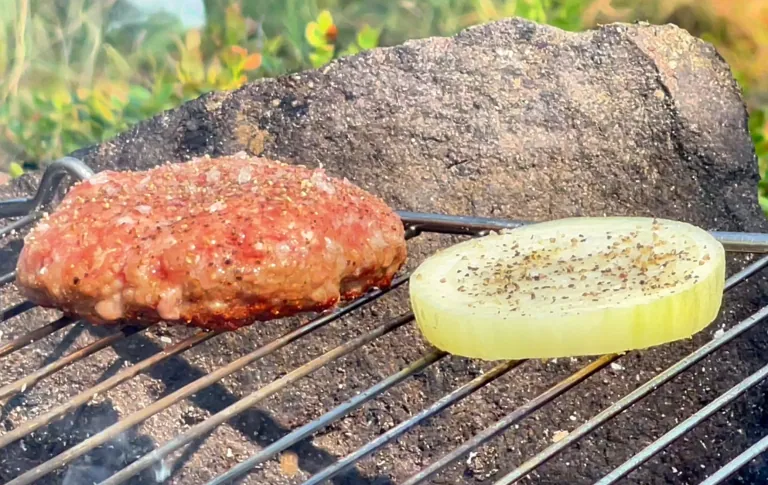





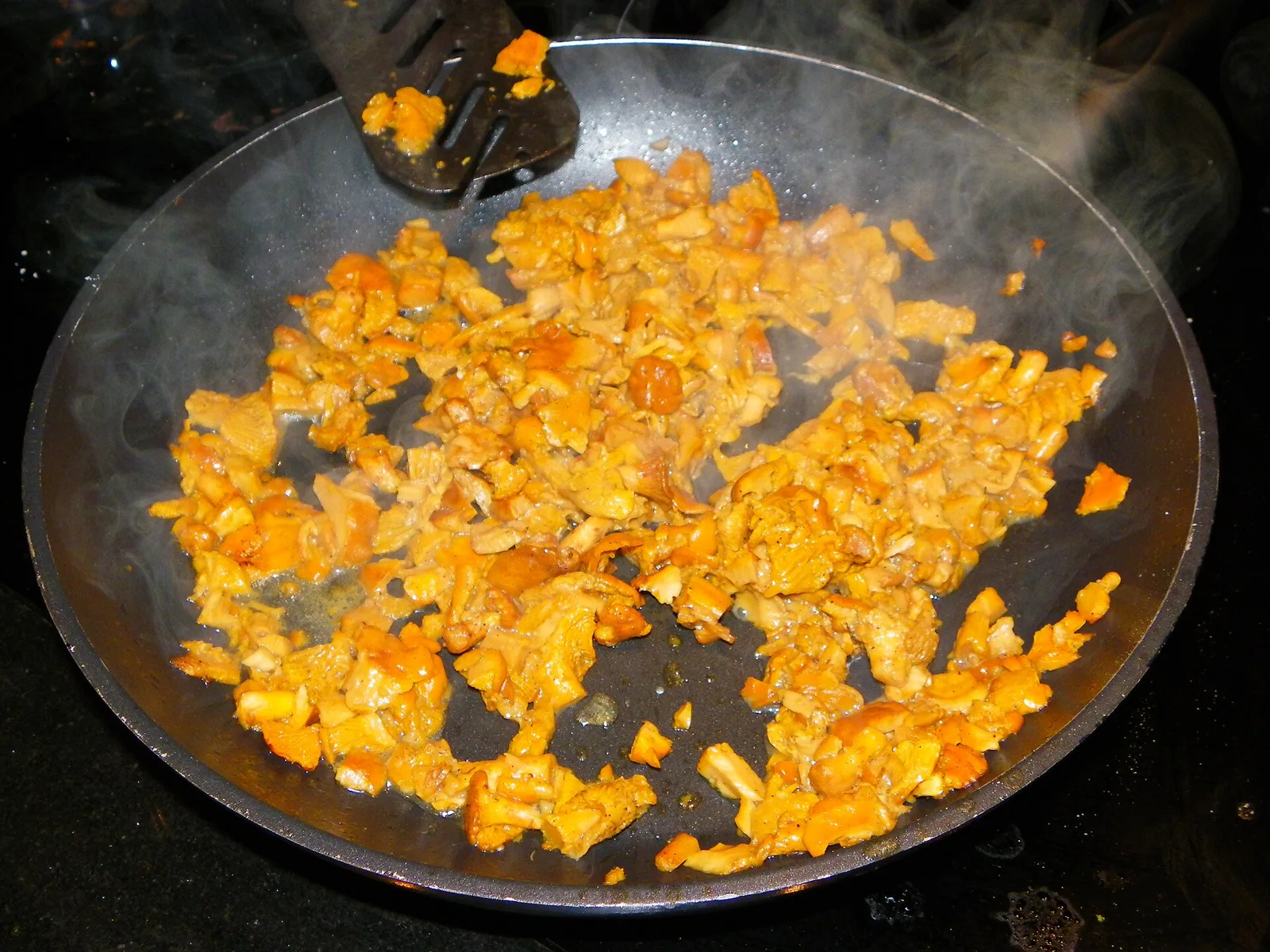

Kolbullar with lingonberries
Pork, batter and embers – the complete guide to northern Sweden's classic kolbulle.
To the kolbulle guideTwo ways: quick-cooked jam or raw-stirred lingonberries
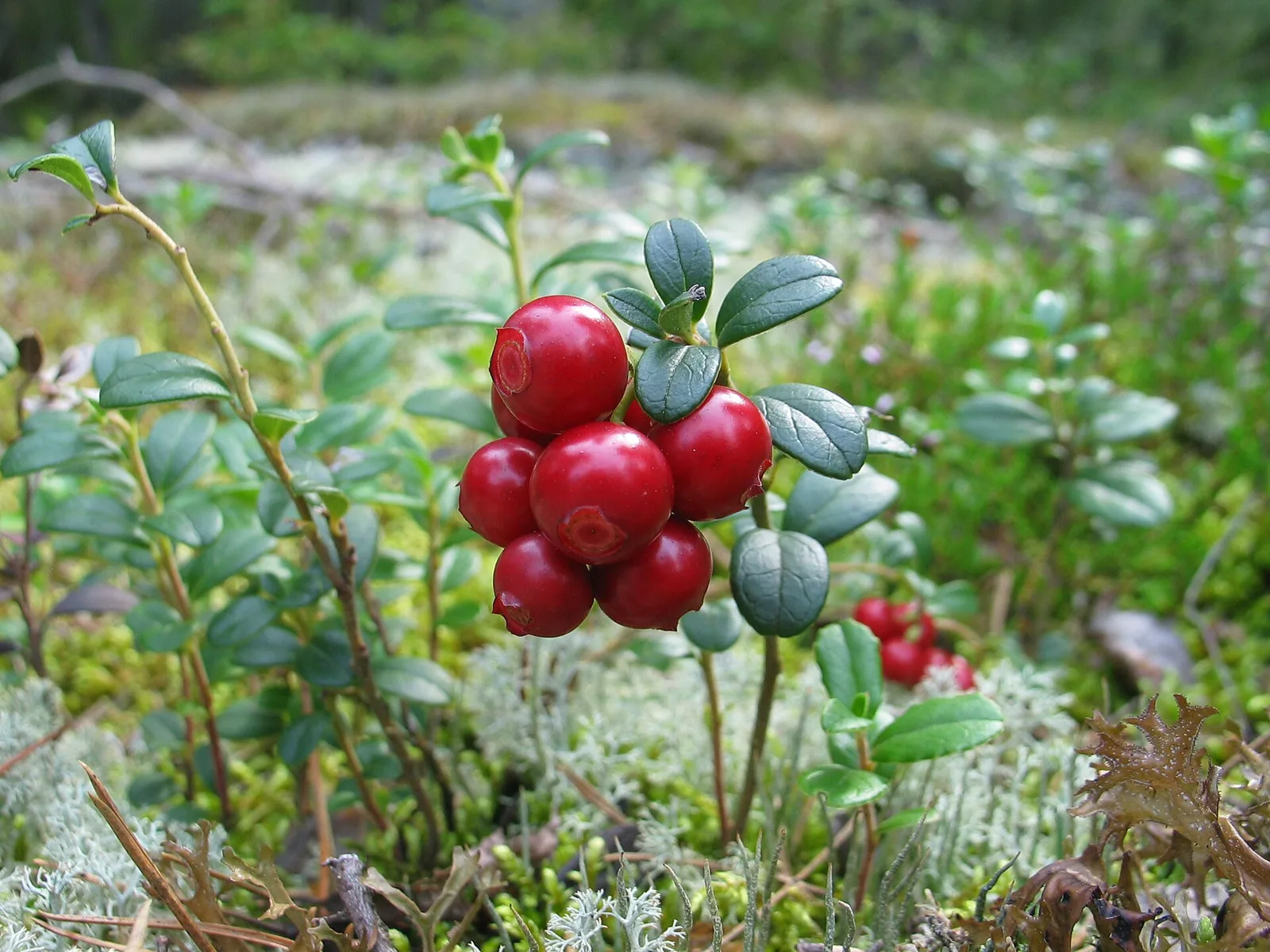
Homemade lingonberry jam is easy to make and tastier than shop-bought – and you can pick the lingonberries for free in the forest under the Swedish right of public access. Here are two ways: cooked lingonberry jam, which turns out a little softer and more jammy, and raw-stirred lingonberries, which keep their freshness and whole berries. Both keep for a long time, because lingonberries contain natural benzoic acid that protects against mould.
Lingonberries usually ripen from mid-August into September. They taste best when they are completely red all over. The jam goes with everything from kolbullar and meatballs to porridge and pancakes.
Lay a clean tea towel on a tray or chopping board and tilt it slightly. Pour the lingonberries in at the top and let them roll down – leaves, needles and unripe berries often stick to the towel. Pick out whatever is left and rinse the berries quickly in cold water.
Put the lingonberries and water in a saucepan and bring to the boil. Let it simmer for 5 minutes, stirring. Stir in the sugar and let it boil for another 2–3 minutes. Skim and pour the hot jam into clean jars. Screw on the lids straight away.
Put the lingonberries and sugar in a bowl. Stir with a wooden spoon at intervals for about half an hour, until the sugar has dissolved and the berries have released some juice. Fill clean jars and put them in the fridge.
Wash jars and lids thoroughly and rinse them with boiling water just before filling. Fill them to the brim and screw on the lid. Clean jars and hot jam make the jam keep longer.
Under the Swedish right of public access you may pick wild berries and mushrooms in the forest, even on someone else's land – but not in private gardens and not protected plants. Show consideration for animals and landowners and leave the place as you found it. Read more about what applies in our guide to the Right of Public Access.
Lingonberries often grow in pine forests and on dry, open clearings. Bring a small cup for the children and a bucket for the adults – children like to pick straight into their mouths, and lingonberries are completely harmless to taste.
Allow 200–300 ml of sugar per litre of lingonberries for cooked jam and 100–150 ml for raw-stirred lingonberries. Less sugar gives a fresher taste but a shorter shelf life.
Cooked lingonberry jam in clean jars keeps for several months in the fridge. Raw-stirred lingonberries also keep for a long time in the fridge thanks to the berries' natural benzoic acid. Always check that the jam smells and looks fresh.
No. Raw-stirred lingonberries are made with just berries and sugar and still keep well in the fridge, because lingonberries contain natural benzoic acid.
Yes. Let the berries partly thaw and follow the same recipe. Frozen lingonberries release more juice, so cooked jam may need to boil for a minute longer.
Lingonberries usually ripen from mid-August and are picked well into September, sometimes even later in northern Sweden.
Take the jam outdoors! It is a must with pancakes and kolbullar, goes well with wilderness stew with sautéed reindeer and is perfect in the packed lunch – you will find more ideas among our breakfast recipes by the fire.
Lingonberries go with almost everything
Kolbullar with lingonberries
Pork, batter and embers – the complete guide to northern Sweden's classic kolbulle.
To the kolbulle guideThe right of public access – what applies?
Where you may pick berries and mushrooms, light fires and camp – and what to keep in mind.
Read about the right of public accessBreakfast by the morning fire
Porridge, pancakes and hot drinks – recipes that get the day in the forest off to the right start.
See the breakfast recipes