Photo: David Leggett, Wikimedia Commons (CC BY 2.0)
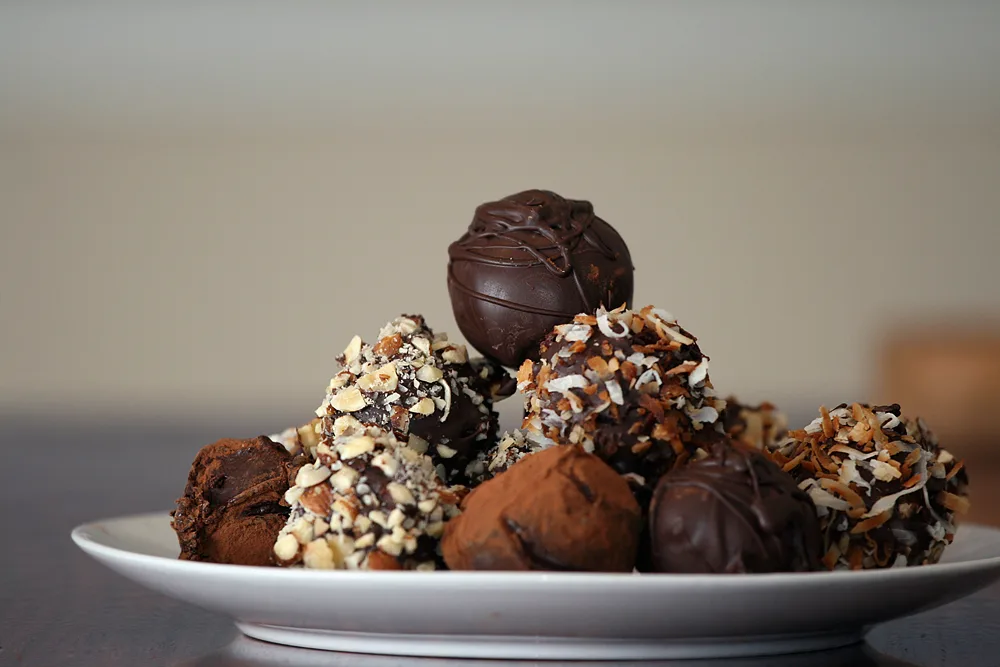
Chocolate truffles are the Christmas sweet that almost can't go wrong: hot cream is poured over chopped chocolate, the mixture is chilled until firm, and then you roll little balls and give them a coat of cocoa, coconut or crushed gingersnaps. No thermometer and no boiling sugar needed – that's why truffles are one of the best Christmas sweets to make with kids.
The only thing that decides whether the truffles can be rolled is the ratio. Two parts dark chocolate to one part cream, by weight, gives a ganache that is firm but soft in the fridge. With milk chocolate you need more chocolate. With too much cream it turns sticky, with too little it turns hard and crumbly. A grown-up handles the hot part, then the kids take over.
Method
1
Chop the chocolate finely and put it in the bowl. The smaller the pieces, the more evenly it melts.
2
Grown-up: heat the cream in the saucepan until small bubbles form around the edge. It shouldn't boil for long.
3
Grown-up: pour the cream over the chocolate and leave the bowl untouched for a minute so the chocolate has time to melt.
4
Stir slowly with the spatula in small circles from the middle outwards until the mixture is glossy and smooth.
5
Stir in the butter and salt. The mixture is now ganache.
6
Cover the bowl and put it in the fridge for two to three hours, or overnight, until it's as firm as cold cookie dough.
7
Take the ganache out ten minutes before you start rolling, so it's easier to shape.
8
Take a teaspoon of ganache at a time and roll it into a ball between your palms. Rinse your hands in cold water and dry them every now and then.
9
Put the balls on baking paper and chill them for a quarter of an hour so they firm up again.
10
Roll each ball in a coating, or dip it in melted chocolate with a fork and let the excess drip off. Melt the chocolate in a bain-marie or in the microwave a few seconds at a time, stirring in between.
11
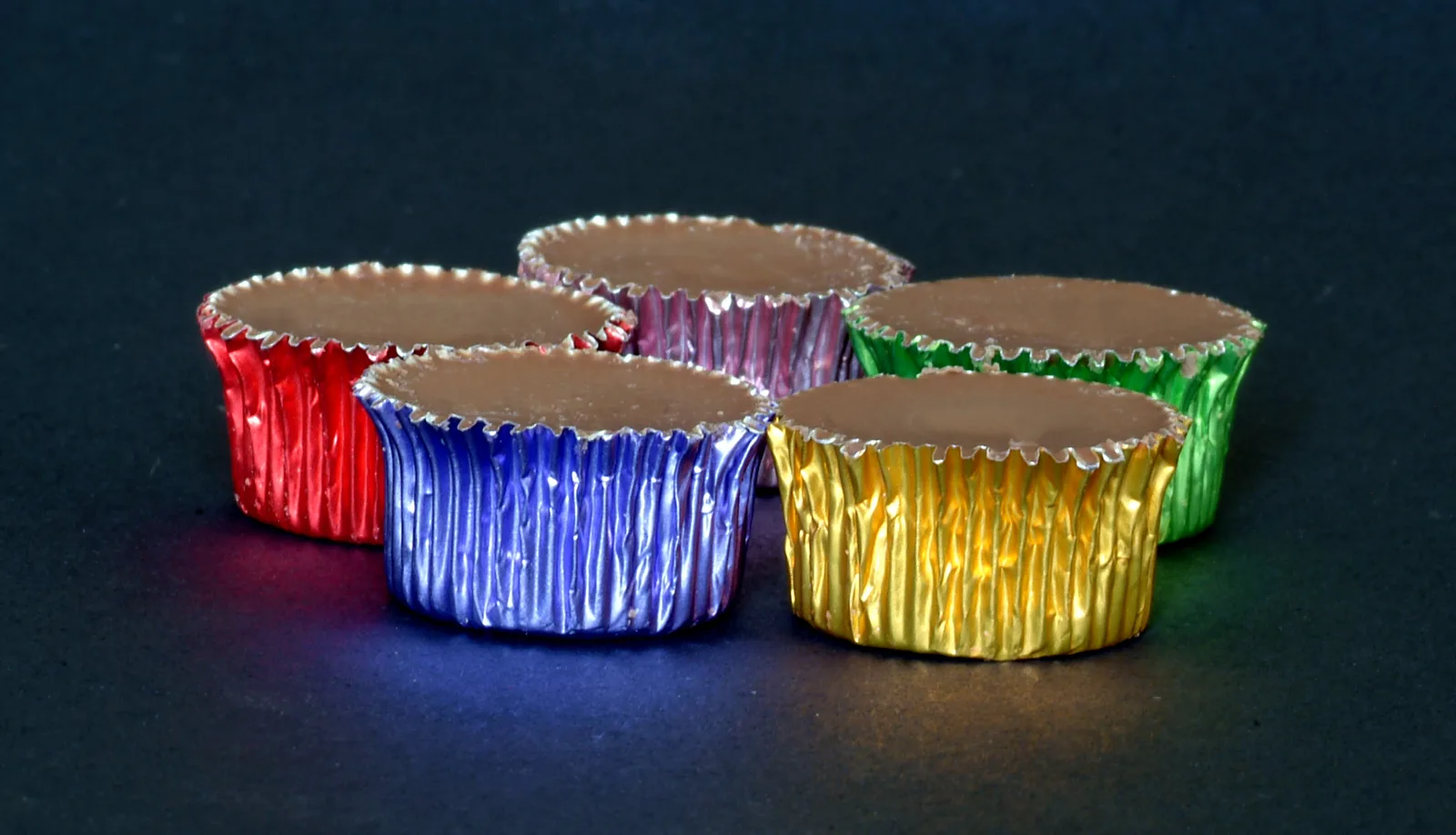
Put the truffles in paper cases and store them in an airtight jar in the fridge.
Have you made this recipe? Rate it
0.0 out of 5 · 0 votes
out of 5
vote
votes
Be the first to rate this recipe.
Thanks for your vote!
Your vote could not be saved right now. Please try again later.
Ice chocolate – Christmas sweets made with chocolate and coconut oil
🍽️ about 30 pieces🥕 8 ingredients👣 11 steps
Marängsviss – classic Swedish meringue dessert with ice cream & berries
🍽️ 4 servings🥕 5 ingredients👣 6 steps
Carrot cake – moist classic with smooth cream cheese frosting
🍽️ approx. 10–12 pieces🥕 14 ingredients👣 12 steps
Recipe - Chocolate chip cookies
🥕 11 ingredients👣 12 steps
The ratio – why the truffles can be rolled
Ganache is a mixture of fat from the chocolate and liquid from the cream. The more chocolate, the firmer it gets as it cools. Go by weight and not by decilitres, since it's the chocolate that decides.
Dark chocolate: 2 parts chocolate to 1 part cream, so 200 g to 1 dl cream.
Half dark and half milk chocolate: 2.5 parts to 1, so 250 g to 1 dl cream, as in the recipe above.
Milk chocolate: 3 parts to 1, so 300 g to 1 dl cream.
White chocolate: 3 to 3.5 parts to 1, so 300–350 g to 1 dl cream.
Milk chocolate and white chocolate contain less cocoa and more sugar and milk, so the ganache is softer and you need more chocolate. Chocolates vary, so treat the ratios as a starting point. If the ganache still turned out too soft to roll, melt in another 30–50 grams of chocolate. If it's too hard, leave it at room temperature for a while.
When the ganache splits – and how to rescue it
Split ganache looks grainy or oily, with a greasy film on top. The fat and the liquid have separated. It usually happens when:
the cream has boiled for a long time and is too hot,
the mixture is stirred too hard while it's at its hottest,
there's too much fat, for example extra butter or a chocolate with a lot of cocoa butter,
something cold is stirred in too quickly, such as cold cream or flavouring straight from the fridge.
It can almost always be rescued. Start with the simplest:
Lukewarm cream: stir in one to two teaspoons of lukewarm cream or milk and stir calmly from the middle. Repeat until the mixture is glossy again.
Stick blender: hold the blender at the bottom of the bowl so no air gets into the mixture, and blend for a minute or so.
Bain-marie: if the mixture is cold and grainy, warm it gently over a pan of simmering water and stir slowly until it comes together.
Chocolate that instead turns thick and lumpy as it melts has usually had a drop of water or steam get into it. Stir in a little more warm cream and it will be smooth again.
Coatings to roll in
The coating doesn't just make the truffle prettier – it also makes it easier to hold without it melting in your hand.
Cocoa: the classic truffle. It's worth sifting the cocoa so there are no lumps.
Coconut: mild and sweet, and usually the kids' favourite.
Gingersnap crumbs: put a few gingerbread biscuits in a plastic bag and crush them with a rolling pin.
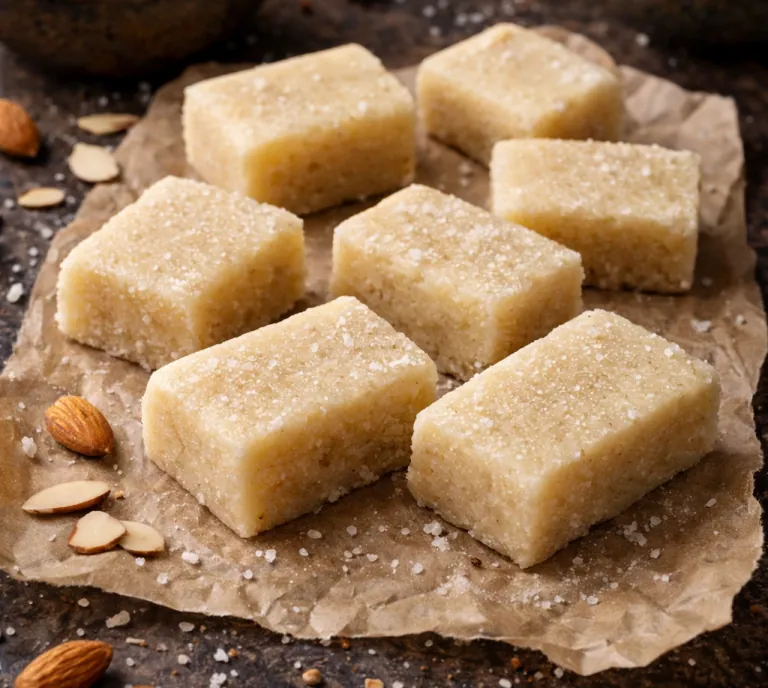
Nuts or almonds: chop them very finely. If you have almonds left over, they can become almond paste for Christmas marzipan.
Melted chocolate: dip the ball with a fork, let the excess drip off and scatter over sprinkles before the chocolate sets.
Vary the chocolate truffles
The basic recipe is alcohol-free and uses a mild chocolate, so everyone at the table can eat them. Flavour the cream before it's poured over the chocolate.
Orange: grate the zest of a washed orange into the cream, heat it and leave it to infuse for ten minutes. Heat it again and pour it through a sieve over the chocolate.
Mint: let a handful of fresh mint infuse in the hot cream for a quarter of an hour and strain it. A couple of drops of peppermint flavouring work too. Roll in cocoa.
Gingerbread: heat 1 tsp gingerbread spice with the cream and roll the truffles in gingersnap crumbs.
Dairy-free: use dark chocolate without milk, swap the cream for the thick part of coconut milk or for whippable oat cream, and swap the butter for coconut oil. With oat cream the ganache is softer, so use 20–30 grams more chocolate. Dark chocolate can contain traces of milk even when the packaging doesn't say so, so ask first if the truffles will be eaten by someone with a severe milk allergy.
White chocolate: 300–350 g white chocolate to 1 dl cream, rolled in coconut – like snowballs.
The basic recipe contains no nuts. But chocolate, cocoa and sprinkles are often made where nuts are also handled, and the packaging may say they can contain traces of nuts. For someone who is allergic, even traces can cause a reaction.
Read the packaging on everything: chocolate, cocoa, sprinkles, gingersnaps and coconut. Choose products without nuts in the ingredients and without a 'may contain' warning if the truffles will be eaten by someone with a nut allergy. Be extra careful with chocolate, where high levels of hazelnut and peanut have been found.
Make the nut-free ones first, with clean bowls, spoons and hands, and put them in a jar of their own.
Keep each coating in its own bowl with its own spoon, so nut crumbs don't end up in the coconut.
Always ask the person with the allergy, or the child's parents, what's OK – including when it comes to coconut and almonds.
Write on the jar if the truffles contain nuts, almonds or milk.
If someone has difficulty breathing or feels faint after eating, call 112. If the person has an adrenaline auto-injector, it should be used first.
🧒
Chocolate truffles with kids
The cream is hot and the freshly made ganache is warm, so a grown-up does that part. Everything after chilling the kids can do themselves. Wash your hands thoroughly before you start, especially if the truffles are going to be given away.
Ages 2–4: crush the gingersnaps in the bag with the rolling pin, roll ready-made balls in sprinkles or coconut and put them in the cases.
Ages 5–8: roll the balls themselves, choose coatings and draw labels for the jars. Cold hands make it easier – let them rinse their hands in cold water now and then.
Ages 9 and up: weigh the chocolate, chop it with a grown-up beside them, grate orange zest and dip the balls in melted chocolate that has cooled a little.
Make the truffles small, about a teaspoon each. Small children can choke on whole nuts and peanuts, and the same goes for coarse pieces of nut. Give the youngest truffles without nuts, or roll theirs in ground almonds or nut flour. If you want to make more Christmas sweets the same weekend, make knäck toffee – a grown-up looks after the saucepan while the kids roll truffles.
How long do chocolate truffles keep?
Truffles made with fresh cream should be kept in the fridge.
In the fridge: in an airtight jar, eat them within about a week. Truffles dipped in chocolate stay fresh the longest. Rolled in cocoa, coconut or crumbs, they're best in the first few days, after which the surface turns damp – it's worth rolling them once more before serving.
In the freezer: freeze the ganache or the uncoated balls in an airtight container for one to two months. Let them thaw in the fridge with the lid on, so no condensation forms, and then roll them in the coating. Don't freeze dipped truffles – the chocolate shell can crack and get a grey bloom.
Serving: take the truffles out a quarter of an hour beforehand, so they soften and taste of more.
Truffles as a Christmas present
A jar of truffles the kids have rolled themselves is a christmas present that covers the teacher, grandma and the neighbour. Put the truffles in paper cases, with baking paper between the layers, and tie a ribbon round the jar. Write a label saying what they contain and that they should be kept in the fridge and eaten within a week.
Make them a few days before you give them away, so they're as fresh as possible. If they need to come along to lucia or a christmas market, put the jar in a cool bag. The rolling can also be a door of its own in the Advent calendar you make yourselves, on an evening when it's raining outside, and the truffles look lovely next to the gingerbread house on the Christmas table. There are more ideas for December in the Christmas guide.
⚠️
Common mistakes
Too much cream – the ganache is too soft to roll. Follow the weights in the list above.
The cream has boiled for a long time – the ganache splits more easily. Take it off the heat when it bubbles at the edge.
Too short a time in the fridge – the balls stick. Let the ganache set completely.
Warm hands – the truffles melt. Rinse your hands in cold water and work with a small batch at a time.
The truffles are left out too long – the cream means they should be kept in the fridge.
Frequently asked questions
How much cream should there be in truffles?
For truffles that can be rolled: twice as much dark chocolate as cream by weight, so 200 g chocolate to 1 dl cream. Half dark and half milk chocolate needs 250 g, milk chocolate 300 g and white chocolate 300–350 g to the same amount of cream.
Why does ganache split?
Usually because the cream is too hot, because the mixture is stirred too hard while it's warm, or because there's too much fat. Stir in a teaspoon of lukewarm cream at a time, or blend with a stick blender, and it will come together again.
How long do homemade chocolate truffles keep?
About a week in an airtight jar in the fridge, but those rolled in cocoa or coconut are best in the first few days. In the freezer, the ganache and the uncoated balls keep for one to two months.
Can you make truffles without cream?
Yes. Coconut cream or whippable oat cream works, and with dark chocolate without milk the truffles are dairy-free. Oat cream gives a softer ganache, so use a little more chocolate. For a severe milk allergy, remember that dark chocolate can contain traces of milk.
Can small children eat chocolate truffles?
Yes, in small pieces and without whole nuts or coarse pieces of nut, which small children can choke on. Dark chocolate tastes bitter to many children, so a mix with milk chocolate usually works better.
We would like to use Google Analytics to see which pages are read, so that we can make the site better. It sets cookies with Google. We do not use any advertising cookies.
Accept and Decline only apply to statistics – the site works just as well whatever you choose. More in our cookie policy.