


Grill, embers and a cool side
How high the grill should sit, the hand test with seconds and how to divide the bed of embers so the fruit has a cooler place to move to.
To the grill guideGolden stripes, hot juice and a dollop of cold quark from the cool box
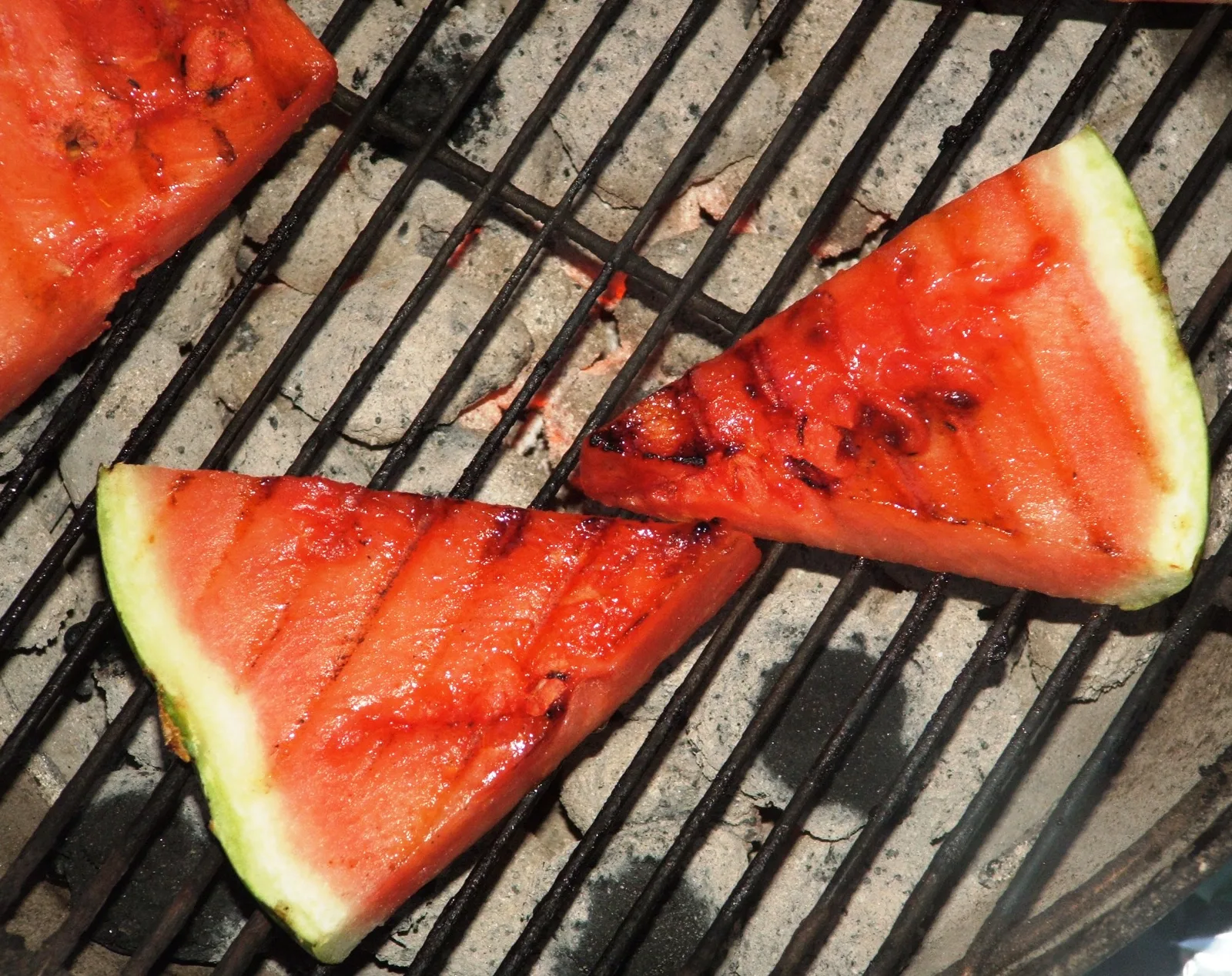
The sausages have been eaten, the grill is still warm and the embers have settled into an even grey bed with an orange glow underneath. That's when the tub of fruit comes out. Pineapple rings, peach halves and triangles of watermelon are laid out in a row, there's a sizzle as the juice drips, and after a few minutes every piece has dark stripes and smells of caramel.
Grilled fruit is one of the simplest things you can cook over a fire, but it's less forgiving than you'd think. Fruit is mostly water and sugar. The water keeps the piece scalding hot inside long after the surface has stopped sizzling, and the sugar takes the surface from golden to black in half a minute. This page is about choosing the right fruit, giving it the right heat and adding the sweet stuff at the right moment.
Do this instead:
Livsmedelsverket (the Swedish Food Agency) advises that grilled food should be golden brown rather than dark brown and burnt, and that applies to fruit as much as to meat. Cut off any black spot, and the rest of the piece is fine to eat.
Have you made this recipe? Rate it
0.0 out of 5 · 0 votes
out of 5
vote
votes
Be the first to rate this recipe.
Thanks for your vote!
Your vote could not be saved right now. Please try again later.
 🔥 Over fire
 🔥 Over fire
 🔥 Over fire
 🔥 Over fire
Three words are all it takes for grilled fruit to turn out well.
How to divide the bed of embers into a hot side and a cooler side, and how to feel the heat with your hand, is explained in grills and fish baskets over a fire.
What decides it is how much structure the flesh keeps when it's heated.
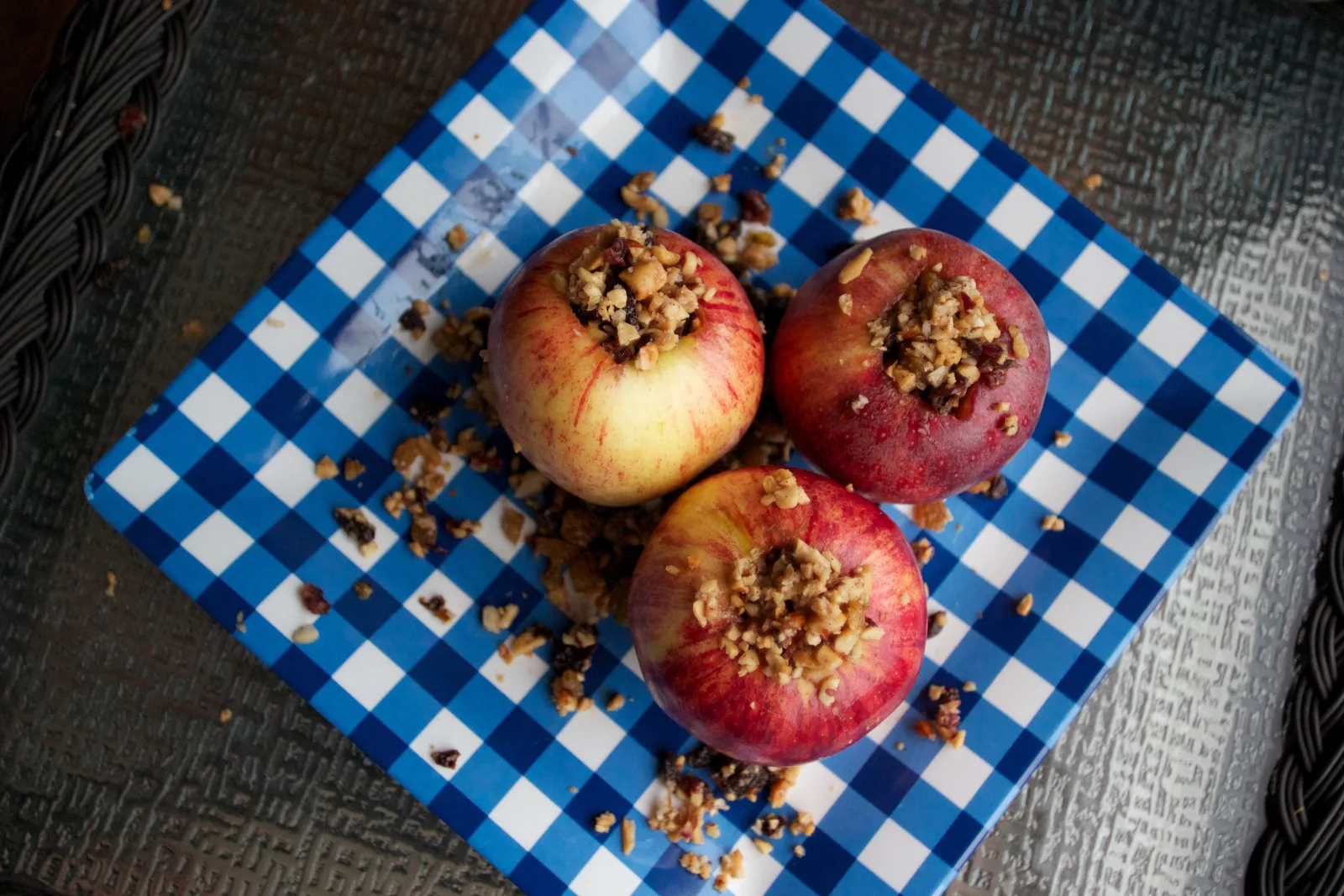
Banana is best grilled in its own skin with chocolate in the slit – it has its own recipe, banana in foil with chocolate and cinnamon. Whole stuffed apples belong in apples baked in the embers.
Press gently with your thumb near the stalk.
A pineapple that smells sweet at the base and where an inner leaf in the crown comes away when you pull it is usually just ripe enough.
The times are approximate and apply to medium heat, that is when you can hold your hand about a hand's width above the grill for five to seven seconds. Embers, wind and thickness change the time more than which fruit it is, so watch the fruit and not the clock.
Fruit already has sugar in it. That's why it gets its dark stripes so quickly, and why it burns just as quickly. If you also add honey or brown sugar from the start, it drips into the embers, flares up and leaves a bitter black film on the fruit before it has had time to warm through.
At home. Peel and cut the pineapple, halve the apples and pears and put them in a tub with a lid. A splash of lemon or lime over the apples and pears stops them going brown. Peaches and plums are best halved by the fire, as the cut surface goes soft and brown in the tub. Rinse and dry the watermelon rind before cutting it, otherwise whatever is on the rind follows the knife into the flesh. Put the cut melon in the cool box and leave it there until it goes on the grill.
The cool box. Quark, yoghurt and ice cream are chilled foods. Pack them in a cool box with ice packs, keep the box in the shade and don't leave them out for more than two hours in summer heat, and never in the sun. Ice cream only lasts a short while even in a good cool box, so plan to eat it first, or choose quark, which doesn't melt but also needs to be kept cold. There's more about the cool box in the guide to washing up outdoors.
By the fire. Grill the fruit after the meal, when the grill is already hot. Scrape off sausage fat and leftovers before the fruit goes on, otherwise the pineapple tastes of barbecued sausage. If you're lighting a new fire for the fruit, wait until the flames have gone – it's quicker with the right wood, see lighting a fire.
A grill suits large pieces: pineapple slices, peach halves, pear halves and melon triangles. They sit steadily and get clear stripes. A fish basket is even better for delicate fruit, because you turn all the pieces at once.
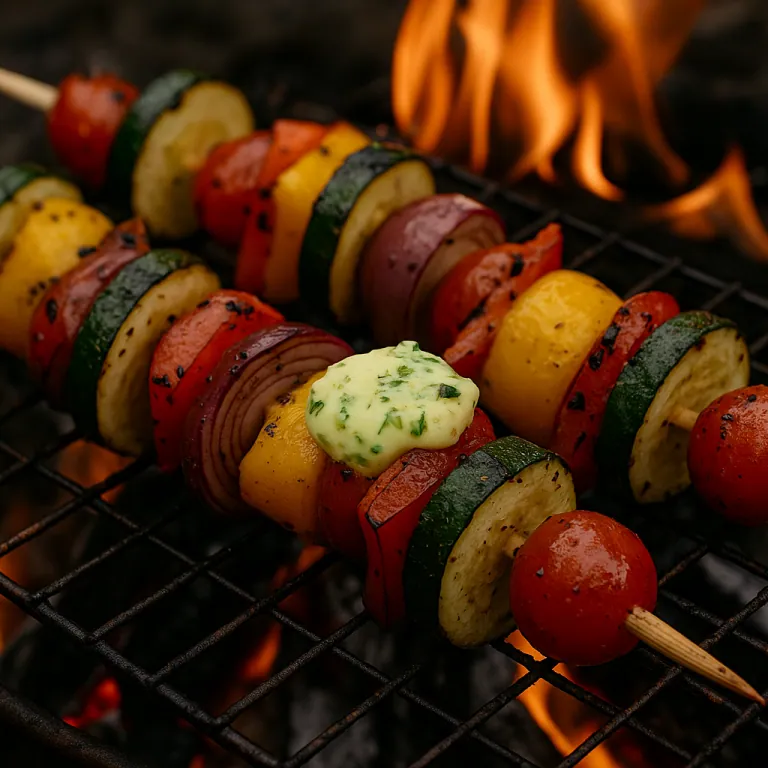
Skewers suit smaller pieces, about three centimetres in size, and make it easier for the children to have their own portion. Only put firm fruit together on the same skewer – pineapple, apple and pear – and grill delicate fruit separately, otherwise the plum is mush by the time the pineapple is done. Wooden skewers should soak in water for at least half an hour so the ends don't burn off. If you have no skewers, the children can whittle their own roasting sticks from fresh sticks you've cut at home, see whittling a roasting stick and a tripod.
With no grill at all, you can put the fruit on a hot griddle pan or in a dry cast-iron frying pan. You won't get stripes, but the sugar caramelises just as nicely.
Foil on the grill can seem clever, so nothing sticks and nothing falls through. But fruit counts as acidic food, and Livsmedelsverket advises against cooking or storing acidic food in contact with aluminium foil, because aluminium can then leach into the food. This applies even more when the foil is also lying against a grill made of a different metal and the juice is sizzling around it.
How to fold the parcels and where to place them in the embers is explained in foil parcels in the embers.
Grilled fruit looks harmless, but it's among the hottest things that come off the grill. The flesh is almost nothing but water and sugar, and it holds its heat long after the surface has stopped sizzling. The juice in a pineapple slice or a peach half can be scalding while the surface just feels warm, and melted sugar sticks to skin and lips.
If someone burns themselves: cool with cool water for about a quarter of an hour, no longer, and never with ice or snow. Seek medical care if the blisters are larger than the injured person's own hand, and always for children aged 12 months or younger.
Only light fires where it's allowed. If there's a fire ban, the decision of the county administrative board (länsstyrelsen) or the municipality applies, see lighting fires outdoors. More about fire sites and putting fires out is in fire safety in nature.
Honey: don't give honey to children under one year old – use brown sugar or no sweetener at all.
Allergens: nuts for serving, milk in the quark and ice cream. Toasted sunflower seeds work as a nut-free crunch.
Fruit is the perfect first job at the grill. Children can cut soft fruit with a blunt knife, thread their own skewers and decide which order the pieces go in.
Make blowing and waiting a rule. The piece goes on the plate, the child blows three times and counts to thirty, and only when the piece can be held between two fingers can it go in their mouth. An older child can be in charge of the clock and say when it's time to turn, and a child with tongs and a fire glove can turn pineapple slices with an adult beside them. The adults take care of the metal skewers and the grill itself.
More ways to let children of different ages help are in cooking with children over a fire.
More sweet things by the fire are in snacks and treats.
Pineapple, firm apples and firm pears hold their shape best and can take being turned. Peaches, nectarines and watermelon work well too if they're firm. Plums and ripe pears go soft quickly and should be grilled last and briefly.
About 3–4 minutes per side for pineapple and apple slices, 4–5 minutes cut side down for peaches and pears, 2–3 minutes for plums and 1–2 minutes per side for watermelon. The times are approximate. The fruit is done when it has golden stripes and a knife goes in easily.
Fruit contains a lot of sugar, which caramelises quickly and then burns. Grill over medium heat without flames, and hold off on honey and sugar until the last minute.
Livsmedelsverket advises against cooking acidic food, such as fruit, in contact with aluminium foil. Grill the fruit directly on the grill, or put baking paper innermost if you make a parcel.
Yes, put them in water for at least half an hour. Then the ends don't burn off, and the skewers hold until the fruit is done.
Pack it last, in an insulated bag with freezer blocks in the cool box, and keep the box in the shade. Ice cream only lasts a short while outside on a hot day, so eat it first. Quark and yoghurt don't melt, but they should also stay in the cool box and mustn't be left out for more than two hours in summer heat.
More sweet and grilled treats by the fire
Grill, embers and a cool side
How high the grill should sit, the hand test with seconds and how to divide the bed of embers so the fruit has a cooler place to move to.
To the grill guideDip the fruit in chocolate
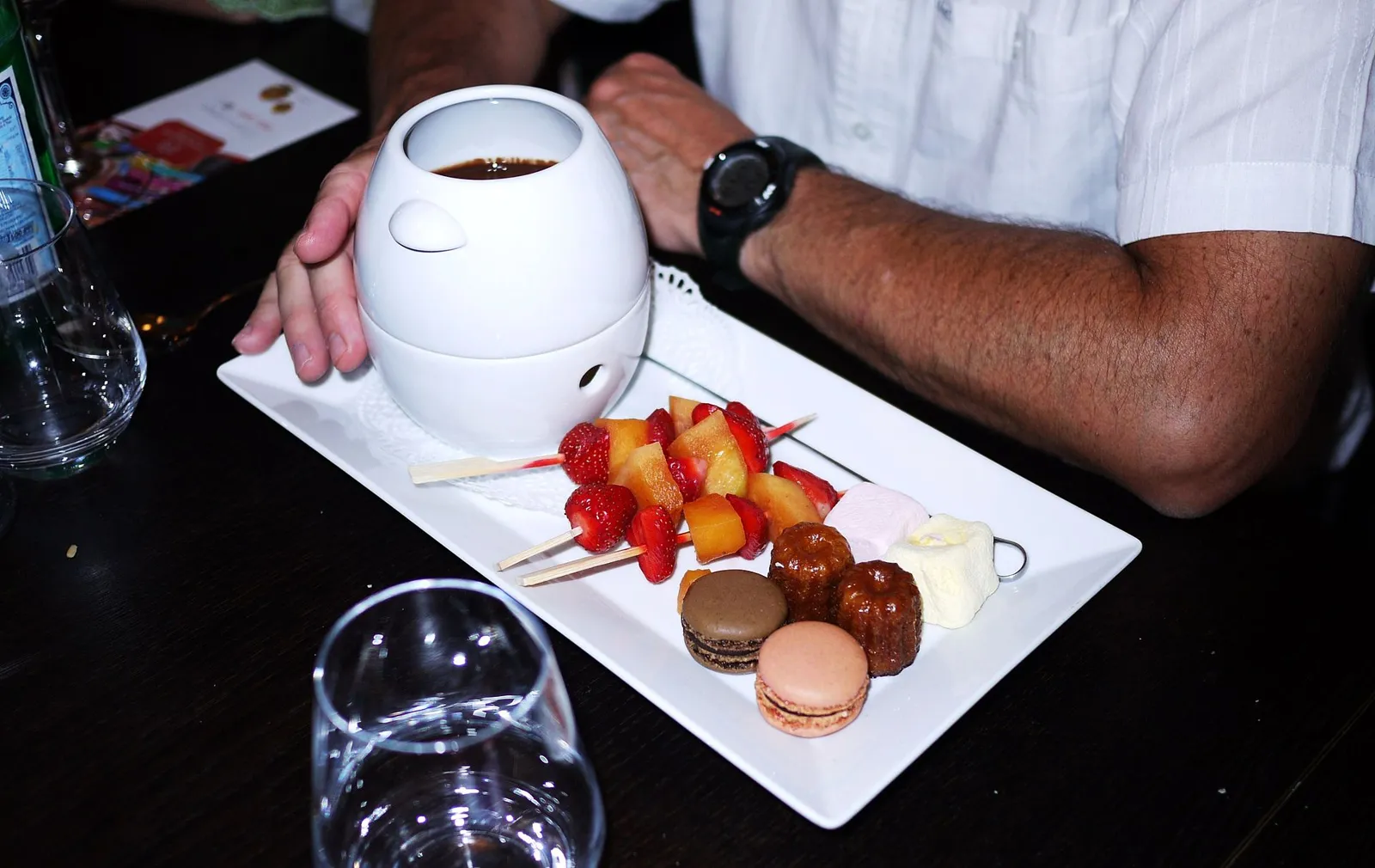
Melt chocolate in a saucepan on the grill and dip grilled pineapple and peach in it – a pudding that's enough for the whole group.
To the chocolate fondueBanana in the embers
Banana is best grilled in its own skin with chocolate in the slit. One parcel per child, lying in the embers while the rest of the fruit is grilled.
To the banana