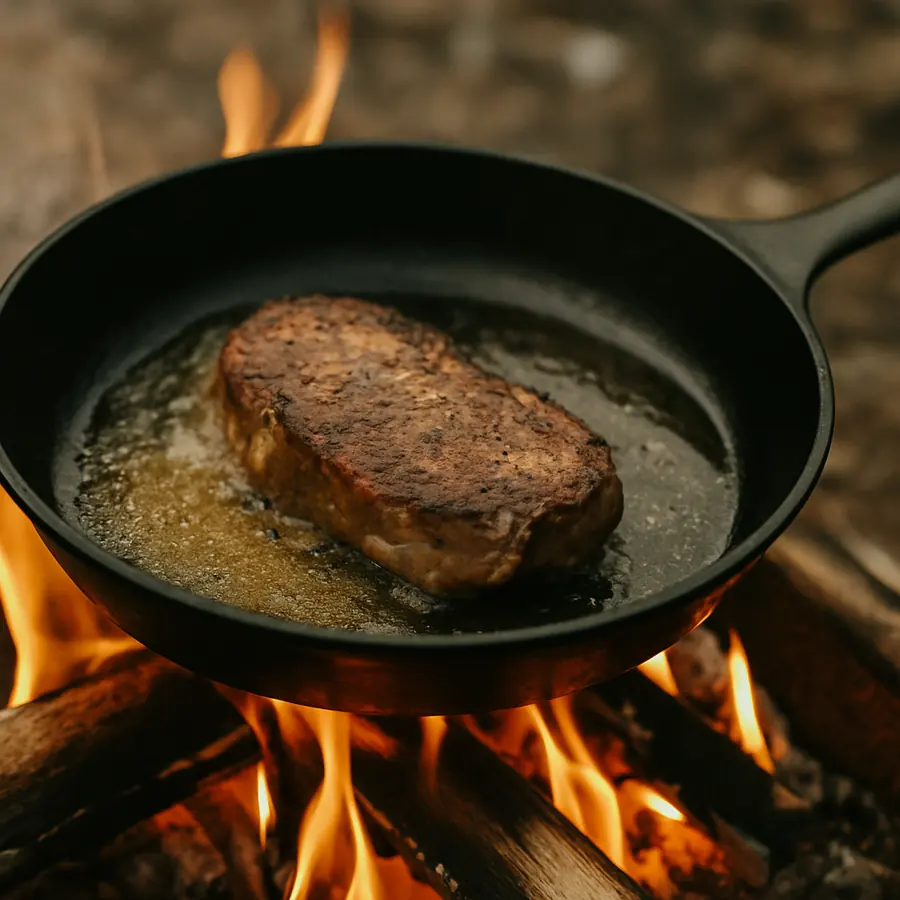
Cooking over an open fire is one of the most fundamental, yet most misunderstood, parts of outdoor life. For some, it's about romance and atmosphere. For others, about survival and function. In practice, it's a combination of technique, safety, ingredient knowledge and planning.
This guide is built to be a complete reference for anyone who wants to understand how to cook over an open fire – whether you're a beginner, a parent with kids in the woods, or an experienced outdoor person wanting to deepen your knowledge.
We cover:
- Fire types
- Gear
- Safety
- Techniques
- Common mistakes
- A kid's perspective
- Nutritional aspects
- Historical background
Why cook over an open fire?
Cooking over an open fire isn't just a method – it's a skill. Fire gives you:
- Independence from electricity and gas
- The ability to cook in remote settings
- Deeper flavor through embers and smoke
- A gathering point and sense of togetherness
Historically, fire has been central to Swedish outdoor culture, which we explore further in Swedish outdoor food and history.
But in modern times there are other values too:
- Kids learn respect for nature
- You understand heat, materials and ingredients
- You build practical skills
There's a difference between grilling at home and cooking over an open fire in the woods. Outdoors, you're responsible for both safety and environmental impact.

Different ways to cook over fire
Not all fires are the same. The method you choose determines the result.
Bed of embers
Best for:
- Pan frying
- Cast iron
- Stable heat
Here you let the wood burn down to embers before cooking. It gives even heat and reduces the risk of burning the food.
Open flame
Best for:
- Quick heating
- Boiling water
Not ideal for longer cooking since the temperature is hard to control.
Hanging pot
- Good for soups and stews
- Requires a tripod or a hanging rig
- Adjustable height gives temperature control
Cooking pit
An older technique where heated stones are used underground. Slow cooking, often for larger quantities.
Choice of technique also affects which equipment is suitable, which we go through on Equipment for fire cooking.

Equipment that makes a difference
You need less than you think – but the right things.
Basic equipment:
- Cast iron pan
- A fireproof pot
- A sturdy knife
- Cutting board
- Fire tools
- Water for extinguishing
Extra equipment:
- Tripod
- Grill grate
- Ferro rod
- Folding saw
Choice of materials matters. Cast iron retains heat better than thin aluminum. Long handles reduce the risk of burns.
A full rundown can be found at Equipment for fire cooking.

Safety and rules outdoors
Cooking over an open fire requires responsibility.
You must always:
- Check for fire bans
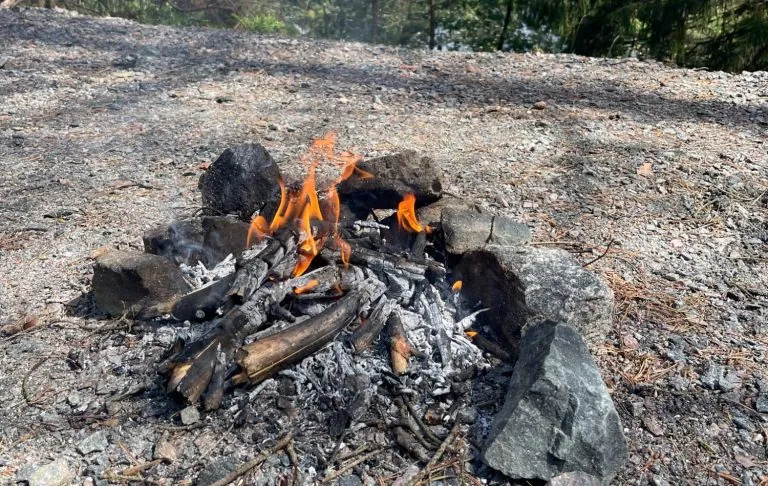
- Use an existing fire site when possible
- Have water on hand
- Extinguish properly
The Right of Public Access applies in Sweden – but it comes with responsibility. During dry spells, even small embers can cause major fires.
Always read more about responsibility and rules at Fire safety in nature.
Kids should never handle fire unsupervised.

Healthier alternatives over an open fire
Historically, outdoor food was energy-dense. Today we can combine tradition with nutritional knowledge.
Instead of:
- Only pork and flour
You can use:
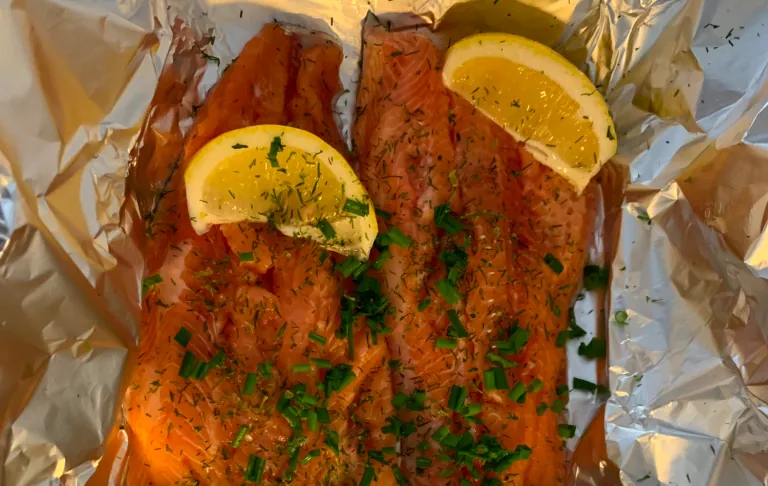
- Vegetables in foil
- Fish
- Whole-grain-based dishes
- Legumes
A balance of protein, fat and carbohydrates gives stable energy during a hike.
See examples at Healthy recipes over an open fire.
Cooking with kids over an open fire
Involving kids in fire cooking requires structure.
Kids can:
- Gather wood
- Preparing ingredients
- Stir the pot
- Learning distance from fire
As the adult, you're responsible for:
- A safety zone around the fire
- Stable equipment
- Clear rules
It's not about making everything risk-free – it's about making it controlled.
More detail is available at Cooking with children over a fire.

Common mistakes when cooking over an open fire
1. Too much flame
Many people cook directly in the flames. The result is burnt outside and raw inside.
2. Wrong wood
Damp wood gives smoke and uneven heat.
3. Poor planning
You should know:
- What you're cooking
- How long it takes
- How to extinguish
4. No temperature control
Being able to read the embers is a skill.

Checklist before you light the fire
- Check for fire bans
- Choose a safe spot
- Prepare ingredients
- Gather the right amount of wood
- Have water ready
- Plan the extinguishing
A well-thought-out start reduces stress and risk.
Fire's role in Swedish outdoor tradition
Fire has been central to:
- Forestry work
- Hunting
- Fishing
- Military activity
- Mountain hiking
But its role has changed. Today, fire is often part of the experience rather than a necessity.
By understanding the history behind Swedish outdoor food, we can cook with greater respect for both tradition and nature.

FAQ – Common questions about food over an open fire
Can you always make fire in Sweden?
No. Fire bans can apply regionally. Always check local rules.
Is it better to cook over embers than a flame?
Yes, embers give more even heat and better control.
Which pan is best?
Cast iron is the most stable over an open fire.
Is it safe to cook with kids?
Yes, if there are clear rules and adult supervision.
What's easiest for beginners?
A simple fried dish or stew over a bed of embers.

Summary
Cooking over an open fire is a skill that combines tradition, technique and responsibility.
With the right equipment, safety knowledge and understanding of heat, you can cook everything from simple dishes to well-thought-out meals outdoors.
It's not the fire that makes the food good – it's the knowledge behind it.
Dig deeper into EldMat
Want to read more about tradition, safety and specialized guides on cooking over an open fire? Explore our deeper guides below.