
No Hollywood drama!
Most crises don't start dramatically. They start small. A system that's down. A service that isn't working. A day that suddenly doesn't behave as usual. For many, this creates a feeling of unreality – as if the situation shouldn't be possible.
Everyday crisis preparedness is about accepting that disruptions can happen, and building a life where these disruptions don't immediately lead to paralysis.
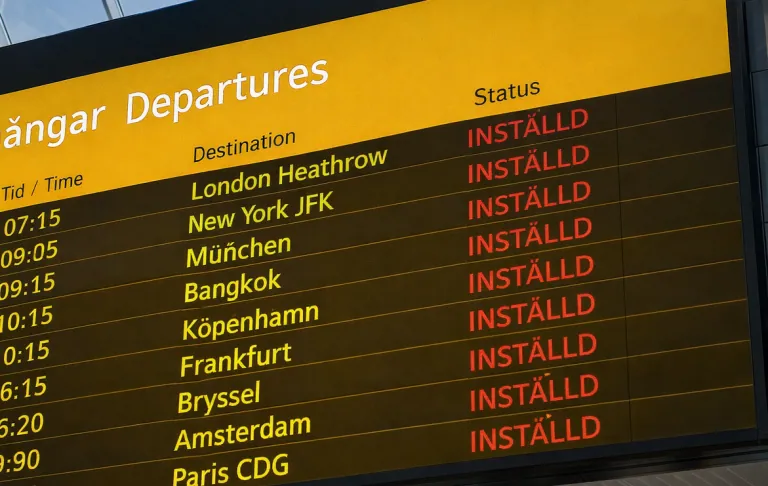
What is meant by everyday crisis preparedness?
Everyday crisis preparedness is the ability to handle temporary societal disruptions without falling into panic or dependency. It's about small margins that together create stability.
Work on guidelines for this is coordinated, among others, by the Swedish Civil Contingencies Agency (MSB).
It's the same basic idea that runs through the whole preparedness & prepping cluster: everyday competence before extreme solutions.
Everyday crises are more common than major crises
Most people will never experience war or large-scale disasters. However, many do experience:
- power outages
- water disruptions
- technical faults
- transport problems
- isolation during storms
Everyday crisis preparedness is about being equipped for exactly these scenarios.
How the home can be prepared more concretely is covered in the guide on crisis preparedness at home – what should you keep at home?.

Small margins create room to act
Many households live with very small margins in everyday life. Only a few days' worth of food at home. An almost empty freezer. No backup solution if the power goes out.
Building small margins means, for example:
- a little extra food
- a few litres of water
- charged power banks
- simple light sources
Planning around this is closely linked to the guide on equipment & home preparedness – the essentials to keep at home.
Information during everyday crises
When something stops working, it's tempting to look for answers on social media. The problem is that information there is often incomplete or incorrect.
Knowing where reliable information can be found is therefore part of everyday preparedness.
How this works in practice is described in the guide on communication during a crisis – when the network is down.
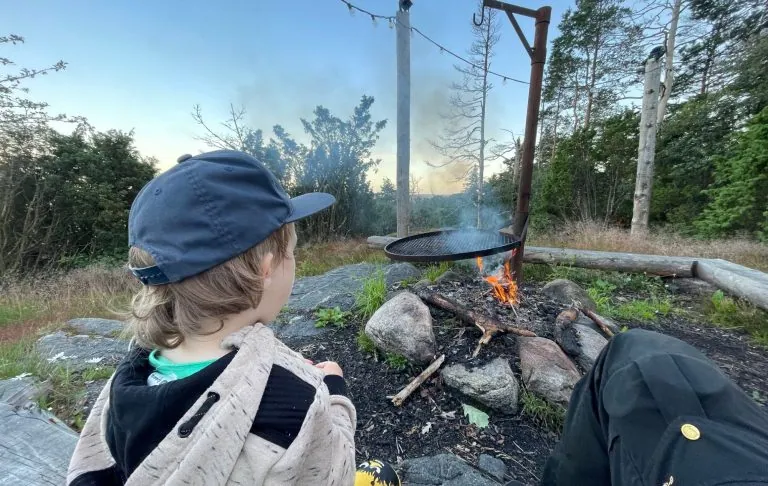
Children, security and everyday preparedness
Children are quickly affected by changes in routine. That's why adults' calm and preparation are crucial.
Everyday preparedness with children is about:
- clear routines
- simple explanations
- recognition
A broader family perspective can be found in the guide on preparedness with kids & family.
Everyday preparedness is a lifestyle
Everyday crisis preparedness isn't a project with an end date. It's an approach.
Small choices over time:
- planning purchases
- rotating food
- reviewing equipment
- talking about scenarios
These choices create resilience without taking over everyday life.

Summary
Everyday crisis preparedness is about reducing vulnerability, not predicting everything. Through small, reasonable preparations, the household can function even when society temporarily comes to a halt.
It's not drama. It's responsibility.
Keep reading the series
Previous article:
Vehicle preparedness – when the unexpected happens on the road
Next article:
Preparedness with kids & family
100 Swedish Hiking Trails!
Looking for the perfect hiking trail? We've gathered 100 of Sweden's most interesting, challenging, and scenic hiking trails in one list!
From mountains to coast and the deep forests of the interior, we have the best trails for you and family-friendly trails.