Sweden, the land of security
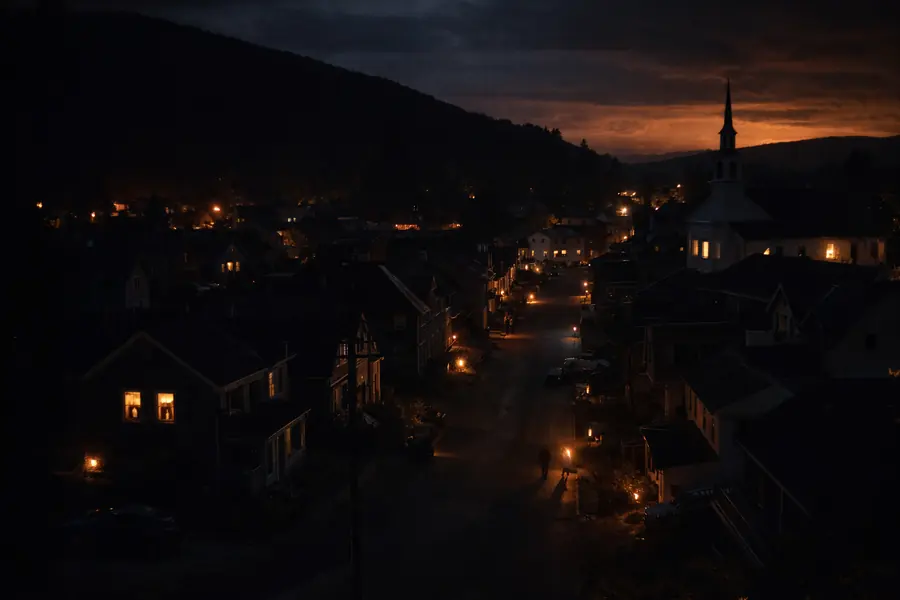
Sweden is a country often seen as safe. We don't have earthquakes, volcanic eruptions or hurricanes in the classic sense. Yet everyday life is regularly affected by natural events that hit hard at societal functions, infrastructure and people's sense of security. The difference isn't in the drama – it's in how prepared we are.
Storms and nature-related events in Sweden are rarely spectacular on their own. But combined with power outages, communication disruptions and impassable roads, the consequences can be significant. That's why understanding and preparation are crucial.

What types of storms affect Sweden?
Sweden is affected by several types of weather-related events that recur every year, but with varying intensity. The most common are:
- strong storms and harsh winds
- snowstorms and ice formation
- prolonged rain and flooding
- heatwaves and drought
- wildfires during dry periods
These events are well known and continuously analysed by authorities, including the Swedish Civil Contingencies Agency (MSB), which coordinates information on risks and consequences.
Storms and strong winds
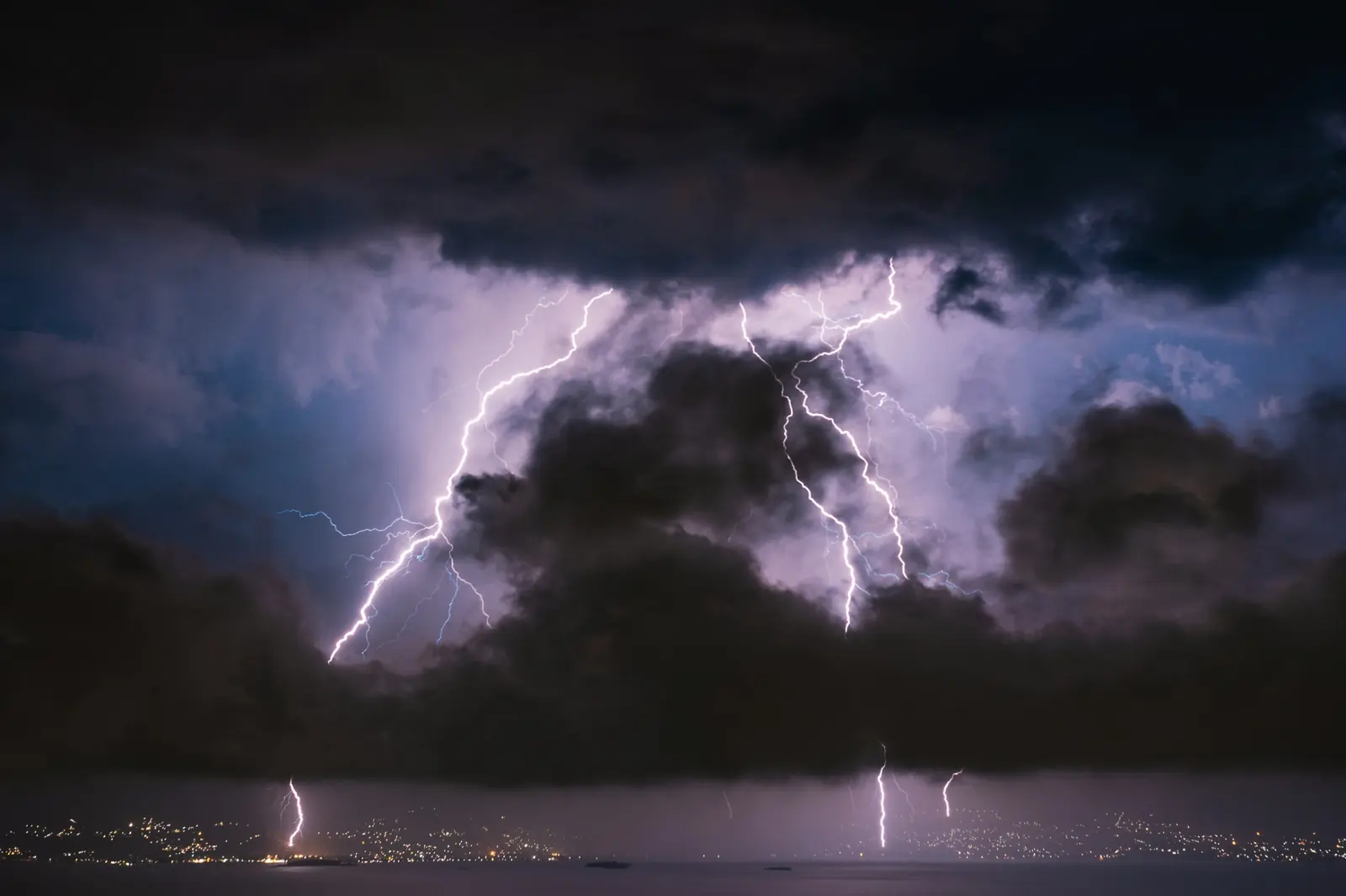
Storms are one of the most common causes of societal disruptions in Sweden. Fallen trees can knock out power lines, block roads and hamper rescue efforts. Coastal areas are often affected by high water levels and rough seas.
During storms, the following are often affected:
- power supply
- communication
- transport
- the emergency services' ability to get through
How you can prepare your home for knock-on effects like power outages is covered in more detail in the guide on power outages – how to manage daily life without electricity.
Snowstorms and extreme cold
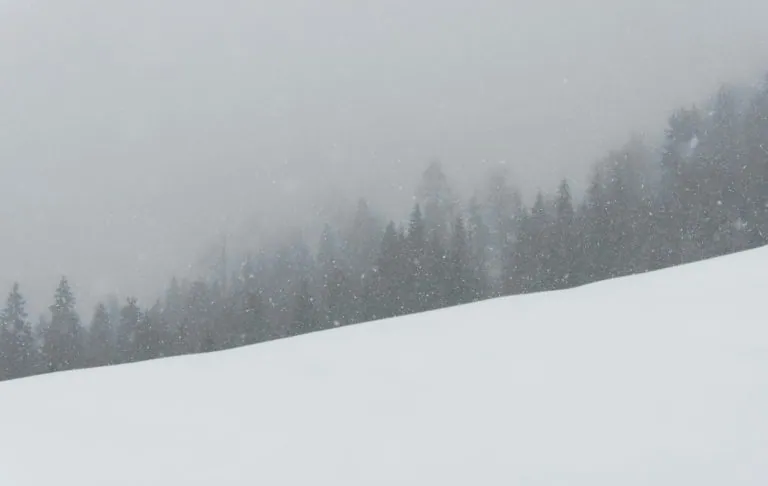
Snowstorms and cold spells can hit both cities and rural areas hard. Roads become impassable, public transport is cancelled and deliveries are delayed. For households, this can mean isolation for several days.
Particularly vulnerable are:
- older buildings with electricity-dependent heating
- households in rural areas
- families without alternative heat sources
Basic home preparedness for winter conditions is covered in the guide on crisis preparedness at home – what should you keep at home?.
Flooding and prolonged rain
Flooding in Sweden is often caused by prolonged rain, snowmelt or high water levels in lakes and watercourses. Basements can fill with water, roads can be damaged and the water supply can be affected.
Flooding can lead to:
- contaminated drinking water
- power outages
- limited access to public services
Preparations around water are therefore central. More on this can be found in the guide on water preparedness – when the tap stops working.
Heatwaves and drought
Heatwaves are a growing problem in Sweden too. High temperatures over longer periods affect health, electricity consumption and water resources. The elderly, young children and people with underlying conditions are especially vulnerable.
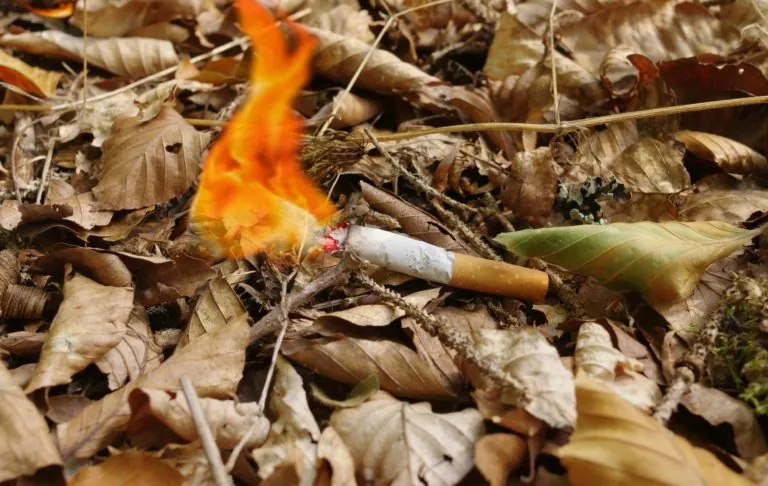
Drought also increases the risk of wildfires, which can have major consequences for people living near forested areas. Evacuations, smoke and limited accessibility are common consequences.
In such situations, access to information is crucial. How this works is covered in the guide on warning signals & alarms – how to know what's happening.
Natural events and travel
Storms don't just affect the home, but also travel and transport. Roads can be closed, ferries cancelled and train traffic affected. For anyone travelling, preparation can make a big difference.
Basic equipment and planning for unexpected stops are covered in the guide on vehicle preparedness – when the unexpected happens on the road.

Children and security during extreme weather events
Just as with other crises, children are strongly affected by adults' reactions. Storms can be frightening, especially when everyday routines are broken.
Security is created through:
- calm explanations
- clear routines
- presence and structure
A deeper family perspective is available in the guide on preparedness with kids & family.
Summary
Storms and natural disasters in Sweden are rarely extreme on their own, but their knock-on effects can be extensive. By understanding the risks and building reasonable everyday preparedness, the consequences are reduced when something happens.
It's not about predicting every scenario – but about being ready when everyday life temporarily changes.
Keep reading the series
Previous article:
Power outages – how to manage everyday life without electricity
Next article:
Warning signals & alarms – how to know what's happening
100 Swedish Hiking Trails!
Looking for the perfect hiking trail? We've gathered 100 of Sweden's most interesting, challenging, and scenic hiking trails in one list!
From mountains to coast and the deep forests of the interior, we have the best trails for you and family-friendly trails.