Dependent on routine?
When society functions as it should, we rarely notice how dependent we are on routines, access and stability. For children, these structures are even more important. Small changes can quickly create anxiety, even if the situation itself isn't dangerous.
Preparedness with children and family is therefore less about equipment and more about security, predictability and adults' ability to create calm.
What does preparedness with children mean?
Preparedness with children is based on the same basic principles as other home preparedness, but with a focus on children's need for:
- security
- recognition
- closeness
- clear communication
Guidelines for family preparedness are communicated by, among others, the Swedish Civil Defence Agency (Myndigheten för civilt försvar, MCF – formerly MSB).

Security before perfection
Children don't need complete information about every risk. They need to feel that adults are in control.
Security is created through:
- a calm voice
- simple explanations
- clear routines
This is closely connected to the ideas in the guide on everyday crisis preparedness – when society comes to a halt.
Food, water and everyday life for children
Hunger and thirst quickly affect children's mood. That's why planning around food and drink is extra important in families.
Basic planning is covered in more detail in the guide on food preparedness – what should you keep at home?.
Children's own small emergency bags
For some children, having their own small bag can create a sense of control.
It can contain:
- a favorite stuffed animal
- a book or small toy
- snacks
This ties in with the guide on go-bag / evacuation bag – for individuals & families.
Sleep, warmth and comfort
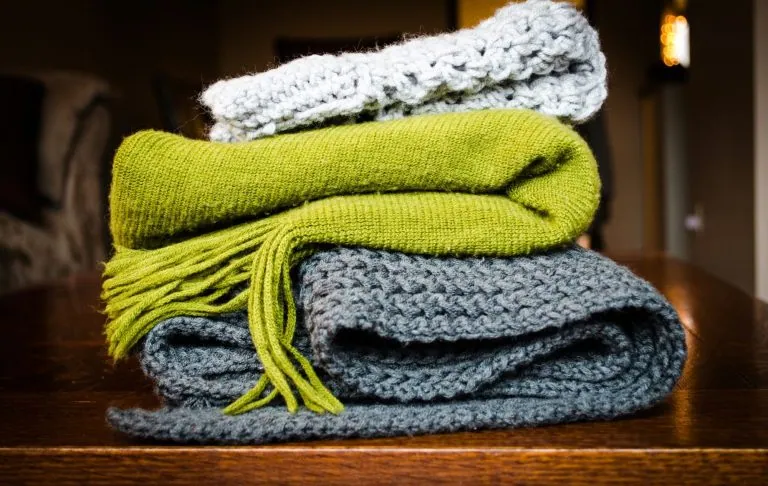
Children are quickly affected by cold and discomfort. Blankets, sleeping bags and extra clothes are therefore key parts of family preparedness.
How to handle warmth without electricity is covered in more detail in the guide on power outages – how to manage daily life without electricity.

First aid in the family
Minor injuries, fever or stomach aches can occur even during a crisis. Basic knowledge and equipment are therefore important.
More on this can be found in the guide on first aid in a crisis – when help is delayed.
Summary
Preparedness with children isn't about creating fear, but about building security. When adults are prepared, children can feel safe even when everyday life changes.
That's the foundation of all family preparedness.
Keep reading the series
Previous article:
Everyday crisis preparedness – when society comes to a halt
Next article:
Water preparedness – when the tap stops working
100 Swedish Hiking Trails!
Looking for the perfect hiking trail? We've gathered 100 of Sweden's most interesting, challenging, and scenic hiking trails in one list!
From mountains to coast and the deep forests of the interior, we have the best trails for you and family-friendly trails.