Preparedness Week exists to strengthen society's resilience, but for many families it stops at information. Brochures get read, checklists get saved – and then everyday life carries on as usual. The problem isn't a lack of knowledge, but a lack of translation: what does preparedness actually mean, at home with us?
This guide is written to fill exactly that gap. The focus isn't on extreme scenarios or shopping lists, but on how an ordinary family can, step by step, build a functioning seven-day home preparedness – starting from what you already have and what actually makes a difference when something unexpected happens.
The guide is relevant during Preparedness Week 2026, but just as useful the rest of the year, and is part of our guides on preparedness and prepping.
What Preparedness Week is and why it matters in 2026
Preparedness Week is a national information initiative aimed at increasing people's ability to cope with societal disruptions. Focus has gradually shifted from individual threats to everyday consequences: power outages, disruptions to the water supply, breaks in communication and extreme weather.
In 2026, this is more relevant than it has been in a long time. Society is efficient, but vulnerable. Many functions work great – until they don't. That's when a gap opens up between expectation and reality, especially for families with children, whose everyday life depends on routines, information and working logistics.
Preparedness therefore isn't about "preparing for the worst", but about creating room to act. A family with basic preparedness can make calmer decisions, ease the burden on society and take care of their loved ones without stress.
For a broader understanding of how home preparedness is built up in several levels, you can also read the guide on preparedness and prepping.

How to build basic home preparedness in 60 minutes
A common misconception is that preparedness requires major purchases or long planning. In practice, you can get far in an hour – if the focus is right.
Start by asking three simple questions:
- What do we need to get through the next day?
- What needs to work so everyday life doesn't collapse?
- What are we completely missing today?
For most families, this means:
- gathering existing food in one place
- checking access to water
- making sure there's light, warmth and information
Real preparedness is already created right here. Anyone who wants to dig deeper into this first step can read more about how to build a solid foundation in the guide on crisis preparedness at home.
The important thing is not to get stuck on details. Preparedness is a process, not a project that has to be "finished".
7-day home preparedness – how it differs from 3 days
The recommendation in Sweden today is that a household should be able to manage for at least a week. Three days used to be a common benchmark, and seven days changes the picture. The difference isn't noticeable on day one – but on day four.
After a few days, new needs arise:
- more water than you first accounted for
- variety in food so children will actually eat
- need for warmth and hygiene routines
- mental strain from uncertainty and lack of information
A functioning 7-day preparedness is therefore less about volume and more about endurance. Storage, rotation and simple cooking become more important than advanced solutions.
Here it's crucial to think in systems rather than lists. How do you restock? How do you know what you have? Who's responsible for what?
Water, food and energy – what makes everyday life possible
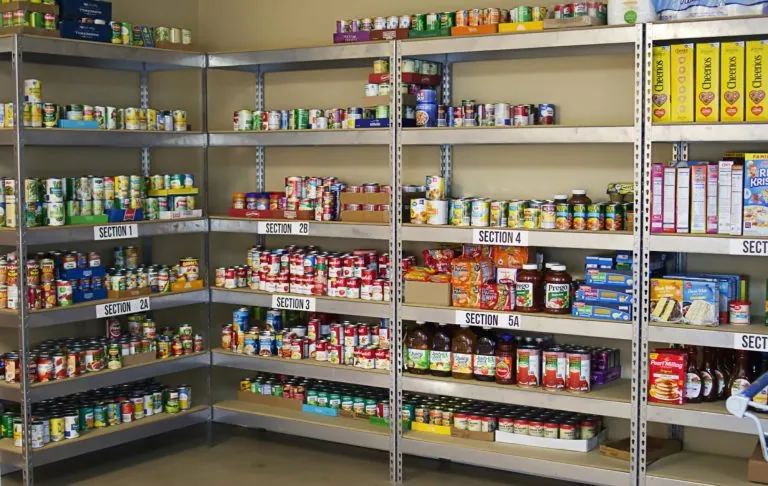
Water is always the top priority. Plan for three to five litres per adult per day – that needs to cover drinking, cooking and basic hygiene. If you want to be able to wash more than the bare essentials, you will need more. A deeper look at this is available in the guide on water preparedness when the tap stops working.
When it comes to food, simplicity is key. Choose foods that:
- children actually eat
- need minimal preparation
- keep well at room temperature
Energy isn't just about electricity, but about warmth, light and the ability to cook. During longer outages, even short power cuts become noticeable, something covered in more detail in the guide on power outages and how to cope.
Hygiene, medication and important documents
Hygiene is often underestimated, but quickly has consequences. Simple solutions for handwashing, toilet visits and waste management reduce both the risk of infection and stress.
Medication should be reviewed regularly. For families with children, this is extra important, as replacement options are rarely available quickly.
Important documents should exist both digitally and on paper. During power outages or network disruptions, paper is often the only thing that works.

Communication during heightened alert – what families need to know
Communication is crucial in a crisis, but also depends on a working power supply. During heightened alert, voice calls and SMS are prioritised, and national roaming may cause your phone to connect to a different network than usual.
At the same time, internet connections can be unstable or completely unavailable. That's why radio, especially P4, is still the most reliable source of information.
Municipalities can also set up safety points where information, water and charging are offered. A detailed and practical walkthrough of this is available in the separate guide Communication during heightened alert – how mobile, internet & safety points work.
Mini-plan for power outages, extreme weather and evacuation
A plan doesn't need to be advanced to work. It should be known, simple and tested.
Decide in advance:
- where you'll gather if you can't be at home
- how you'll contact each other
- when you stay and when you leave
A ready-made evacuation solution doesn't have to mean fleeing, but it's wise to have a basic bag packed and ready. For this, the guide on go-bag and evacuation bag is recommended.
Common mistakes in home preparedness
The most common mistake is focusing on things instead of function. Gear without a plan gives a false sense of security.
Other common shortcomings are:
- no rotation of food and water
- no division of responsibility
- children's needs get forgotten
- no practice or review
Preparedness that isn't used or understood rarely works when it's needed.
How to make preparedness part of everyday life
The most sustainable preparedness is the kind that becomes part of everyday life. An annual review, simple routines and open dialogue with the children go a long way.
Preparedness shouldn't create anxiety – it should create calm. When the family knows what's what, stress decreases, even in uncertain situations.

Summary
Preparedness Week 2026 is a chance to move from thought to action. A functioning 7-day home preparedness isn't about extreme measures, but about securing the basics: water, food, warmth, information and security.
The most important step is to begin – simply, concretely and tailored to your own family.
Related guides for family preparedness
If you want to build further on the basics from Preparedness Week, here are guides that dig deeper into the key parts of family everyday preparedness.
-
 Crisis preparedness at home – how to create a working foundation at home.
-
 Water preparedness – when the tap stops working – securing access to water for several days.
-
 Power outages – how to cope – warmth, light and everyday life without electricity.
-
 Go-bag and evacuation bag – when the situation calls for quick decisions.
-
 Preparedness with kids and family – tailored preparedness for different ages.
100 Swedish Hiking Trails!
Looking for the perfect hiking trail? We've gathered 100 of Sweden's most interesting, challenging, and scenic hiking trails in one list!
From mountains to coast and the deep forests of the interior, we have the best trails for you and family-friendly trails.