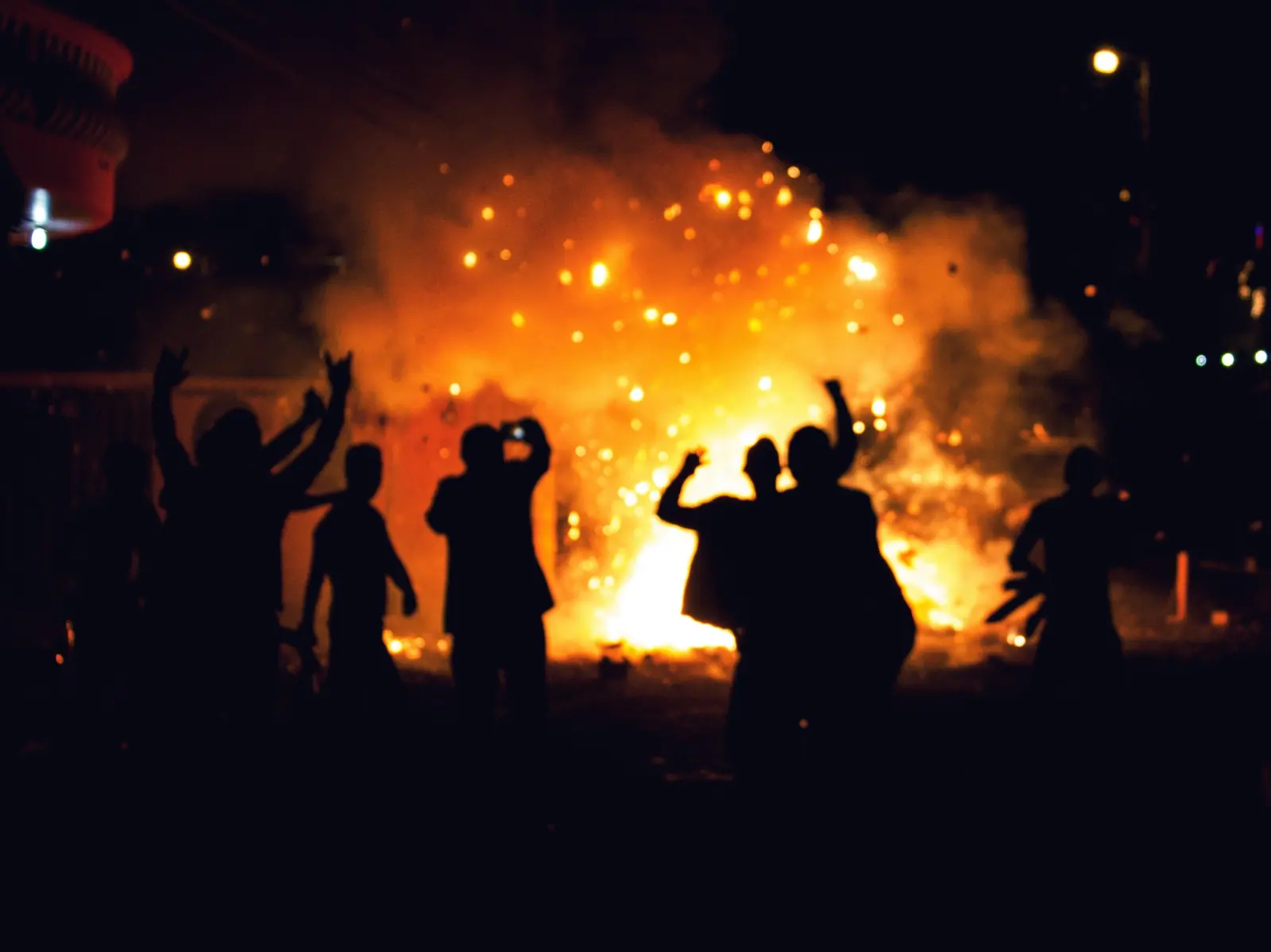
Not to scare you
Most people in Sweden have never experienced war up close. Yet questions about war and serious crisis are part of Swedish preparedness planning. Not to scare anyone, but so that society can keep functioning even under very difficult conditions. For civilians, this is primarily about responsibility, knowledge and the ability to act calmly when everyday life changes drastically.
This guide goes through what actually applies to civilians in Sweden during war or a serious crisis, how responsibility is divided, and how you as a private individual can prepare without taking things to extremes.
What is meant by war and serious crisis?
In Swedish preparedness, the term serious crisis is used for events that significantly affect society's functions over a longer period. This can involve extensive disruptions to electricity, water, communication or transport. War is a more extreme state, but planning for civilians shares many basic principles with other crisis preparedness.
Sweden's civil preparedness is coordinated by, among others, the Swedish Civil Defence Agency (Myndigheten för civilt försvar, MCF – formerly MSB), and relies on the whole of society contributing – authorities, municipalities, businesses and private individuals.
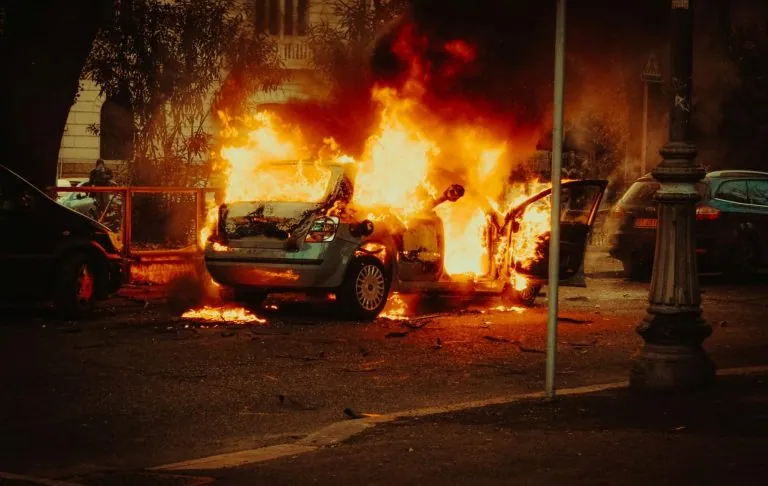
Civilian responsibility during heightened alert
During heightened alert or war, everyday life doesn't change overnight for most civilians. However, the demands for responsibility and cooperation increase. The basic idea is that every individual should be able to look after themselves for a limited time, so that society's resources can be used where they're needed most.
As a civilian, you're expected to:
- follow authorities' instructions
- contribute to calm and order
- not spread unconfirmed information
- have a reasonable level of personal preparedness
This responsibility builds on the same principles described in the guide on crisis preparedness at home – what should you keep at home?.
Total defence and the individual's role
Sweden's total defence consists of both military and civil defence. Civil defence includes, among other things, healthcare, food supply, transport, energy and communication. Private individuals aren't passive recipients in this system, but an active part of it.
The individual's role isn't about replacing authorities, but about:
- reducing the burden on society
- maintaining everyday functions
- helping relatives and neighbours when needed
Preparations around food, water and warmth therefore become central even during war, just as with other crises. A deeper look is available in the guide on food preparedness – what should you keep at home?.
Information, rumours and responsibility
During war or a serious crisis, information is one of the most important tools – and one of the biggest problems. Rumours spread quickly, especially in uncertain situations. That's why it's crucial to know where reliable information can be found and to approach sources critically.
Authorities use established systems to get information out, including warning signals and targeted messages. How this works in practice is described in more detail in the guide on warning signals & alarms – how to know what's happening.
Protection, evacuation and everyday life during a crisis
During serious events, instructions about shelter or evacuation may be issued. These decisions are made based on the nature of the situation and aim to reduce risks for civilians. It's important to understand that such measures aren't taken arbitrarily.
For civilians, this means:
- following guidance from the responsible authorities
- having basic equipment for short relocations
- knowing your immediate surroundings and alternative routes
Preparations for this are covered more practically in the guide on go-bag / evacuation bag – for individuals & families.
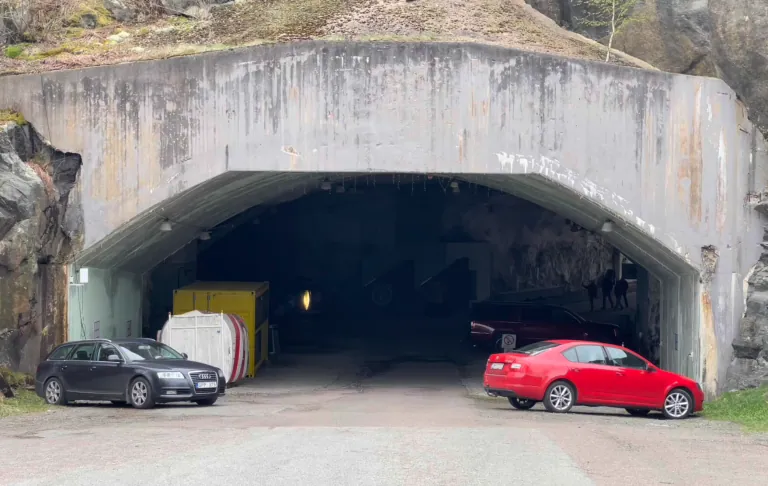
Children, family and security during war
For children, uncertainty is often more straining than the event itself. The way adults handle the situation has a big impact on how children experience a crisis or war.
Security is created through:
- clear and honest communication
- steady routines even amid change
- presence and calm
A family perspective on preparedness and talking with children is explored in more depth in the guide on preparedness with kids & family.
Summary
War and serious crisis are extreme states, but civilians aren't expected to handle them alone. Sweden's preparedness is built on cooperation, responsibility and preparation. By understanding their role and having a reasonable level of personal preparedness, every individual contributes to a more resilient society.
It's not about living in worry, but about being ready to adapt everyday life when needed.
Keep reading the series
Previous article:
Warning signals & alarms – how to know what's happening
Next article:
Food preparedness – what should you keep at home?
100 Swedish Hiking Trails!
Looking for the perfect hiking trail? We've gathered 100 of Sweden's most interesting, challenging, and scenic hiking trails in one list!
From mountains to coast and the deep forests of the interior, we have the best trails for you and family-friendly trails.