





Strips on the griddle
The middle browns, the edge keeps warm. How to fry the meat in batches without it stewing in its own juices.
To the griddle guideSpiced meat, cold garlic sauce and soft bread rolled by hand
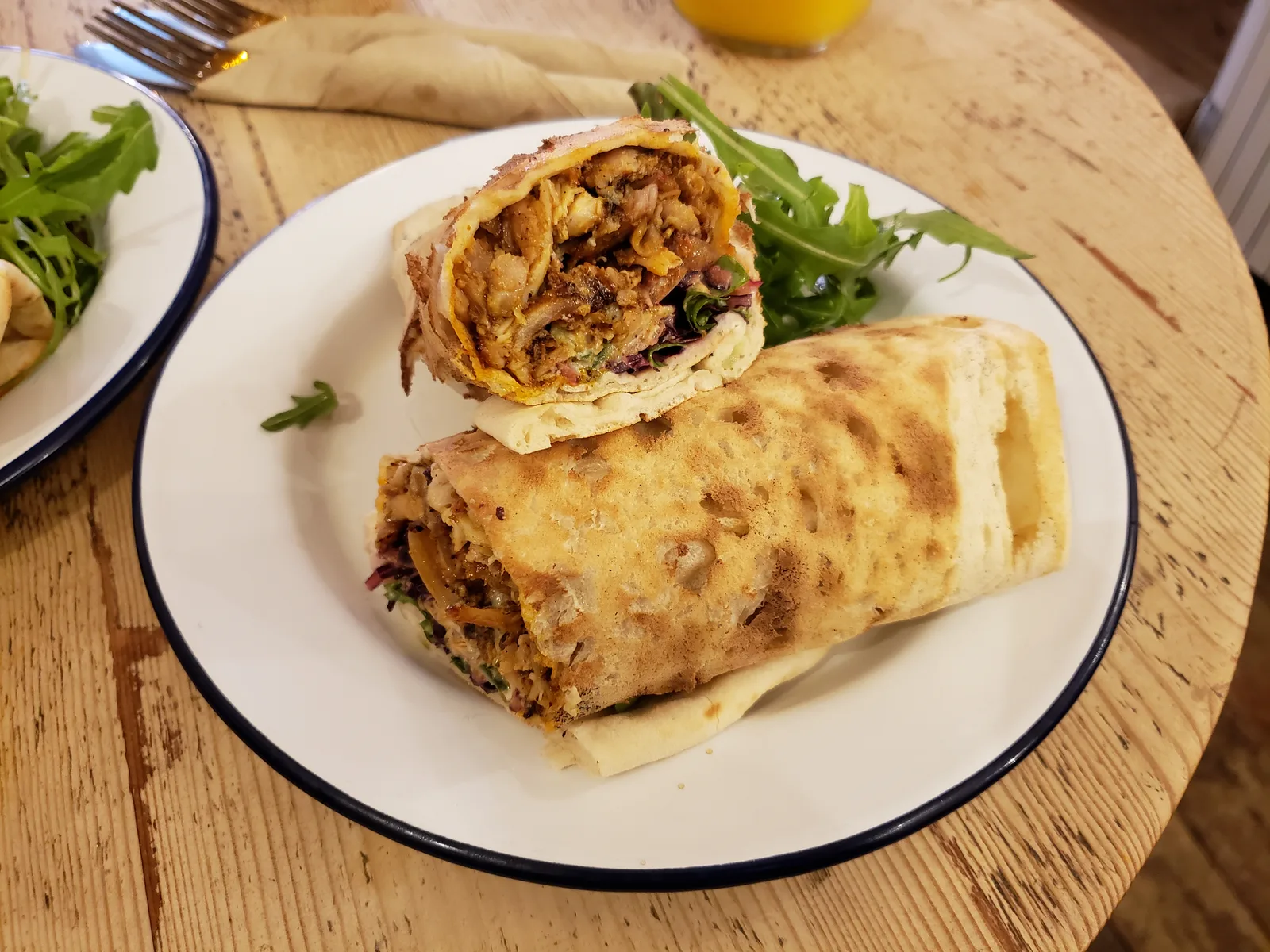
The griddle has been sitting over the embers for a while, and when the first handful of chicken strips hits the iron it sizzles loudly. There's a smell of cumin, garlic and a little charred lemon. Next to it the tunnbröd (thin Swedish flatbread) lies in a pile under a tea towel, the tub of garlic sauce stands in the shade and everyone has already decided whether they want onion or not.
Kebab by the fire isn't the takeaway doner from a vertical spit. It's something simpler and better suited to a fire pit: whole pieces of meat marinated at home, cut into thin strips and fried quickly on a hot surface. It's food everyone builds for themselves, and all the recipe really asks for is three steps in the right order: slice, sear, roll.
Have you made this recipe? Rate it
0.0 out of 5 · 0 votes
out of 5
vote
votes
Be the first to rate this recipe.
Thanks for your vote!
Your vote could not be saved right now. Please try again later.
The meat. Chicken thigh is the most forgiving choice: it has a little more fat than breast and doesn't dry out if it gets a minute too long. Pork fillet is lean and tender and cooks faster. Trim off membranes and sinew, then cut the meat across the grain into strips about one centimetre thick and five centimetres long. Chicken thighs are easiest to slice if they have spent half an hour in the freezer first.
The marinade. Stir together the yoghurt, oil, lemon zest and lemon juice, garlic and all the spices in a bowl. Fold in the meat so every strip is coated, and put it all in a sealed bag or tub. Leave it in the fridge for at least two hours and ideally overnight, but not much longer than 24 hours. The lemon and yoghurt tenderise the surface, but if the meat sits too long it turns mealy. The acid is also why the marinade should be kept in plastic or glass: acidic food shouldn't be stored or cooked in contact with aluminium foil.
Frozen as an ice pack. If you're setting off early or going far, the meat can be frozen in the marinade. Flatten the bag so it freezes into a thin slab, not a lump. It thaws in the cool box during the day and keeps the rest of the food cold in the meantime. Feel the bag before frying: the strips should pull apart and be soft all the way through. A cold core of ice gives you kebab that's burnt outside and half raw inside. If the bag is still stiff, put it, sealed, in a pan of cold water for a while.
The sauce. Mix the yoghurt, mayonnaise, garlic, lemon juice and salt, and leave the sauce somewhere cold for at least an hour so the garlic has time to come through. It's even better made the night before. Pour it into a separate tub. The marinade the meat has been lying in never becomes sauce, not even if it's boiled – it has had raw meat in it and must be thrown away.
The onion. Cut the red onion into thin half-moons and put them in a small tub with the lemon juice and a pinch of salt. In half an hour they turn softer, pink and much milder. It's often this onion that wins over even the doubters.
The vegetables. Shred the lettuce, cut the cucumber into sticks and the tomatoes into chunks at home, and put them in separate tubs. That way you don't need a chopping board at the fire at all, and the clean food is kept away from the raw.
On the way. The meat is packed at the very bottom of the cool box in a double bag, so nothing drips onto the bread or vegetables. The sauce and vegetables go on top. How to pack the cool box and how long food can be left out is explained in hygiene and washing up outdoors.
By the fire. Light the fire as soon as you arrive and let it burn down to an even bed of embers. That takes about half an hour, and in the meantime you can lay out the bread and the toppings. How to build a fire that gives good embers is explained in lighting a fire. The meat stays in the cool box until the griddle is hot.
Hard tunnbröd (Swedish crisp flatbread) keeps for weeks in a rucksack without going mouldy or getting squashed, which is why many people take it in their packed lunch on longer trips. You can't roll it as it is – it cracks straight away – but you can bring it back to life with water.
If the bread gets too wet and starts cracking the other way, the kebab can be eaten as a plate instead: meat, lettuce and sauce on a plate or in a camping mug, with pieces of hard bread to scoop it up. It's also the easiest way for anyone eating in the tent or out in the wind. If you'd like to bake your own tunnbröd by the fire, there's a recipe for flatbread on a hot stone.
Chicken must be cooked through. That's the most important rule in the whole recipe. Campylobacter is most common in poultry, and just a few bacteria are enough to make you ill. Always cook it through, and check the thickest strip. Pork fillet is a whole cut of meat, and in that case the bacteria sit on the surface. So it's fine for it to be faintly pink in the middle (even for pregnant women, but not bloody), though in thin strips it nearly always ends up cooked through anyway.
Keep raw and cooked apart. Use two pairs of tongs and keep them apart all evening: the raw tongs for meat going onto the griddle and the clean ones for cooked meat. Never put cooked kebab back in the bag or on the plate where the raw meat has been. Don't rinse the chicken – the splashes spread the bacteria. Wash your hands with soap and water straight after touching raw meat.
Two hours, never in the sun. Meat, sauce and vegetables all need to be kept cold. Don't leave them out for more than two hours in summer heat, and never in the sun. Sauce that has stood lukewarm all afternoon gets thrown away.
Fat and flames. Oil and yoghurt marinade dripping into the embers flare up and blacken the meat with soot. Shake off the marinade before the meat goes on, and move the griddle away from flames. If the fat on the griddle catches fire: put on a lid or another pan and leave it there until the fat has cooled. Never pour water on burning fat.
Burns. Cool with cool water straight away for about a quarter of an hour, no longer, and never with ice or snow. Seek medical care for blisters over an area larger than the injured person's own hand, for burns to the face or hands, and always when the child is 12 months or younger.
Fire bans. It's the decision of the county administrative board (länsstyrelsen) or the municipality that determines whether and where you can light a fire. Read more in lighting fires outdoors before you set off.
Allergens: yoghurt and feta contain milk and mayonnaise contains egg, and tunnbröd almost always contains gluten. Dairy-free: marinate in oil, lemon and spices without yoghurt, and make the sauce with an oat- or soya-based yoghurt. Gluten-free: roll in gluten-free tortilla wraps or eat the kebab as a plate with salad.
Kebab is perfect for children who like to decide for themselves, and that's where they should get to join in: set up a rolling station on a bench or a blanket a little way from the fire. Each vegetable in its own tub, a mild sauce and bread under the tea towel. Then they choose for themselves, and nobody has to pick out the onion.
More jobs for different ages can be found in cooking with children over a fire.
Chicken thigh is the safest choice over a fire, because it stays juicy even if it gets a little too long. Pork fillet is leaner, tender and quicker. Both should be cut into thin strips across the grain and marinated for a few hours.
At least two hours and ideally overnight in the fridge. With lemon and yoghurt in the marinade, the meat shouldn't sit much longer than 24 hours, because the surface turns mealy.
Cut the thickest piece in half. It should be white all the way through, with no pink or glossy centre, and the juices should run clear. With a probe thermometer, 70 degrees in the middle is a good measure.
Yes. Pork fillet is a whole cut of meat, so it's enough for the surface to be properly seared. Pregnant women can eat it pink too, but not bloody. In thin strips on a hot griddle it nearly always ends up cooked through anyway.
Mix Turkish yoghurt with a little mayonnaise, finely grated garlic, lemon juice and salt, and leave it somewhere cold for at least an hour. Make it at home and carry it in a separate tub in the cool box.
Yes. Dip or brush the rounds with water, let them rest in a damp tea towel for 10–15 minutes and warm them briefly on the griddle. Fold them like a sandwich instead of rolling them tightly.
More for kebab night by the fire
Strips on the griddle
The middle browns, the edge keeps warm. How to fry the meat in batches without it stewing in its own juices.
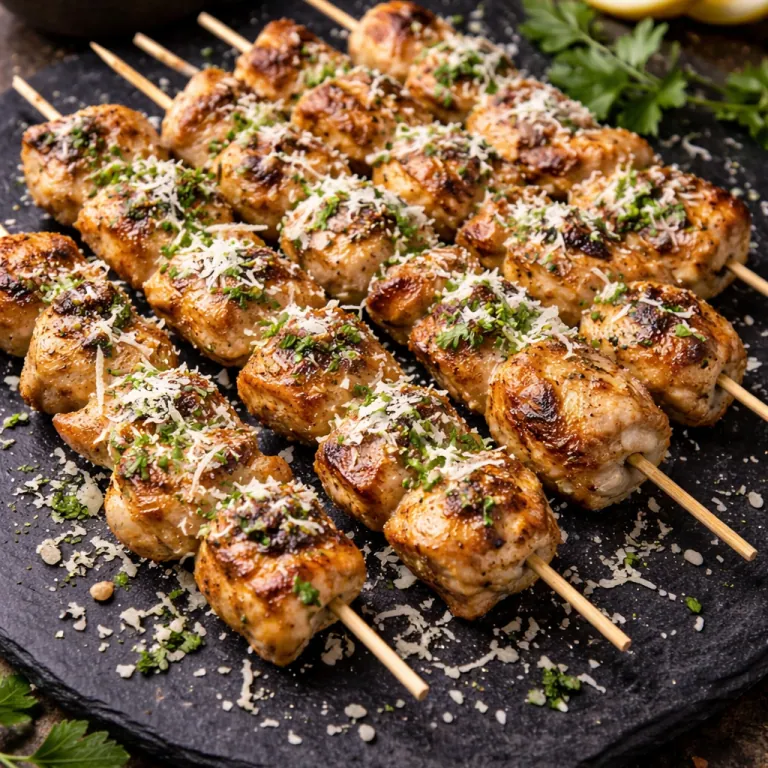
To the griddle guideSkewers on the grill
Embers, not flames, and a cool side to move to when the marinade drips and flares up.
To the grill guideRaw tongs, clean tongs
The cool box, handwashing and two pairs of tongs – how to keep raw chicken away from bread and salad.
To the hygiene guide