Short answer
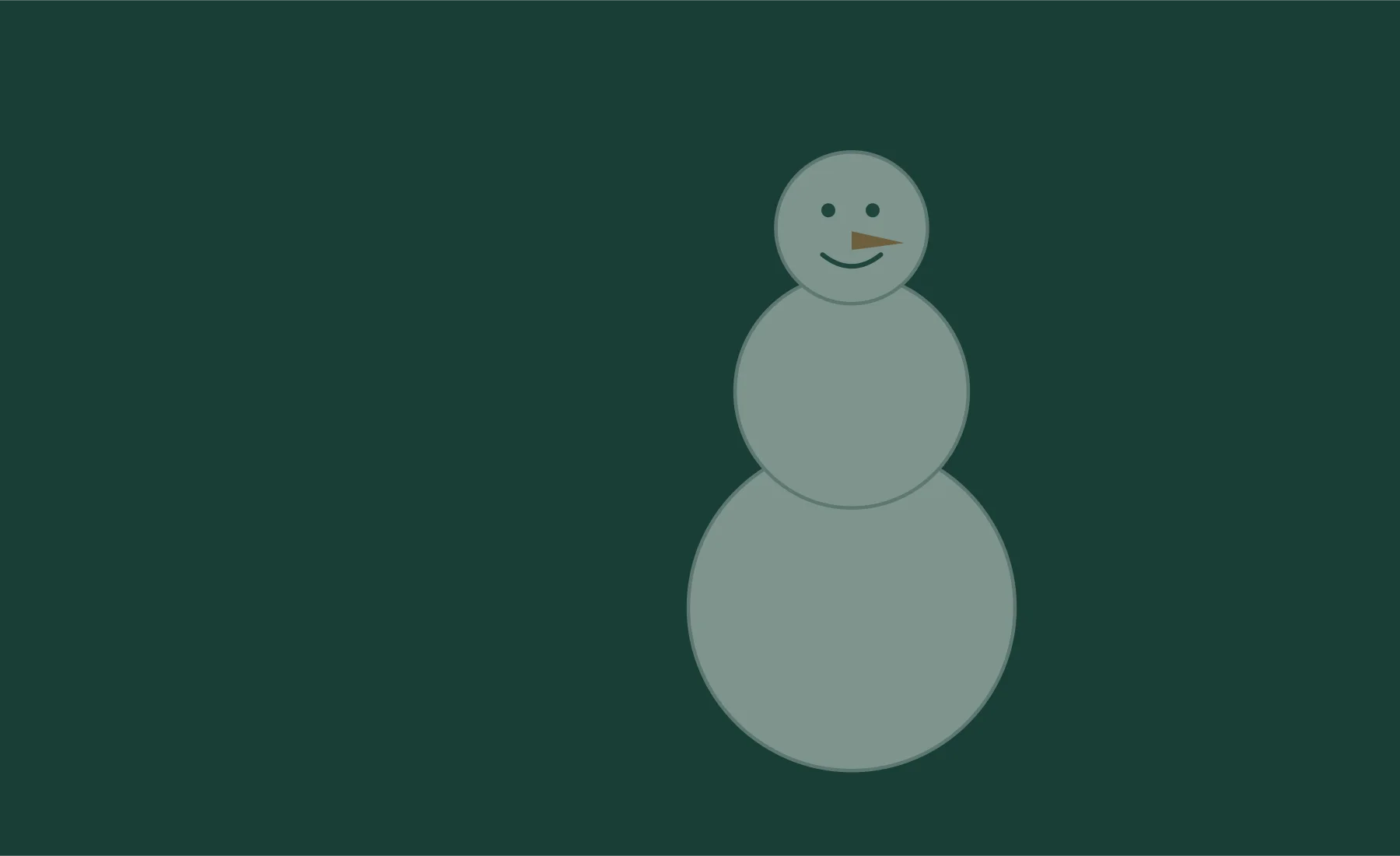
First check that the snow can be squeezed into a ball. Roll a big base where the snowman will stand, make a smaller middle ball and a small head, and flatten the surfaces where they meet. Build low, let an adult do the lifting and decorate with small bits you can collect afterwards.
What you need
- Sticky, mouldable snow on a flat spot where you're allowed to build
- Warm mittens and dry spare mittens
- Small fallen sticks and a small carrot, optional
- A small shovel for an adult to use if needed
Step by step
-
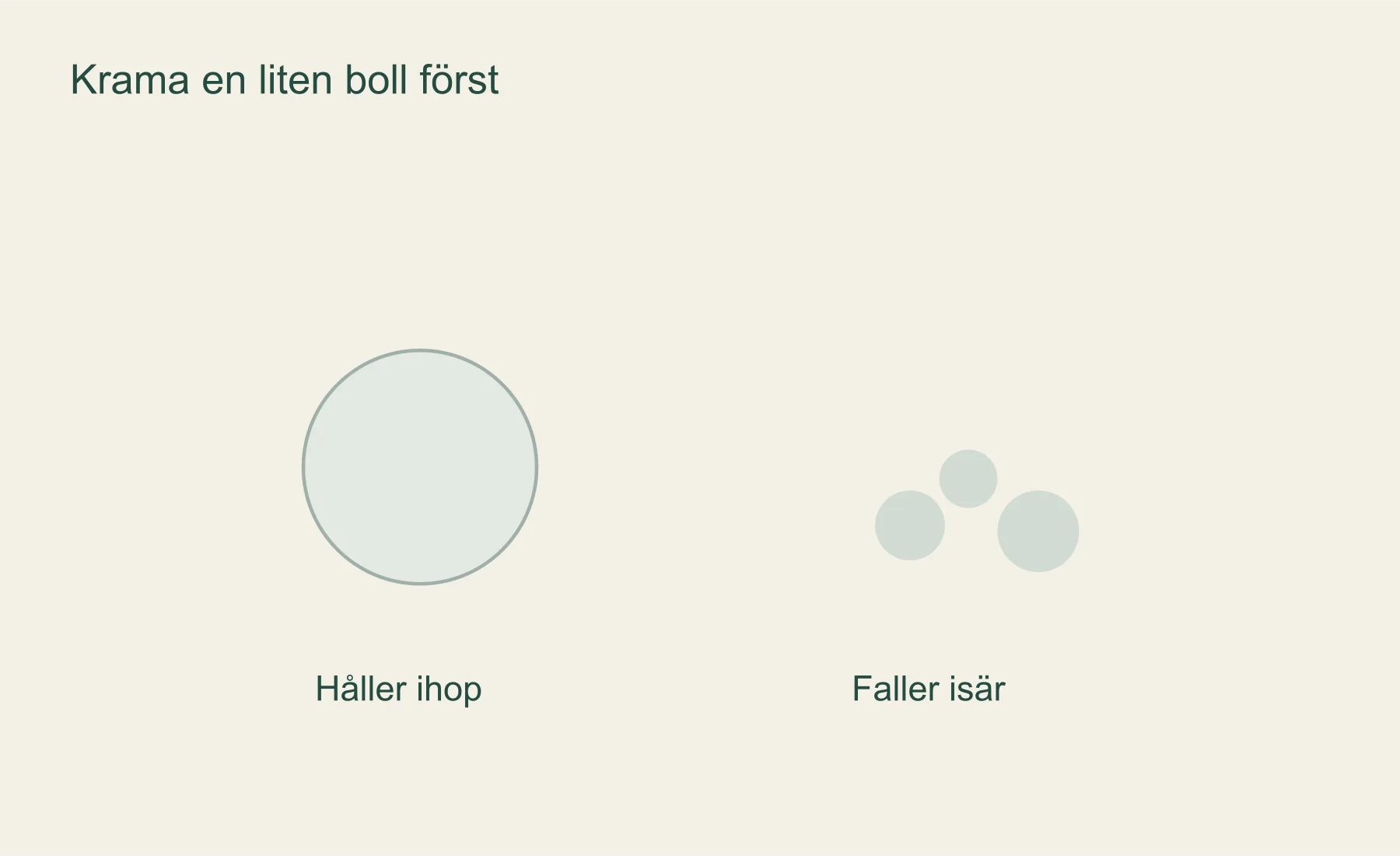
1. Squeeze a small snowball. Only start rolling if it holds together.
-
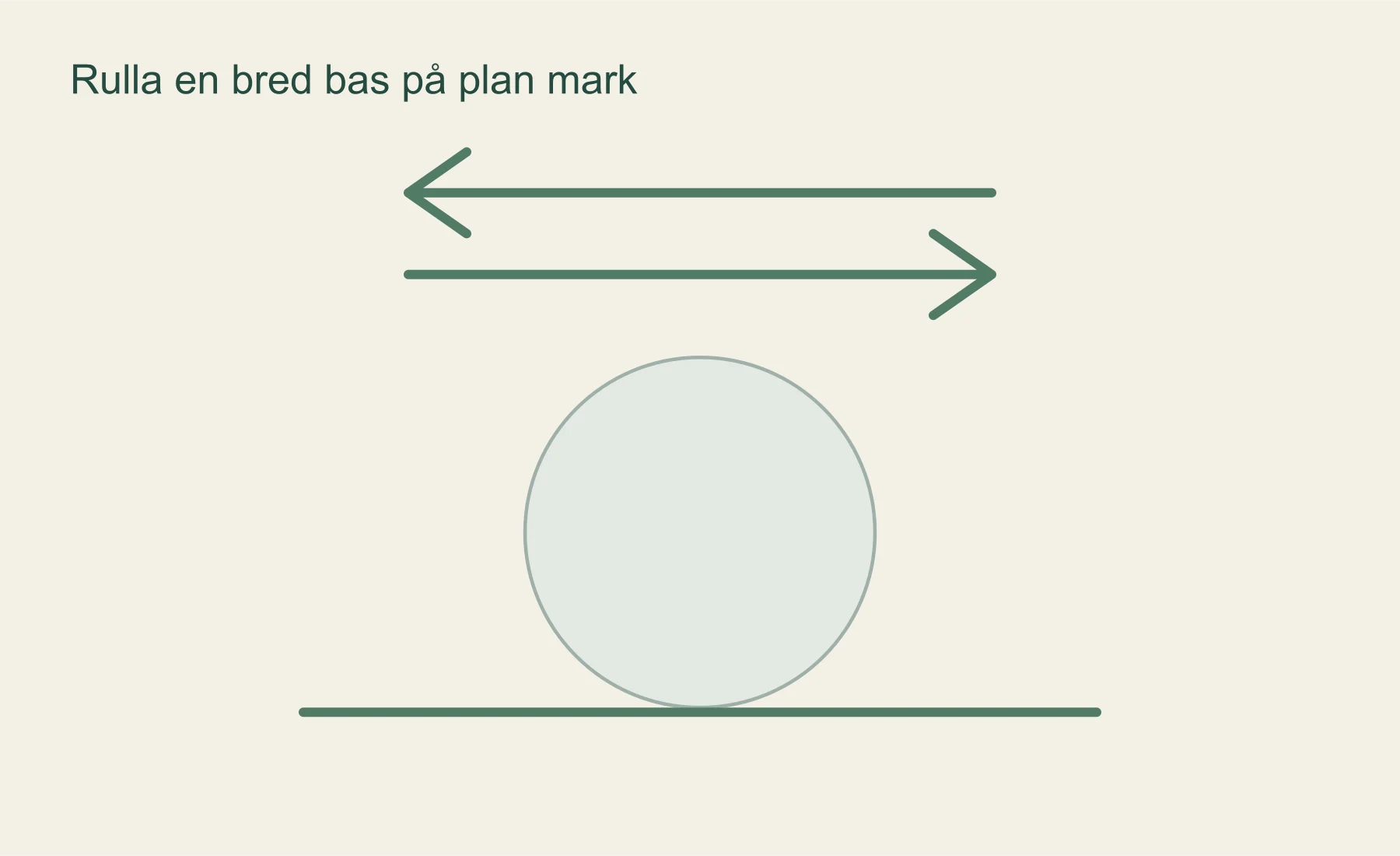
2. Roll a wide base on the spot where the snowman will stand. Change rolling direction and pack the surface.
-
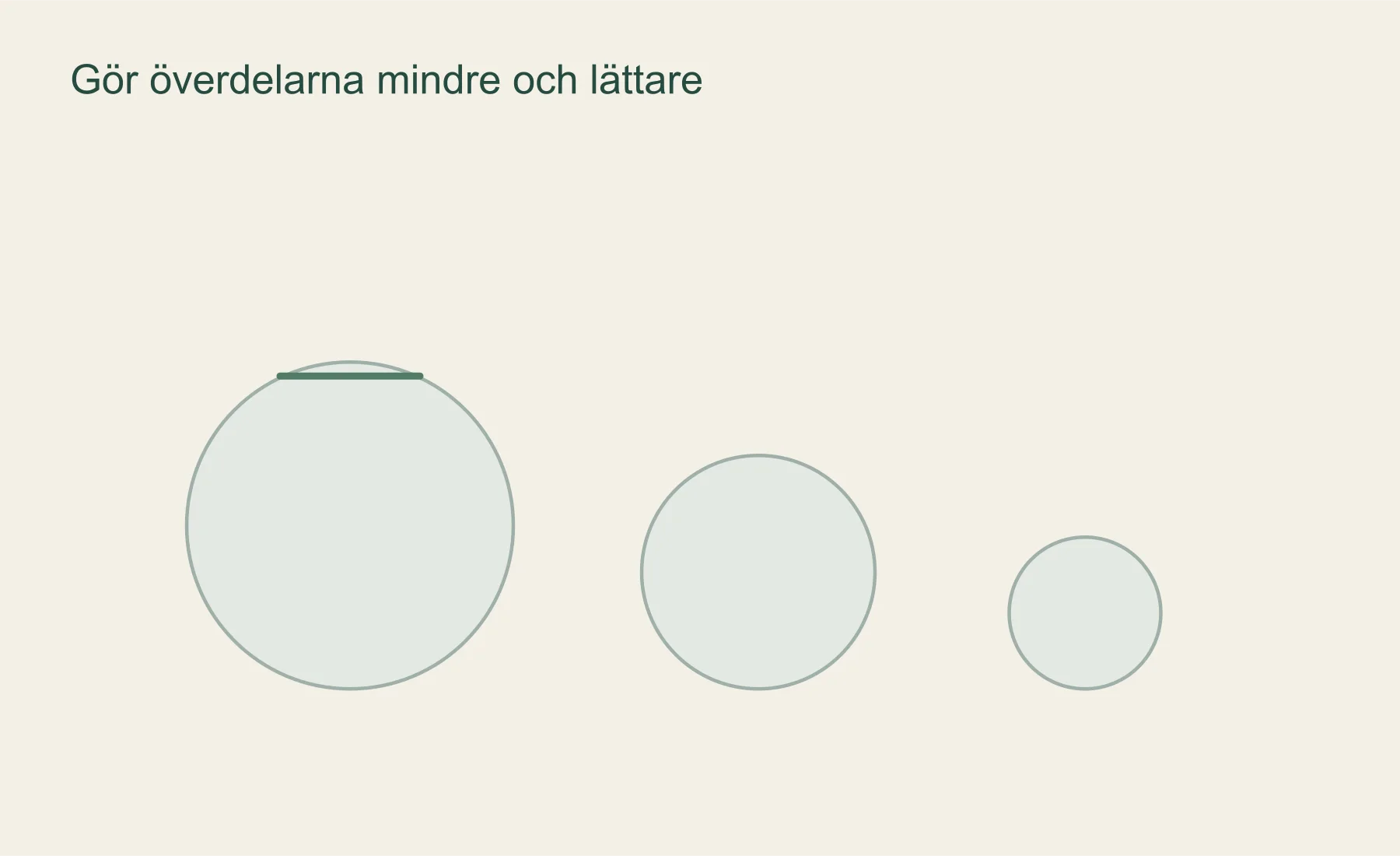
3. Make a smaller middle ball and a small head. Flatten the top of the base.
-
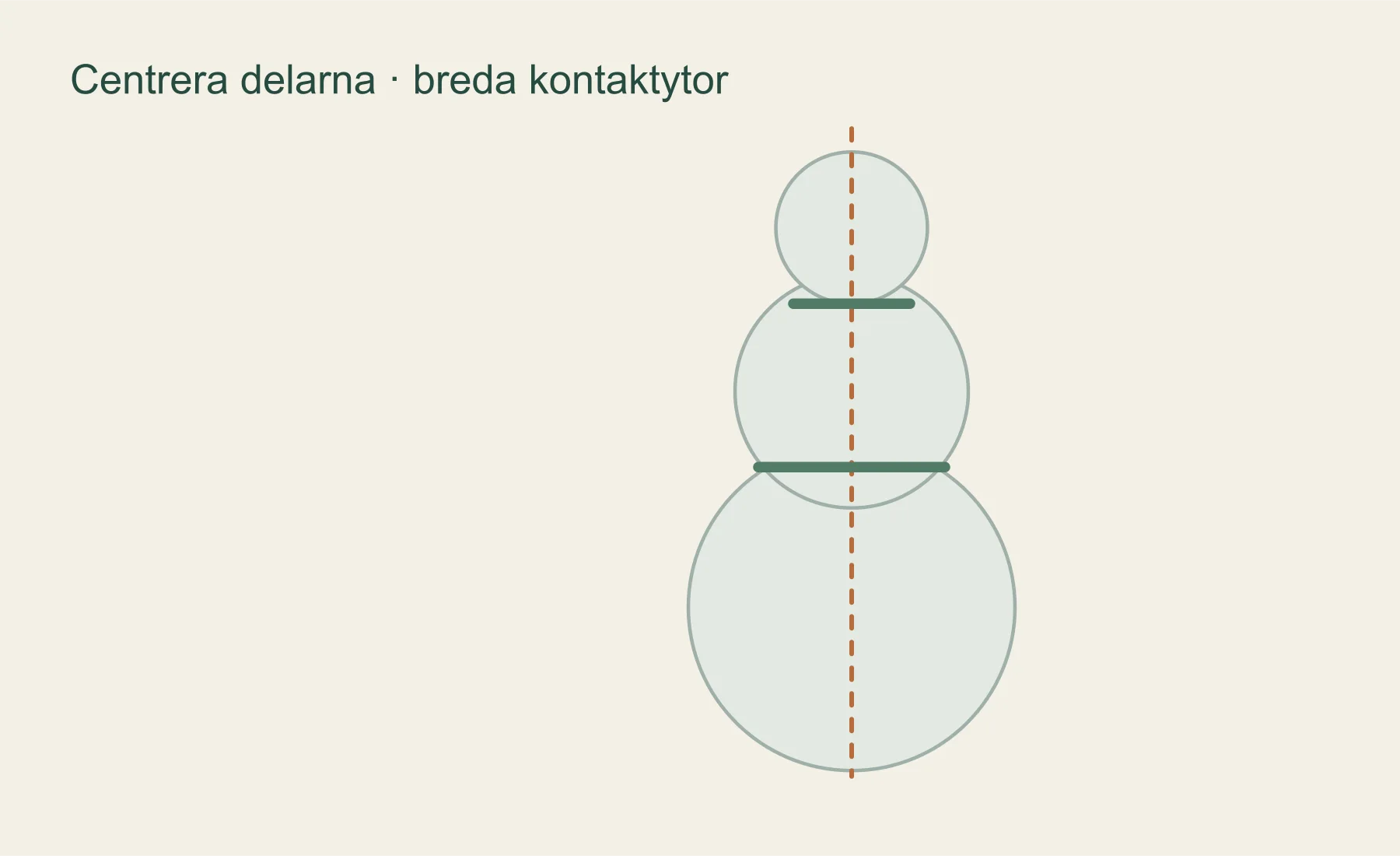
4. An adult lifts the light upper parts. Centre them and pack soft snow into the joins.
-
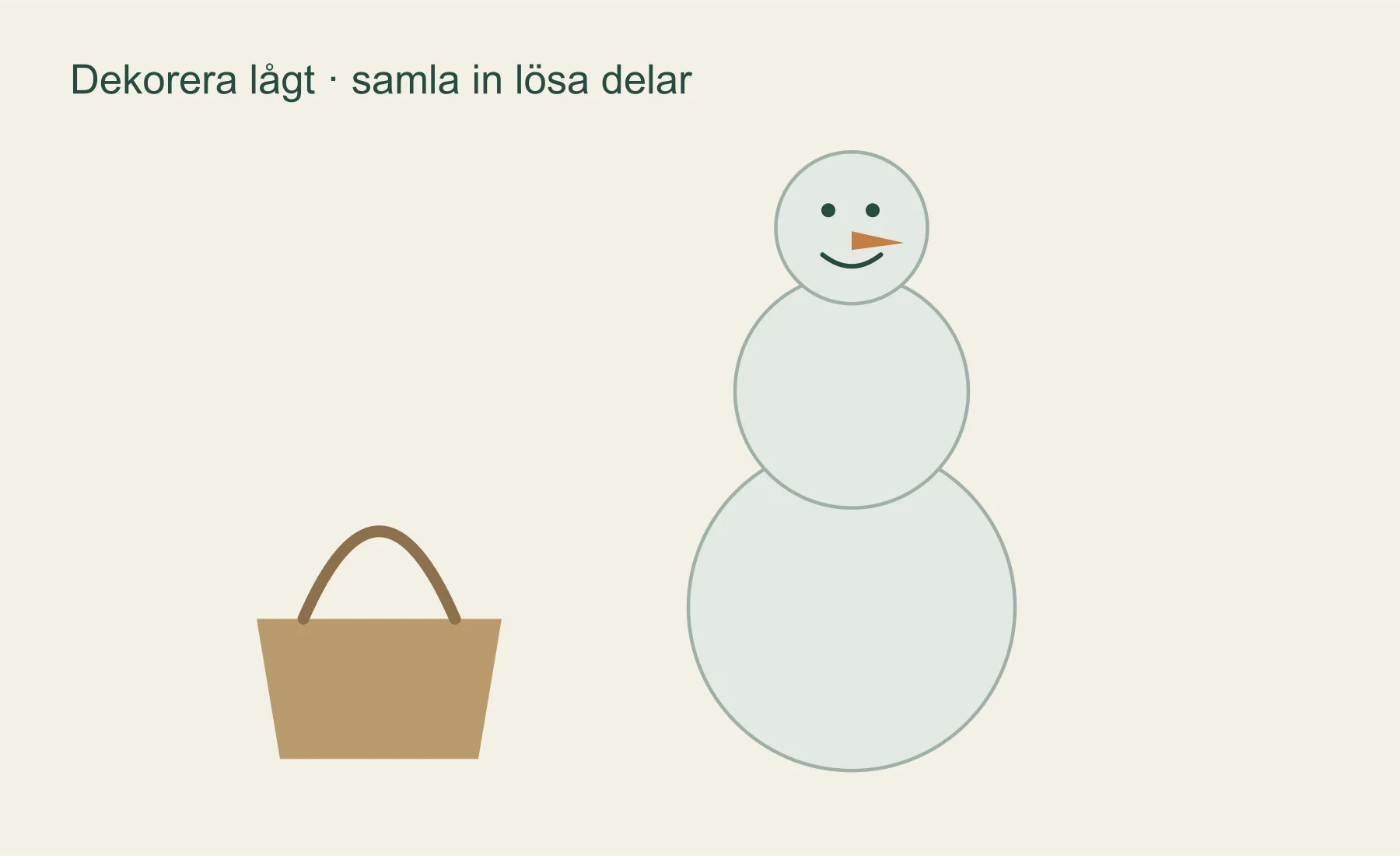
5. Shape the face and add small decorations. Collect any loose bits when you finish.
A snowman starts with a handful of snow. If it holds together when you squeeze and let go, you have something to build with. If it crumbles, the figure will have to be smaller, flatter or wait for a milder day.
Make the bottom ball where the snowman will stand and keep the rest light enough to lift. It's easier to build a small figure everyone can help with than to get a heavy middle ball onto a huge base. For a different kind of snow building there's our snow lantern; here we make a figure without any hollow to crawl into.
Test the snow before the big plan
Squeeze a small ball and hold it in your hand. If it keeps its shape when you turn it, you can start rolling. Damp snow near zero degrees binds more easily than really cold, dry snow. That's why yesterday's hopeless snow cover can turn into building material when the weather turns milder.
Look at the snow itself, not just the thermometer. The top layer can be dry while the snow further down can be shaped. Test in a few small spots where you're allowed to play and choose clean snow without grit, salt or dog wee.
If the ball falls apart straight away, it's better to change project than to pour water over a large area. Build a face on the ground with snow and sticks, or play winter bingo on a short walk and come back when the snow has changed.
Choose a spot where the figure can melt
Put the snowman on flat ground in your own garden or somewhere snow play is allowed. Keep footpaths, sightlines at driveways and snow clearing routes free. Avoid stairs and slopes where a loose ball could roll away.
A spot you can see from a window is a good choice. Then the children can follow what happens: the head sinks, the hat tilts and the figure becomes something else after the next thaw. Make sure the meltwater has somewhere to go that doesn't cross the path you use.
Also decide how big it should be before you start rolling. A low figure is easier to fix and decorate from the ground. For a short while before dinner, two balls and a face are plenty.
Roll a base and two lighter balls
Squeeze a ball, put it down in the snow and roll it slowly so new snow sticks. Change direction now and then and pack loose snow onto the surface with your mittens. A ball that's only rolled straight ahead tends to turn into more of a roll.
Make the base on the chosen spot or move it there while it's still manageable. Flatten the top a little so the next ball gets a wide surface to sit on. Then make a smaller middle ball and an even smaller head.
An adult judges what can be lifted. If the middle ball has got too heavy, make it smaller before lifting or build the snowman in two parts. Walk around the figure and check that each part sits centred over the one below. Pack a little soft snow into the join and shape a smooth transition.
Let the face be the children's part
Make eyes and a mouth with small fallen sticks, or shape them directly in the snow. A small carrot can be the nose if you like. Choose just a few bits that you can find again when the snow melts.
A hat or scarf can be used for a while. Bring the textiles in when play is over or before they freeze on. Let the children name the figure, decide its expression or make a little snow friend next to it.
Pick dry little sticks off the ground where allowed and leave living branches on the trees. There's more about collecting materials in allemansrätten (the right to roam). Avoid glitter, plastic confetti and anything else that stays in the ground after the thaw.
When the snow won't make three round balls
There's not much snow: build a small snow figure on the ground and use a single ball as the head. A flat snowman can have a body, arms and buttons without anything being lifted.
The ball crumbles: try damper snow further down in the snow cover. If that falls apart too, choose another activity until the temperature and the snow change.
It's very wet: keep the figure low and make the base wide. Spend less time on a perfectly round shape and more on a face that shows.
The middle part slides: take it down before you decorate any more. Make the contact surface wider, reduce the weight and try again. If it still wants to move, the snowman will have to be in two parts.
Finish while hands are still warm
Have dry spare mittens and take a break when hands get cold or wet. An adult does the heavy lifting and handles any tools; keep the figure low, with no tunnels or hollows, and let no one climb on it. Stones and other hard, heavy objects don't belong inside the snowballs.
Bring loose decorations in when you go inside and check on the snowman after a thaw. A heavy part that starts to lean gets taken down. The rest can melt where it stands.
Let the next snow session be about something else: more small figures, a snow lantern or a short advent outing. On days without snow you can cut out paper snowflakes indoors, and the Christmas guide has more to do while the snow is slow to arrive.
Frequently asked questions
What kind of snow is best for a snowman?
Damp snow that holds together when squeezed. It's often found near zero degrees. Test a small ball before you start rolling big parts.
What do you do if the snow won't roll?
Try the snow further down in the snow cover. If that falls apart too, you can make a flat face on the ground or wait for milder weather.
How do you give a snowman a steady base?
Build on flat ground, make the base wide and flatten the surface where the next part sits. Centre the smaller balls and keep the figure low.