


Where do the pike bite?
Fishing in Sweden gathered in one place – types of fishing, waters that suit a family and what you need to know before you cast.
To the fishing guideOver, under, lift – and then just butter and embers
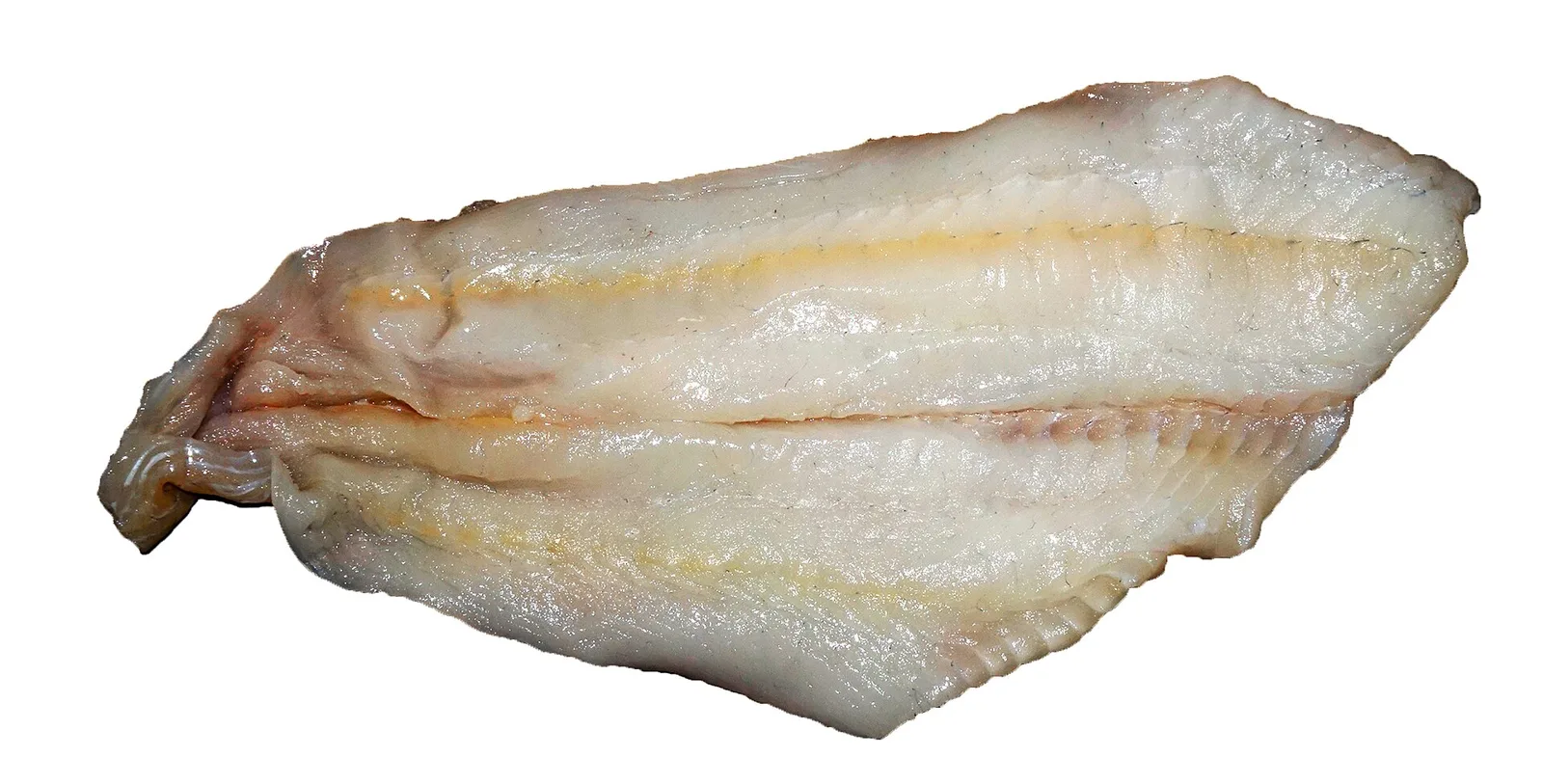
The pike lies on a flat stone at the water's edge, a good half metre long and glistening with slime. It was the one everyone was waiting for. Now you're standing there with the knife, knowing that pike tastes good, but also that it's full of bones nobody wants to find in their mouth.
The bones can be removed, and it isn't hard once you know where they are. The whole recipe comes down to three things in the right order: slime off, bones out, butter on. The Y-bones themselves come out in three moves – over, under, lift. It works just as well with your own catch in June as with a pike fillet from the fish counter on an autumn evening at the fire pit.
How the heat spreads across a griddle, and where the food should sit while it finishes cooking, is explained in griddle and frying pan over a fire. A cast-iron pan holds its heat better than a thin steel pan when cold pieces of fish go in – see cast iron over a fire.
Have you made this recipe? Rate it
0.0 out of 5 · 0 votes
out of 5
vote
votes
Be the first to rate this recipe.
Thanks for your vote!
Your vote could not be saved right now. Please try again later.
 🔥 Over fire
 🔥 Over fire
 🔥 Over fire
 🔥 Over fire
At home, mix the flour, breadcrumbs, salt and pepper in a sealed bag. Boil the potatoes, let them cool and put them in the fridge so they travel cold. Lukewarm potatoes sitting for a long time in a lunch box are exactly what bacteria thrive on, so cool them quickly and transport them cold. Stir the horseradish into the soured cream and put it in the cool box.
If you've bought pike fillet, do the boning at home at the kitchen sink too. Then you only need to bring the ready-cut pieces in the cool box, and they should be kept cold until they go in the pan. More about the cool box and how long food can be left out can be found in hygiene and washing up outdoors.
If you're catching it yourselves, it all happens by the water. Light the fire once the pike is on land, so it has time to burn down while you clean the fish. A pike takes longer to fillet than a perch, and a steady bed of embers under a griddle needs about half an hour. The basics of a fire that gives good embers can be found in lighting a fire.
Pike have an extra row of bones in the upper part of the fillet, just above the centre line. The bones branch like a Y and slant from the row of dots diagonally in towards the back side of the fillet. You can't pull them out one by one with tweezers like salmon bones, because the branches are anchored in the flesh. That's why you cut out the whole row in one go.
The row starts near the head end and stops roughly level with the dorsal fin, a little way before the tail. Above it lies a thick, boneless back piece, and below it a thinner belly piece. If you're unsure the first time, take it easy: first cut off the thick back piece above the row, then the belly piece below it, and discard the narrow strip with the bones. You lose a little more flesh, but you get three completely boneless pieces.
Always run your finger along the pieces before you coat them. A bone left behind is easy to feel, and it's easier to cut it out now than to find it at the table.
A pike has hundreds of sharp, inward-pointing teeth, and the gill covers cut too. Never put your fingers in its mouth. Remove the hook with long pliers or forceps, and hold the fish behind the head while you do it. The filleting knife should be sharp and always cut away from the hand that's holding the fish.
Butter spitting onto skin, and a hot griddle at knee height, are the most common burns by the fire. If someone burns themselves: cool with cool water for about a quarter of an hour, no longer, and never with ice or snow. If the fat catches fire in the pan, put a lid on it and never pour on water. More about the fireplace and the rules can be found in fire safety in nature, and if there's a fire ban, it's the county administrative board's or the municipality's decision that counts.
Fish must be cooked all the way through. Raw wild-caught fish can contain parasites, and pike is one of the freshwater fish that can carry the larvae of the broad fish tapeworm. The parasites die when the fish gets hot enough. Fry until the flesh is white all the way through and at least 60 degrees in the centre, and never taste raw pike. If the pike is going to be cured or cold-smoked, it first needs to be frozen at minus 18 degrees for three days.
Pike and mercury. Pike can contain mercury, and the levels vary from lake to lake. Livsmedelsverket (the Swedish Food Agency) advises anyone who is pregnant, breastfeeding or trying to get pregnant not to eat pike more than two to three times a year. For everyone else, children included, the advice is to vary: anyone who eats self-caught pike, perch, zander or burbot more than once a week can, over time, take in too much mercury. The county administrative board and the municipality have information on the levels in different lakes, and in lakes contaminated with PFAS the municipality may have its own advice.
Keeping fish cold. Raw fish must be kept cold, at no more than 4 degrees, from the catch or the shop until it's cooked. On a summer's day it may be left out for no more than two hours, and never in the sun. Put fried leftovers in the fridge as soon as you get home.
Allergens: fish, gluten (flour and breadcrumbs) and milk (butter, soured cream).
The children can join in with almost everything except the knife and the pan. They can help rinse the pike and wipe off the slime with grass, which tends to be both disgusting and fun. Let them count the Y-bones in the strip that's lifted out, so they can see why you cut the way you do. The bag with the coating is the perfect job for a child: add the pieces, puff up the bag and shake.
Show them the pike's teeth from a safe distance and explain why nobody puts their fingers there. The pan, the butter and the knife are handled by an adult. More ways to give children their own jobs by the fire are in cooking with children over a fire.
Find the row of white dots above the centre line of the fillet by running the edge of the knife lightly along the flesh. Cut down just on the back side of the row and follow the bones diagonally in towards the back edge. Then cut just under a centimetre on the belly side of the row and angle the knife in under the bones until the cuts meet. Lift out the narrow strip with all the bones.
Pieces about two centimetres thick need 3–4 minutes on the first side and 2–4 minutes on the second. Thinner pieces are quicker. The fish is done when the flesh is white all the way through, flakes easily and is at least 60 degrees in the middle.
Pike from clear water tastes mild. A muddy taste usually comes from the slime, or from shallow, warm water in summer. Rinse off the slime before you fillet, cut away the skin, and rinse or dry the fillets before coating them.
Anyone who is pregnant, breastfeeding or trying to get pregnant should not eat pike more than two to three times a year, because of mercury. Children and other adults can eat pike, but anyone who eats self-caught freshwater fish such as pike and perch more than once a week should vary it with other fish.
Not always. Along the east coast there may be both a minimum and a maximum size for pike, in large areas 40–75 centimetres, and a limit on how many you can keep per day. The sizes differ between stretches of coast and can change. In spring, targeted pike fishing may be banned in some coastal areas and at river mouths. In lakes and rivers there may be local minimum sizes and closed seasons, and there you usually need a fishing permit. Always check the county administrative board's rules for the water you're fishing in before you keep a pike. More about finding a place to fish can be found in fishing in Sweden.
Yes, pike are caught through the ice both by jigging and with tip-ups. Then fry it by the fire on shore, the same way as perch. How to plan a whole day on the ice, with the fire on the shore and a plan B if nothing bites, is explained in campfire food for ice fishing. A recipe for the smaller catch can be found in fried perch over an open fire.
More for the day by the pike water
Where do the pike bite?
Fishing in Sweden gathered in one place – types of fishing, waters that suit a family and what you need to know before you cast.
To the fishing guideThick pieces need the right zone on the griddle
Sear in the middle, finish further out and keep warm at the edge. Here's how to read the heat on the griddle or in the pan.
Read about the griddleFish slime, knives and washing up by the lake
Cold, clean, home – how to keep raw and cooked apart, wash your hands without a tap and not leave the washing up in the lake.
Read about hygiene outdoors