How to avoid the most common pitfalls
Many ski trips turn out well despite small slip-ups – but with a bit of forward planning, you can avoid the most common traps that otherwise steal time, money and energy. Whether you're travelling as a family, a group of friends or several families together, the mistakes are often the same. Here we go through the most common ones – and how to avoid them.
Planning too little (or too late)
One of the biggest mistakes is underestimating the planning. Late bookings limit your options and often lead to pricier accommodation, worse logistics and unnecessary compromises.
How to avoid this mistake:
- Decide the plan and budget early
- Lock in accommodation, transport and lift passes well in advance
- Work from an overall structure, such as our The 10 best tips for your ski trip
The wrong ski resort for your group
Not every ski resort suits everyone. A common mistake is choosing a destination based on reputation or trends rather than actual needs.
Examples of poor choices:
- Too advanced skiing for beginners
- Too long distances for families with children
- Too fast a pace for groups who want to take it easy
The right approach:
- Families often do best in the Swedish mountains – see ski trips in Sweden
- Groups of friends might appreciate more variety – also compare Norway's ski resorts and skiing in the Alps
Packing wrong or too sparingly
The wrong packing affects ski enjoyment directly. Too few mittens, the wrong layers or forgotten accessories quickly lead to cold, tired skiers.
Common mistakes:
- Too few base layers
- No spare mittens
- Missing sun protection and lip balm
- Outer layers that are too thin
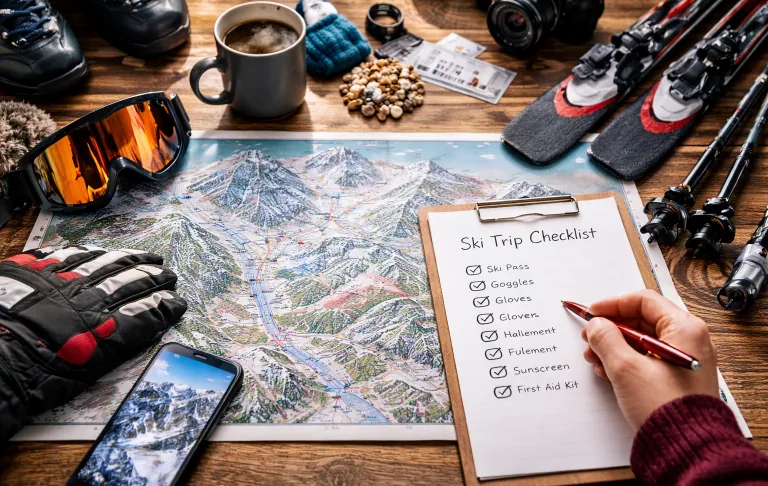
Avoid this by following a structured packing list for the ski trip and adapting it to the weather and your group.
Too many hours on the slopes
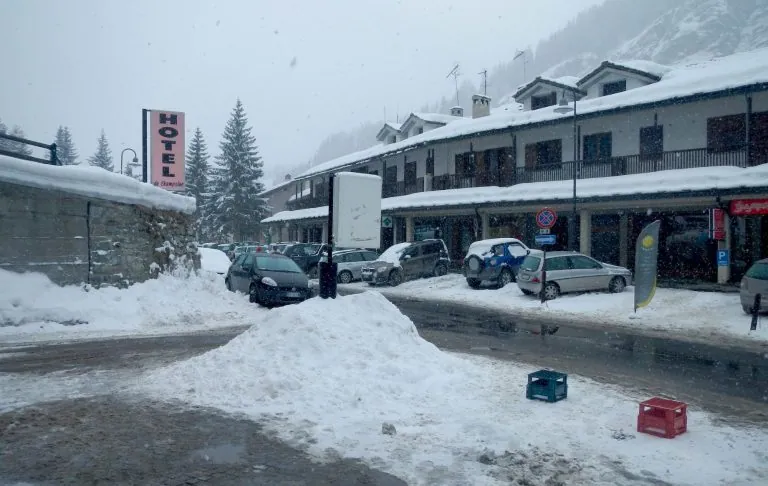
It's easy to want to maximise skiing time – but too-long days are a classic mistake, especially with children.
Consequences:
- Tiredness and irritability
- Reduced safety on the slopes
- Less enjoyment over time
For families, this is especially important. Read more in ski trip with children – tips & advice about how to adjust the pace.
In our own case, shorter sessions and clear breaks worked much better. During our visit to Isaberg, an hour on the slopes was enough to create both enjoyment and progress – without pushing too far.
Underestimating food and energy
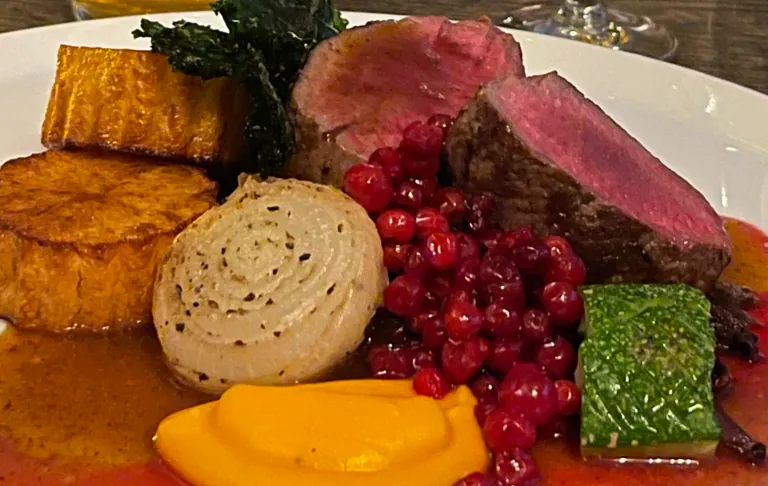
Hungry skiers are rarely happy skiers. A common mistake is not planning meals properly and relying on spontaneous restaurant visits.
Better alternatives:
- Plan breakfast, dinner and snacks
- Have lunch on the slopes some days
- Prepare shared shopping and a budget
A complete plan can be found in food on the ski trip – the best recipes for a week in the mountains.
The wrong transport choice to the resort
Transport often sets the tone for the whole trip. The wrong choice can mean unnecessary stress before you've even arrived.
Common mistakes:
- Driving days that are too long without breaks
- Arriving too late
- Poorly planned transfers
Always compare the options in the guide travelling to the resort – car, train or plane before deciding.
Blowing the budget on small things
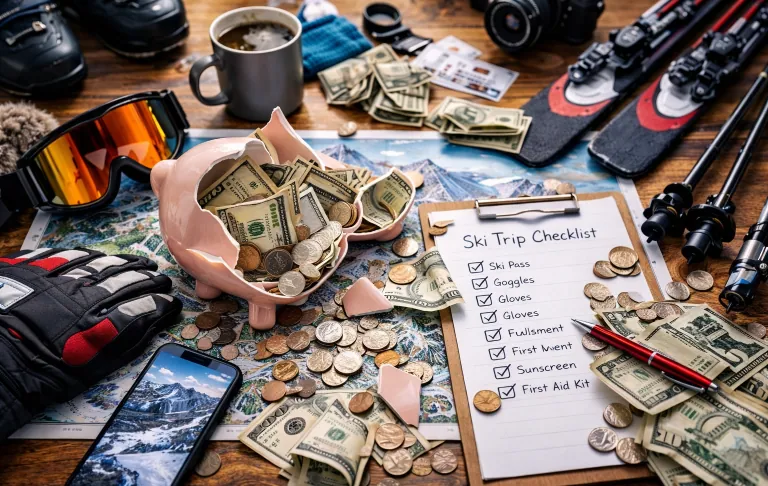
Small expenses quickly add up in a mountain setting. A common mistake is not keeping track of everyday costs.
For example:
- Lunch on the slopes every day
- Small purchases at mountain shops
- Unnecessary upgrades
With the right planning, this can be avoided – see our budget guide – how to make the ski trip cheaper.
Forgetting rest and a backup plan
A ski holiday isn't just about skiing. One mistake is not planning for rest days or alternative activities.
Good options:
- Sledding
- A coffee break in the sun
- Playing in the snow
- Spa or swimming
Variety gives the whole group a better experience.
Summary – how to avoid mistakes on your ski trip
Most ski trip mistakes come down to a lack of planning, mismatched expectations or underestimated logistics. If you choose the right ski resort, pack smart, plan food and transport and adapt the pace to your group, you give yourself a better chance of a successful trip. With small adjustments you can avoid unnecessary stress and instead focus on what actually matters – the experience in the mountains.
🔗 Read more in the ski trip guide