

A sustainable ski trip isn't about giving up the mountains, but about travelling smarter, planning better and making conscious choices that reduce the impact on nature and local communities. Mountain environments are fragile ecosystems, and how we get there, where we stay, what we eat and how we move around once there matters more than many realise. With the right decisions, a ski trip can become both more climate-friendly and more enjoyable.
This guide shows you how to make a more sustainable ski trip – whether your destination is Åre, Sälen or The Alps.
The journey to the mountains – transport makes the biggest difference
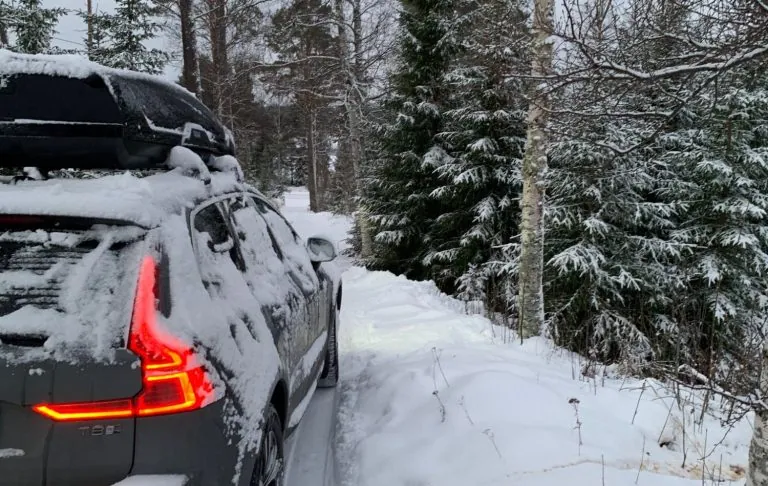
Transport is often responsible for the largest share of a ski trip's climate impact. Choosing the right mode of travel can make a big difference.
More sustainable options
- Train to the mountains or the Alps
- Carpooling
- Direct bus from major cities
Travelling by train to, for example, Åre or across the continent to the Alps significantly reduces emissions compared with flying.
More detail can be found in Travelling to the resort – car, train or plane.
Choose a ski resort committed to sustainability
More and more ski resorts are actively working on sustainability, energy efficiency and local development. As a traveller, you can support these efforts through your choices.
Examples of initiatives:
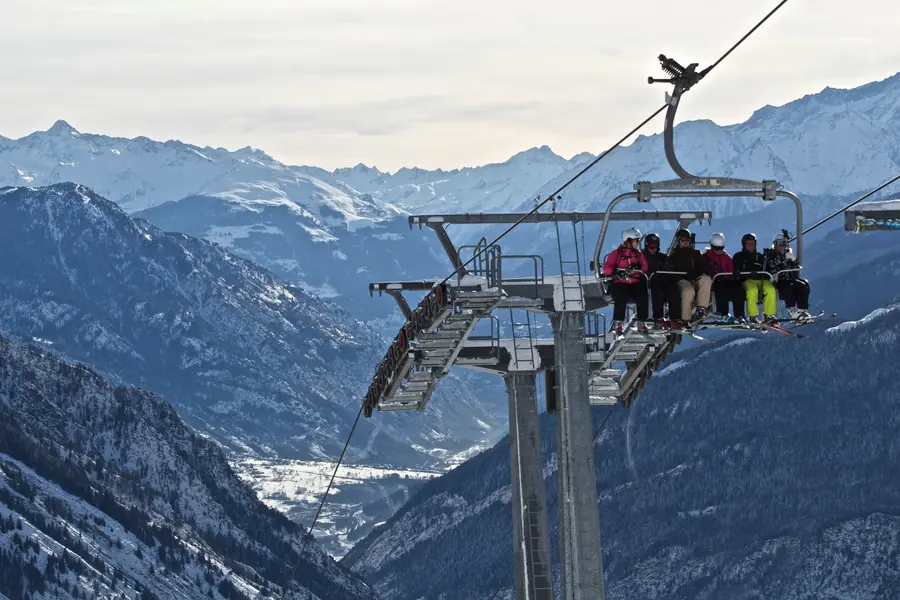
- Renewable energy in lift systems
- Efficient snow production
- Public transport within the ski area
- Local partnerships with restaurants and producers
Larger destinations such as Trysil and Hemsedal have clear sustainability strategies, making them good choices for conscious travellers.
Stay sustainably – cabin, apartment or hotel
Accommodation affects both climate footprint and the character of the trip. Sharing accommodation with more people reduces energy use per person and also creates a greater sense of community.
Sustainable choices
- Fully occupied cabins or apartments
- Eco-labelled hotels
- Accommodation close to lifts and services (reduces driving)
Shared accommodation also makes it easier to plan food and shopping together.

Food on the ski trip – plan to reduce waste
Food is an often-overlooked part of sustainability. With planning, both costs and food waste are reduced.
- Make a shared shopping list
- Plan a weekly menu
- Cook in bulk
- Use leftovers creatively
A ready-made setup for this can be found in Food on the ski trip – the best recipes for a week in the mountains.
Equipment – rent, borrow and reuse
Buying new ski equipment for every trip is neither necessary nor sustainable.
- Rent equipment on site
- Borrow within family or friends
- Buy second-hand
- Choose quality that lasts
This is especially relevant for beginners – see Ski trip for beginners.

Respect the mountain environment
A sustainable ski trip is also about behaviour once you're there.
- Follow marked trails
- Don't leave any litter
- Show consideration for wildlife
- Respect local rules and nature
The mountains aren't just scenery – they're living landscapes that require care, even under the Right of Public Access may apply in Sweden.
Summary – small choices make a big difference
A sustainable ski trip doesn't require perfection, just conscious decisions. By travelling smarter, staying together, planning your food and showing respect for the mountain environment, you reduce your impact while often making the experience even better. The mountains will remain for future generations – if we take care of them today.
Previous & next in the series
- Previous: A ski holiday without skiing
- Next: The 10 best tips for your ski trip



















Social sustainability – travel together, travel inclusively
A sustainable ski trip is also socially sustainable. Planning, clear roles and respect for differences create a better experience for everyone in the group.
Inspiration can be found in A ski holiday without skiing.