





Popular searches

    Bleak roe on rösti – crispy potato, smetana and red onion

    Crispy potato, cold smetana and a generous spoonful of orange roe

    • 4 servings, 8 small röstis
    • Time: 40 min (+ 1 day thawing frozen bleak roe)
    • Difficulty: Easy
    • 10 ingredients
    • 9 steps
    Small golden potato röstis on a dark plate, topped with smetana, a generous dollop of orange bleak roe, finely chopped red onion and dill, with lemon wedges beside them.

    Rösti comes from the canton of Bern in Switzerland, where it was once the farmers' breakfast. The potato is coarsely grated and fried in butter and oil until it holds together like a cake with a crisp surface. Anyone who has made Swedish potato pancakes (raggmunk or råraka) will recognise it, but rösti contains no flour and no eggs – just potato, fat and salt. That is why everything depends on how dry the potato is when it goes into the pan.

    Method

    1. Thaw the bleak roe (the day before). Frozen bleak roe is thawed in its packaging in the fridge for about a day.
    2. Grate the potatoes. Peel the potatoes and grate them coarsely. Work quickly, as grated raw potato darkens after a few minutes.
    3. Squeeze it dry. Put the potato in the tea towel, twist it up and squeeze out as much liquid as possible over the sink. Squeeze once more. More comes out than you think. The drier the potato, the crispier the rösti.
    4. Season. Put the potato in a bowl and mix with salt and pepper using a fork. Do not salt until now, as the salt draws out more liquid.
    5. Heat the pan. Heat the pan over medium-high heat with half the butter and oil, until the butter has stopped foaming.
    6. Shape the röstis. Put a heaped tablespoon of potato in the pan and flatten it with the back of the spoon into a thin cake of 7–8 cm. Thin röstis get crispier. Make four at a time and leave space between them.
    7. Fry slowly. Fry them for 4–5 minutes over medium heat until the underside is deep golden brown and the cake holds together. Turn carefully, add the rest of the butter and oil if needed, and fry for another 3–4 minutes.
    8. Keep them crisp. Put the finished röstis on a rack, not a plate, so the underside does not go soft. Put the rack in the oven at 100°C while the rest are frying.
    9. Plate up. Put two röstis on each plate. Top with a dollop of smetana, a generous spoonful of bleak roe and a little red onion and dill. Serve with a lemon wedge.

    Have you made this recipe? Rate it

    Be the first to rate this recipe.

    More recipes to try

    All recipes →
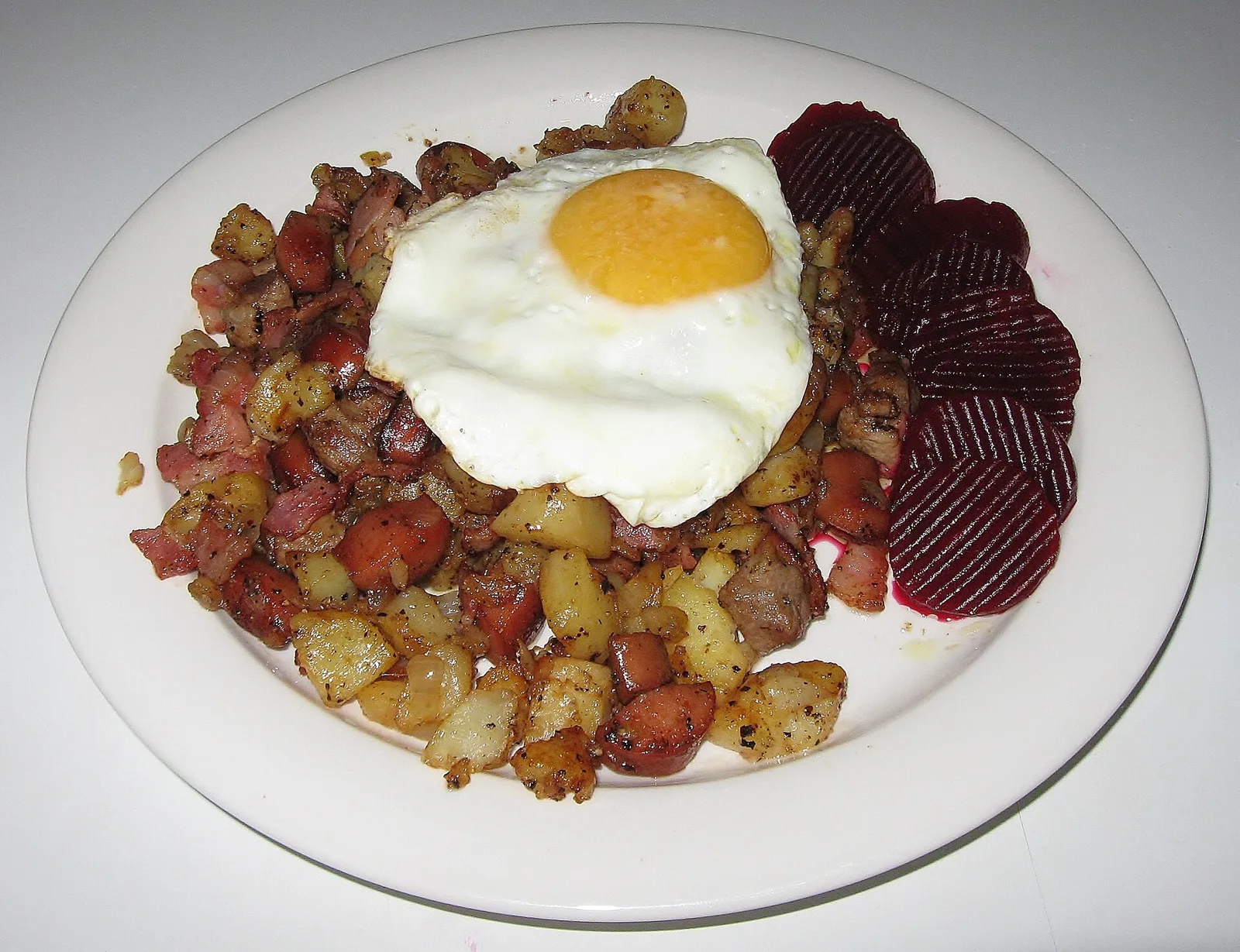
    • Pyttipanna with fried potato, meat and onion pieces, a fried egg and pickled beetroot on a white plate. 🔥 Over fire

      Pyttipanna over an open fire – crispy potatoes, fried egg and beetroot

      🍽️ 4 servings 🥕 10 ingredients 👣 9 steps

    • Glossy honey-glazed chicken pieces with toasted sesame seeds and shredded spring onion in a bowl, with white jasmine rice and broccoli beside it.

      Sweet honey chicken with garlic, soy and sesame

      🍽️ 4 servings 🥕 19 ingredients 👣 9 steps

    • Two golden, hexagonal crunchwraps with a crispy cheese crust, one cut through to show the mince, melted cheese and lettuce, served with fries and a bowl of dipping sauce.

      Crunchwraps with mince – folded tortillas with a crunchy core and a cheese crust

      🍽️ 4 servings 🥕 21 ingredients 👣 8 steps

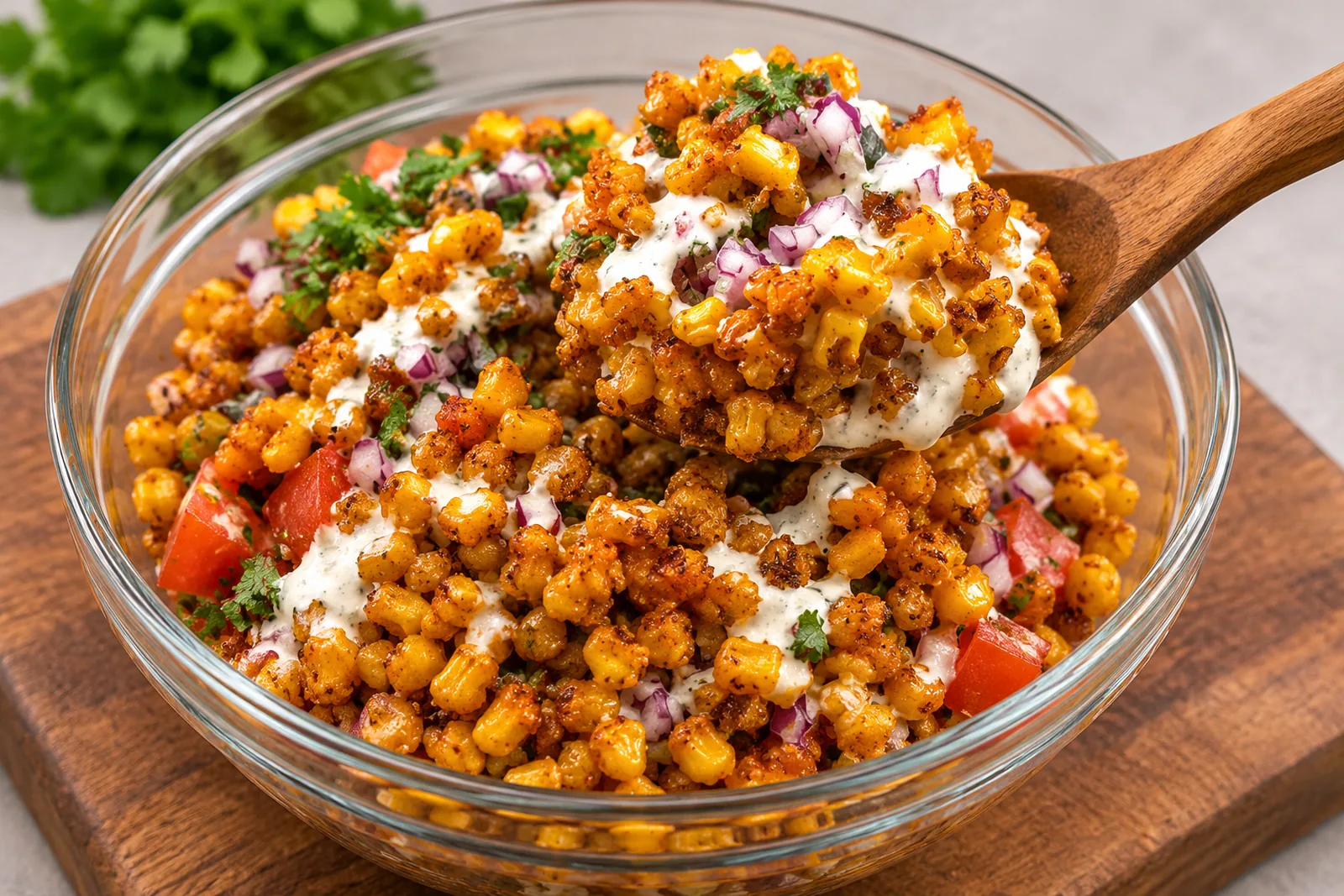
    • Bowl of cucumber, cherry tomato, red onion and feta salad in a white herb dressing, topped with golden roasted corn kernels and chopped dill and parsley.

      Crunchy corn salad – roasted corn, feta and a creamy dill and lemon dressing

      🍽️ 4 servings as a side 🥕 17 ingredients 👣 8 steps

    The Swiss way – with potatoes boiled the day before

    The other way of making rösti is the one many in Switzerland prefer, and it suits New Year's Eve especially well because half the work is done the day before.

    • The day before: boil the potatoes in their skins for 10–12 minutes, so they are cooked on the outside but firm in the middle. Let them cool and refrigerate overnight.
    • On New Year's Eve: peel the potatoes and grate them coarsely. They do not need squeezing, as cold, par-boiled potato does not release liquid.
    • Fry as above. The röstis turn out a little softer inside and just as crisp outside, and they do not fall apart as easily.

    Bleak roe (löjrom) – what you need to know

    Löjrom is roe from vendace. The best known, Kalix löjrom, comes from the Bothnian Bay off the Norrbotten coast and was the first Swedish product to receive protected designation of origin in the EU. The fishing takes place in autumn, and the roe is lightly salted and frozen. That is why you almost always buy it frozen, which is exactly right.

    • Thaw in the fridge. One day in the fridge, in its packaging. Never thaw it at room temperature or in warm water – the eggs go soft and runny.
    • Do not refreeze. Thawed bleak roe should not be frozen again. Eat it within a couple of days.
    • Keep it cold. Put the jar in a bowl of ice on the table. Bleak roe should not stand out long in a warm room.
    • A spoon of wood, plastic or mother-of-pearl. Traditionally a silver spoon is not used, as silver can give a metallic taste.

    Smetana or crème fraîche?

    Smetana is a Russian soured cream with a slightly higher fat content and milder acidity than Swedish gräddfil (soured cream). It is the classic companion to bleak roe. Crème fraîche works just as well and is sold in more shops. Soured cream also works, but is thinner and a little tangier. Do not stir anything into the smetana – leave it pure and cold, so the roe can shine.

    Timeline for New Year's Eve

    • Wednesday 30 December: move the bleak roe from the freezer to the fridge. If you choose the Swiss version: boil the potatoes and chill them.
    • New Year's Eve 15:00–16:00: grate the potatoes and fry all the röstis. Let them cool on a rack and then keep them chilled, covered.
    • 17:00: chop the red onion and pick the dill. Put the smetana, red onion and dill in small bowls in the fridge.
    • 15 minutes before the starter: set the oven to 225°C. Put the röstis on a rack on a tray.
    • At starter time: heat the röstis for 6–8 minutes until hot and crisp again. Top them straight away and serve.

    The röstis can also be fried an hour ahead and kept warm on a rack in the oven at 100°C. If the oven is taken up by the main course, you can also crisp them up in a dry frying pan.

    How much bleak roe per person?

    As a starter, 20–25 grams of bleak roe per person is enough, so 80–100 grams for four. If you really want to splash out, allow 30–40 grams per person. Two small röstis per person is about right before a larger main course.

    Tips for crispy rösti

    • Squeeze once more. The most common reason for soggy rösti is that the potato was not squeezed enough.
    • Butter and oil. The oil can take the heat, the butter gives flavour and colour. Butter alone burns, oil alone has less flavour.
    • Medium heat, not maximum. Too high heat burns the outside before the potato is soft inside.
    • Thin cakes. A thin rösti gets crisp all the way through. A thick one stays soft in the middle.
    • Rack, not plate. Steam from the hot röstis makes the underside soft if they lie directly on a plate.

    If you are pregnant

    Bleak roe is raw, lightly salted roe that is eaten without heating. Livsmedelsverket (the Swedish Food Agency) has no specific advice on roe for pregnant women, but listeria can grow in chilled products that are not heated, and the Finnish Food Authority advises pregnant women and other at-risk groups to eat unpasteurised roe only after heating. If you are pregnant, it is therefore safest to skip the bleak roe or ask your midwife. The röstis with smetana, red onion and a little dill are delicious anyway, and a warm, freshly fried piece of salmon or a few warm prawns work as a topping instead.

    Allergens: bleak roe is fish. Smetana, crème fraîche and butter contain milk. The rösti contains no gluten or eggs, and with vegetable fat and oat-based crème fraîche it is dairy-free.

    Rösti with children

    Small röstis are perfect to make together with children, and many children like them better than bleak roe.

    • rinse and peel the potatoes
    • twist and squeeze the tea towel – it is like wringing out a flannel
    • shape small cakes with the spoon while an adult keeps an eye on the pan
    • choose their own topping, for example smetana and chives or a little ketchup

    Vary the rösti

    • Celeriac: swap a third of the potato for grated celeriac for a more aromatic rösti.
    • Sweet potato: mix half potato and half sweet potato. It becomes sweeter and softer.
    • One big rösti: fry all the potato as one big cake in the pan and cut it into pieces – more like in Switzerland.

    Common mistakes

    • Wet potato – the rösti falls apart and turns soft. Squeeze out all the liquid.
    • Salting the potato too early – the salt draws out liquid. Salt just before frying.
    • Röstis too thick – they never get crispy in the middle.
    • Stacking the finished röstis – they steam and go soft. Put them on a rack.
    • Thawing the bleak roe on the worktop – the eggs go soft. Thaw it in the fridge for a day.
    • Mixing the smetana with seasonings – leave it pure and let the roe shine.

    Frequently asked questions

    How do you get rösti crispy?

    Squeeze the grated potato as dry as possible in a tea towel, salt just before frying, make thin cakes and fry them over medium heat in butter and oil. Put the finished röstis on a rack.

    Can you make rösti ahead?

    Yes. Fry the röstis in the afternoon and let them cool on a rack. Heat them in the oven at 225°C for 6–8 minutes just before serving and they turn crisp again.

    Which potato is best for rösti?

    A floury or all-round potato such as King Edward gives a crisp surface and a soft centre. Waxy potatoes also work, but turn out a little chewier. Par-boiled potatoes from the day before are the classic Swiss way.

    How do you thaw bleak roe?

    In its packaging in the fridge, for about a day. Never thaw it at room temperature. Thawed bleak roe should be eaten within a couple of days and must not be refrozen.

    How much bleak roe do you need per person?

    20–25 grams per person for a starter, so 80–100 grams for four. For a really generous starter, allow 30–40 grams per person.

    More guides and recipes to read

    More for the New Year's Eve dinner

    The whole New Year's Eve menu

    Starters, mains and desserts for New Year's Eve – and what can be made the day before.

    To the New Year's Eve menu

    Hot stone grill at the table as the main course

    After the bleak roe, everyone cooks their own beef fillet, game or scampi on the hot stone – the dinner becomes a party in itself.

    To the hot stone grill

    New Year in the mountains

    Röstis and bleak roe work just as well in a mountain cabin – more ideas for a New Year's Eve among snow and fells.

    Read about New Year in the mountains