The deciding factor
The choice of holiday type is often more decisive than the destination itself. The same place can feel completely different depending on whether you're staying in a tent, a caravan, a cabin, a hotel or at an all-inclusive resort. For families with children, the choice is rarely about comfort in itself, but about how well everyday life works during the trip.
This guide helps you understand the differences between the most common types of holidays and how they suit different family situations, ages and needs. The goal isn't to point to one “best” solution, but to help you choose what's right for you. This is part of our guide series on Holidays in Sweden

Start with the family's basic needs
Before comparing different types of holidays, you need to be clear about your family's actual needs. Many choose accommodation based on ideals or expectations, rather than reality.
Questions that should guide the choice:
- How old are the children right now?
- How important is flexibility in everyday life?
- Can you handle logistics and planning on site?
- Is rest or activity more important on this trip?
If you're unsure how these factors affect the overall picture, the guide
how to plan a family holiday in Sweden is a good starting point.

Camping – freedom, closeness and flexibility
Preschoolers are often curious and energetic, but still strongly dependent on structure. A holiday at this age works best when the days are simple, repetitive and easy to grasp.
What tends to work well:
- the same type of activity several days in a row
- a clear start and end to the day
- playgrounds, swimming or nature where the child can move freely
- short outings rather than full days
For children this age, it's often more important to do the same thing again than to constantly experience something new. That might mean the same beach, the same forest trail or the same camping area.
Camping, especially with access to play areas and swimming, is often a strong choice. At the same time, the logistics need to be simple. A good starting point is to combine planning from the guide camping and tenting in Sweden with realistic daily goals.
Caravan and motorhome – a secure base with mobility
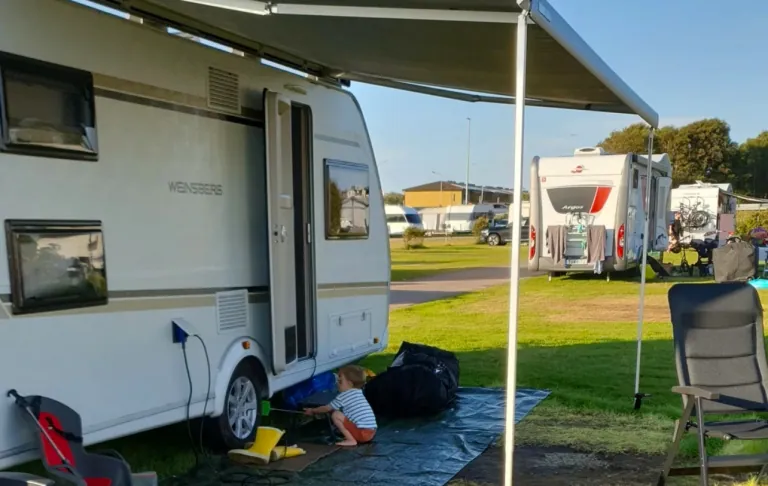
A caravan or motorhome combines mobility with security. For children, this means the environment stays familiar even as the location changes, which often reduces stress.
Advantages:
- own kitchen and fixed routines
- easy to adapt to the weather
- possibility to change location without repacking
- good balance between freedom and structure
Challenges:
- requires driving experience
- planning of campsite pitches
- can get cramped during longer stays
This type of holiday often suits families who want to travel around but still keep control over everyday life. More on this in
caravan holidays and motorhome life.
Hotel – simplicity but less room to manoeuvre
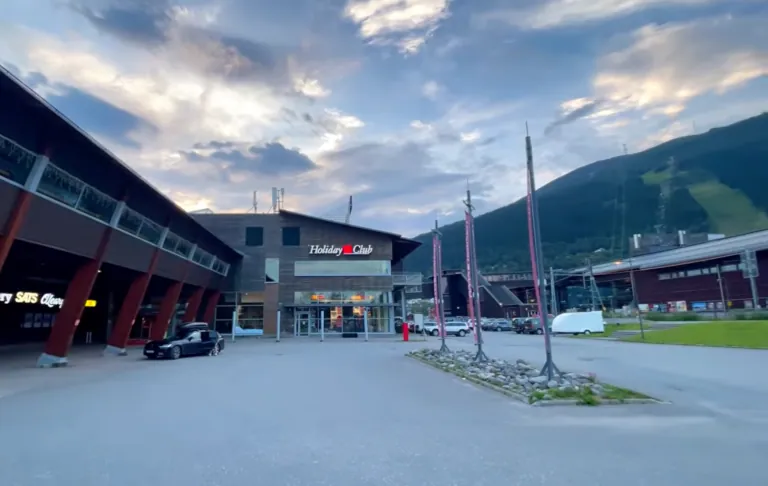
A hotel is often the simplest choice in practical terms. For shorter stays it can work very well, especially when the children are small or when the trip involves a lot of activities outside the accommodation.
Advantages:
- minimal responsibility
- cleaning and service included
- often centrally located
Challenges:
- limited space
- fixed meal times
- less flexibility when children are tired
Hotels work best when the days are short and the content is clear. For longer family holidays, the limitations can become more noticeable.
All-inclusive – convenient but not always right
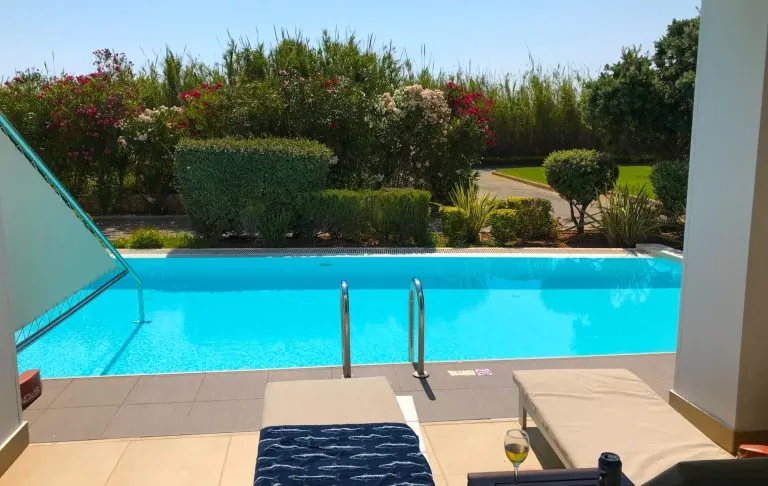
All-inclusive appeals to many families with children because it offers predictability, simplicity and a clear framework for the days. For some families this is exactly what's needed – for others it can feel limiting.
Advantages:
- food is available loosely throughout the day
- kids' activities and kids' clubs on site
- minimal planning during the trip
- a clear cost picture in advance
Challenges:
- less flexibility in everyday life
- limited space to withdraw
- risk of the pace being dictated by schedules
- harder to adapt the days to the children's mood and energy
All-inclusive often works best:
- for shorter trips
- when the children are at ages that appreciate organised activities
- when the family has a clear need for a break from everyday logistics
For families looking for more freedom and the ability to control the days themselves, other types of accommodation may work better. This is closely linked to how the pace of the trip affects children, which is explored further in near adventure parks or big attractions.
Cabin or apartment – a balance between everyday life and holiday
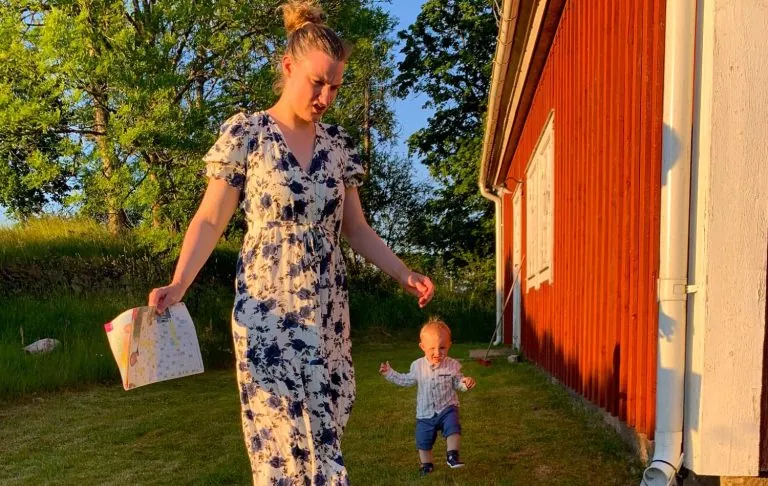
Renting a cabin or apartment is, for many families with children, one of the most balanced types of holiday. It combines personal space and routines with the chance to explore the surroundings at your own pace.
Advantages:
- own kitchen and flexible meals
- plenty of room for the children
- easy to create calm evenings
- works in any weather
Challenges:
- requires more responsibility than a hotel
- planning of outings is up to you
- varying standard depending on the accommodation
This type often suits families who want a holiday feeling without fully letting go of everyday structure. It's especially appreciated for longer stays or when children need clear routines.
How age affects the choice of holiday type
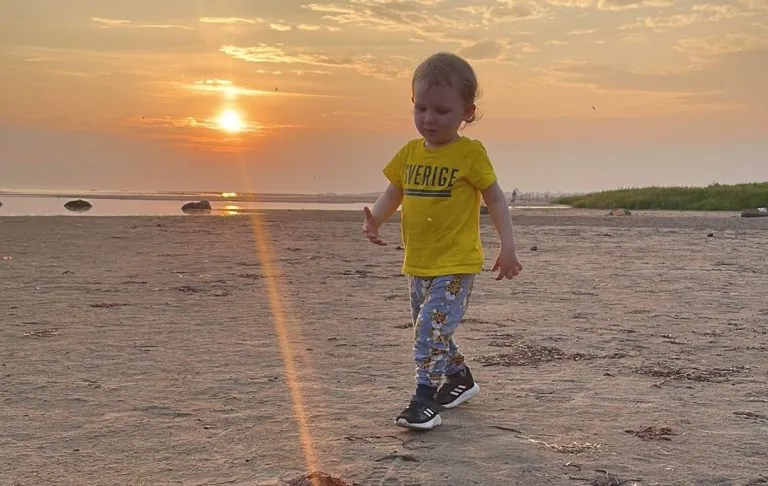
The same type of holiday can work very differently depending on the children's age. What's smooth one year can be less suitable the next.
General patterns:
- small children often benefit from a secure base and short days
- younger school-age children appreciate accommodation with play areas and freedom to move
- older children and teenagers need variety and involvement
Choosing the type of holiday based on age reduces the risk of frustration and makes it easier to adapt the pace. A deeper look at this is available in
a holiday with kids – what works at different ages.
Common wrong choices – and how to avoid them
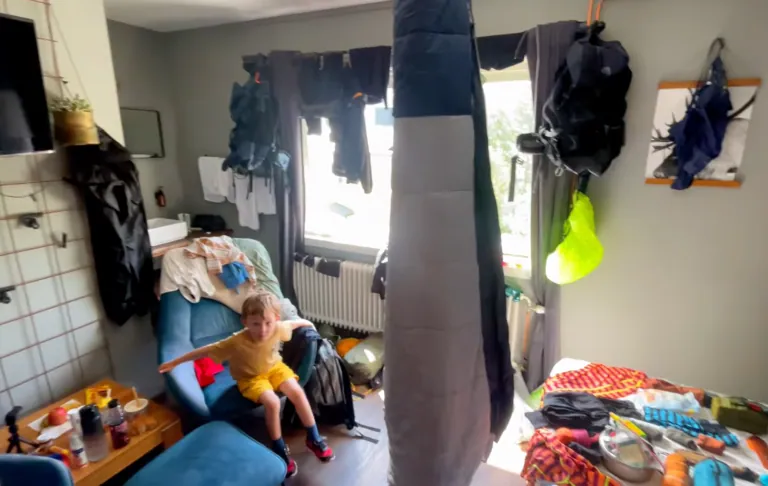
Many families choose a type of holiday based on what “sounds good”, rather than what works in practice. Common mistakes include:
- choosing too little space for longer stays
- underestimating the need for flexibility
- believing comfort always brings calm
- disregarding the children's actual needs
These pitfalls are described in more detail in the guide common mistakes with family holidays.
Summary: the right form beats the right place
There's no universal type of holiday that suits every family. There is, however, a clear link between:
- the children's age
- need for flexibility
- tolerance for logistics
- desired pace
By choosing the type of holiday based on these factors – rather than ideals or trends – you increase the chance that the holiday will be calm, functional and memorable.
Often it's not the destination that determines whether the holiday succeeds, but how well everyday life works on site.
Related guides & holiday inspiration
If you want to refine your planning and tailor the holiday to your own family, these guides can help you further:


100 Swedish Hiking Trails!
Looking for the perfect hiking trail? We've gathered 100 of Sweden's most interesting, challenging, and scenic hiking trails in one list!