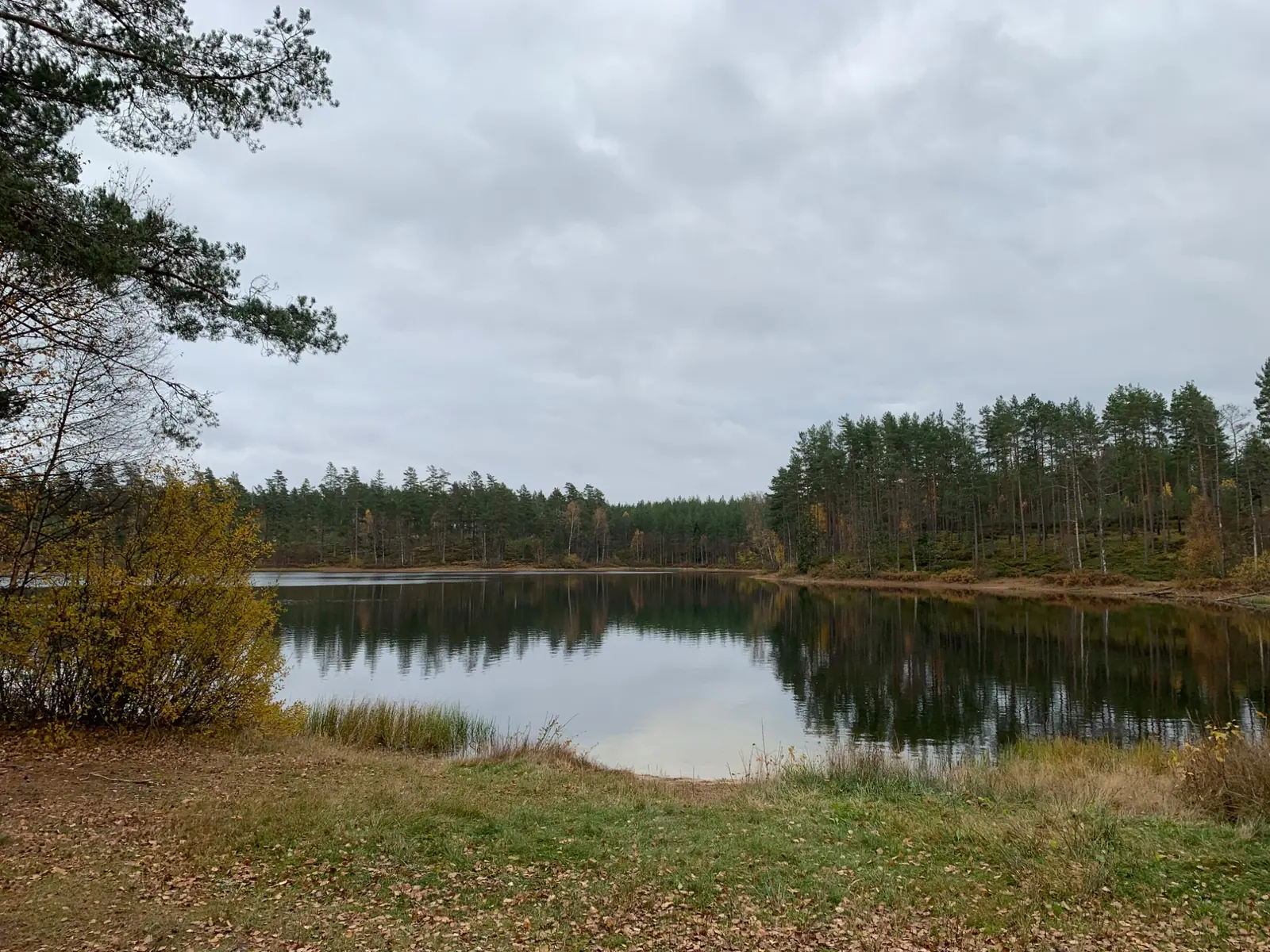
Complete guide to lakes, put and take, fly fishing, spin fishing, accommodation and fishing tips year-round
Hökensås as an overall destination
Hökensås Sportfiske is one of Sweden's most established and well-known sport fishing areas and has attracted anglers from across the country for several decades. The area is especially known for its extensive put-and-take fishing, but also offers a variety and breadth that lets beginners, families and highly experienced anglers alike find waters that suit their own style of fishing. Easily accessible lakes are combined here with more demanding waters, clear management and a strong tradition of sustainable fishing.
Hökensås also functions as a summer area where several other classic fishing and nature areas are included. In this context, both Tiveden and Baltak are natural parts of the whole. Together these areas create an unusually complete experience where still water, river fishing, forest, open landscapes and accessible infrastructure meet.
For many, Hökensås isn't just about the fishing itself, but about the whole picture: the chance to get close to nature, fish in well-maintained waters, stay comfortably nearby and at the same time feel the fishing is run with a long-term view and respect for both fish and environment. It's exactly this combination that means Hökensås keeps its position, year after year, as one of Sweden's most appreciated sport fishing areas.
What is Hökensås Sportfiske?
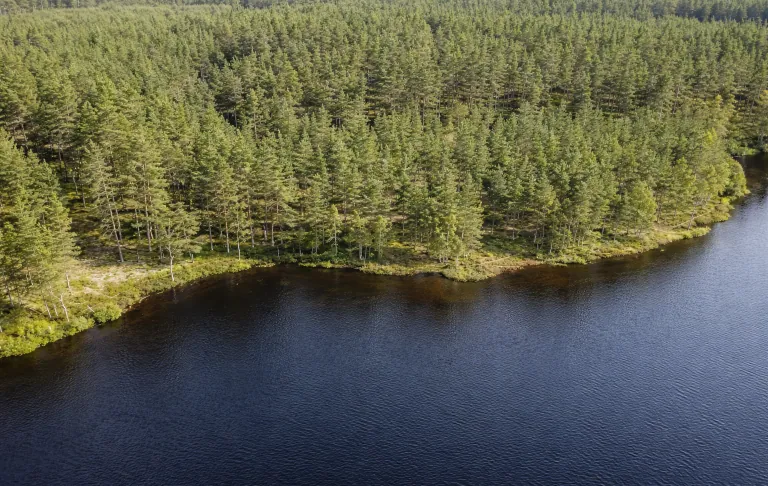
Hökensås Sportfiske is located in Västra Götaland, between Tidaholm and Habo, and covers a large forest area with an extensive network of lakes, ponds and specialty waters. The area is known for its clear structure where different lakes have different rules, permits and character, which makes it possible to adapt the fishing to both experience and preference. It's also this structure that makes Hökensås unusually educational for those who want to develop as anglers.
Unlike many smaller put-and-take waters, Hökensås is a connected area where the fishing takes place in natural-feeling settings. The lakes or ponds are often tucked into the forest, with varying bottoms, depths and vegetation, which creates different conditions for the fishing depending on weather, season and method. This means the fishing rarely feels monotonous, even for those who return often.
Hökensås is also an area where management, fish farming and fishing are connected in a thoughtful way. Through its own breeding and controlled stocking, good fish quality can be ensured while rules and limits are in place to preserve the experience over time.
The history behind Hökensås
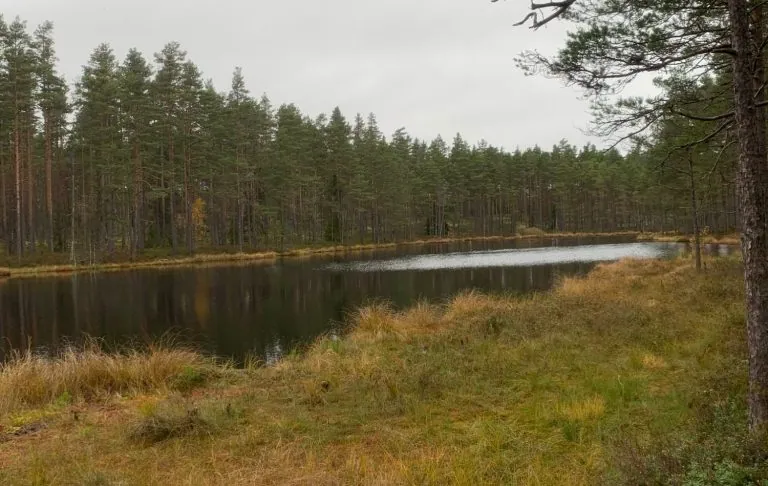
The history of Hökensås Sportfiske is closely tied to the development of sport fishing in Sweden during the 20th century. The area began being used for fishing early on, but it wasn't until organized management and fish farming were established that Hökensås took on its current form. Through dedicated work, a system was built that made the fishing accessible to many, without losing quality or sustainability.
The fish farms have played a central role in this development. Through its own farming of rainbow trout and brown trout, among others, Hökensås has been able to control both the quantity and quality of stocking. This has made it possible to create waters suited to different types of fishing, from easily accessible family fishing to more selective waters for experienced fly fishers. At the same time, fishing pressure has been managed in a way that doesn't overuse individual lakes.
Over the years, Hökensås has developed into something more than just a fishing area. It has become an institution within Swedish sport fishing, where knowledge, tradition and modern management meet.
Fishing permits, rules and sustainable fishing
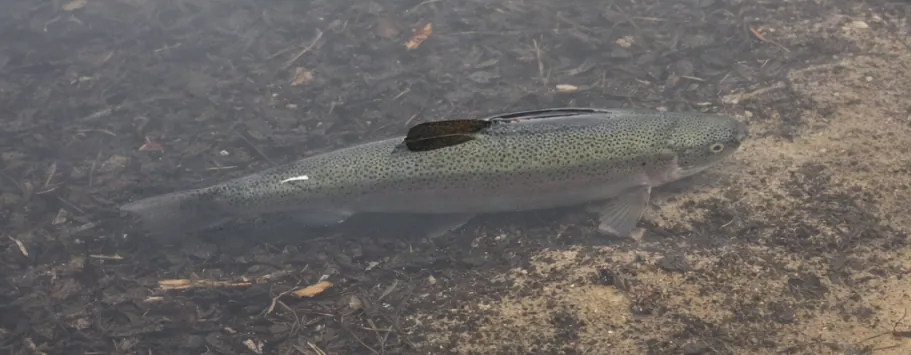
To fish at Hökensås, a valid fishing permit is required, and it's important to understand that different lakes can be covered by different permit types. The system is built to provide clarity while also creating the right conditions for sustainable fishing. Some lakes are included in a basic permit, while others require special add-ons or separate permits depending on character and fishing pressure.
Fishing permits for Hökensås are most easily bought digitally via iFiske – Hökensås fishing permit, where current rules, maps and conditions are always kept up to date. It's strongly recommended to read through the rules carefully before starting to fish, since permitted methods, number of fish and release requirements can differ between waters.
Sustainable fishing is a central part of Hökensås' philosophy. This means not just following catch limits, but also showing consideration for other anglers, for nature and for the fish's welfare. Catch and release is encouraged in many contexts, and correct handling of fish is essential for the populations to keep their high quality. The complete and current rules are gathered at Hökensås rules page.
The lakes at Hökensås
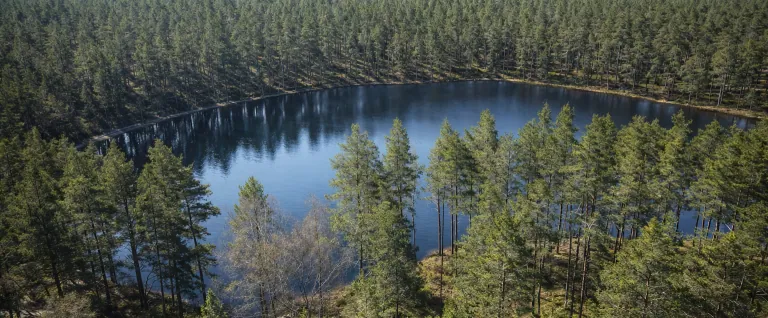
The lakes are the very heart of Hökensås Sportfiske, and it's here the area's strength really becomes clear. Unlike many other put-and-take facilities, Hökensås isn't about a handful of waters, but an entire system of lakes with different character, rules and fishing pressure. This means you as an angler can choose a water based on experience, method, weather and the kind of experience you're after that day.
Some lakes are easily accessible and suited to beginners or families, while others are more demanding and best suited to experienced anglers who want to fish more selectively. What all the lakes have in common is that they're actively managed, meaning continuous monitoring, adapted stocking and clear rules. This means the fishing maintains an even quality over time and each lake keeps its own identity.
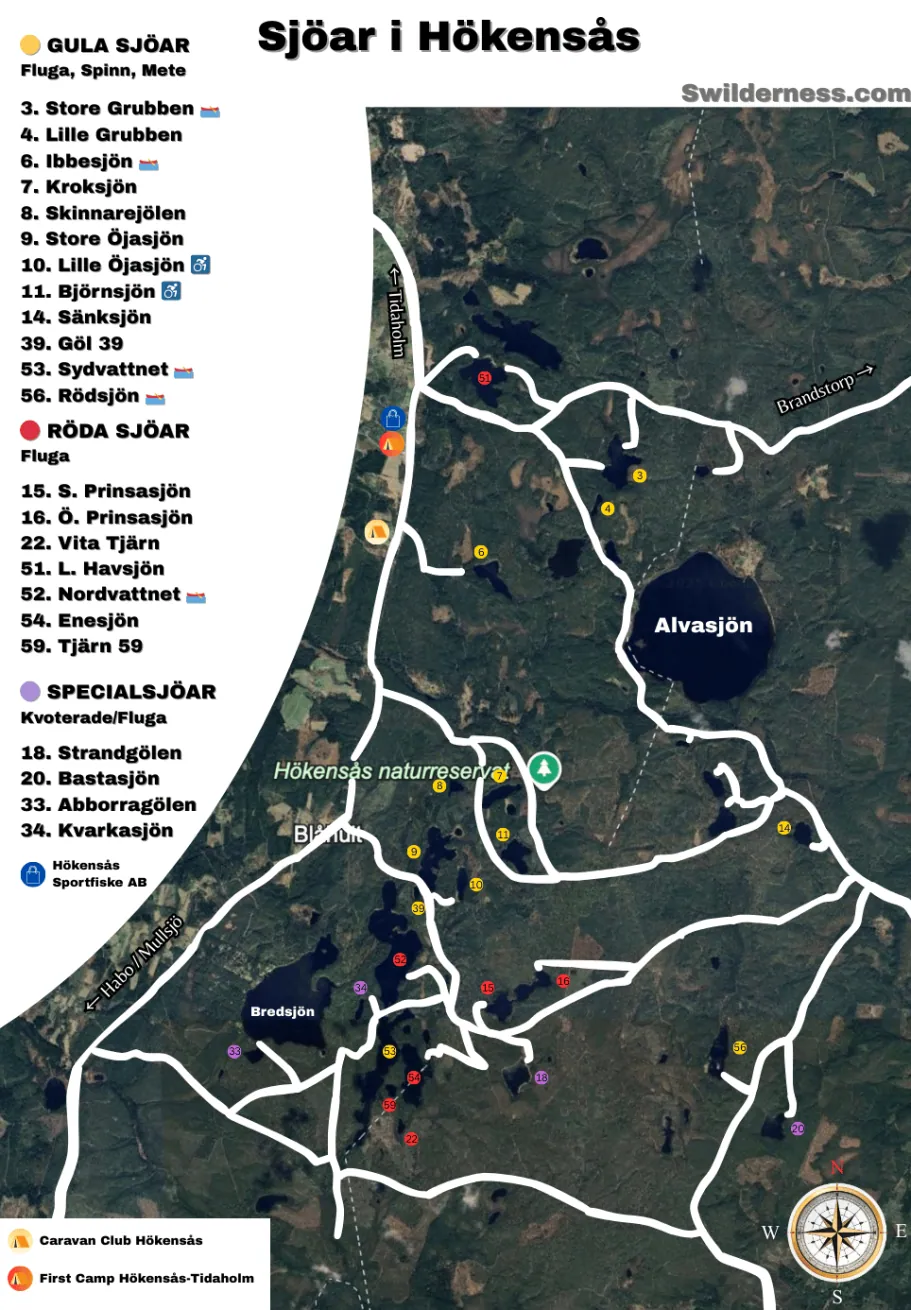
See the map below for the exact location of the lakes at Hökensås. The map shows roads, the lakes' numbers and the easiest way to find the right fishing water in the area.
🟡 Lakes with the yellow fishing permit
The lakes covered by the yellow permit are often the most accessible and popular waters at Hökensås. These lakes are well suited to both spin and fly fishing and often work well if you want to fish actively for a shorter while or if you're new to the area.
Björnsjön ♿ is a relatively easy-to-fish lake with distinct edges and varied depth. It mainly holds rainbow trout and sometimes brown trout, and the lake is well suited to both fly fishing with nymph and streamer and spin fishing with smaller spoons. Its open character also makes it popular in calm weather.
Göl 39 is a smaller water where the fishing is often intense but demands precision. The lake is well suited to shorter sessions and technical fishing, where light tackle and careful choice of lure or fly make a big difference. A good option for those wanting to refine their technique.
Ibbesjön is a calm, relatively accessible lake with soft bottom contours and distinct shallow areas. It suits both fly and spin fishing well, where nymphs, small streamers and lighter spoons work effectively. The lake is often a good choice in varying weather conditions and suits both beginners and more experienced anglers.
Kroksjön has a more sheltered character and is partly surrounded by forest, which makes it pleasant even in windy conditions. The fishing mainly happens along edges and around smaller bays where the fish like to patrol. Fly fishing with nymph or dry fly during calm periods can give fine results, while spin fishing works well when the fish are active.
Kvigsjön is somewhat deeper and works well in warmer weather when the fish head down. Streamer fishing with a fly or slowly fished lures with a spinning rod often give the best results here.
Lille Grubben is smaller and more concentrated, which makes it suitable for shorter fishing sessions. The fishing here can be intense, but sometimes requires a finer presentation. For beginners this is a good lake to practice technique on without needing to cover large areas.
Lille Öjasjön ♿ is accessibility-adapted and easy to reach, which makes it a very good choice for all types of anglers. The lake is easy to overview and well suited to methodical fishing with fly or spin gear. It's often effective here to carefully fish the edges with calm presentations.
Rödsjön is an open lake with good visibility and relatively even depth. The fishing here often benefits from mobile methods, covering larger areas with spin gear or streamers. The lake is a good choice when you want more dynamic fishing and the chance to quickly find active fish.
Skinnarejölen is a smaller lake with concentrated fishing, where presentation and pace are often decisive. The fish here can be wary, which means light tackle and discreet lures give the best results. The lake especially suits fly fishers who appreciate technical fishing in smaller waters.
Store Grubben is a somewhat larger, more nutrient-rich lake where the fish are often active. Spin fishing works very well here, especially along the edges, but fly fishers can also have fine evenings during the summer half of the year. The lake suits those who want contact with fish and want to learn to read still water.
Store Öjasjön is an open and relatively large lake with varying depth, which gives good conditions during most of the season. Both fly fishing and spin fishing work well here, especially along deep edges and around points. The lake is popular for longer fishing sessions and gives the chance to try several methods during the same day.
Sydvattnet is a somewhat elongated lake with distinct lanes where the fish like to move. Spin fishing along the edges works very well here, but fly fishing can also be effective on calm evenings. The lake suits both active search fishing and a more methodical approach.
Sänksjön is characterized by somewhat deeper stretches and calmer fishing. It works well during warmer periods when the fish head down into the water column. Streamer fishing or slowly fished lures near the bottom often give the best results, especially in the middle of the day.
🔴 Lakes with the red fishing permit
The lakes covered by the red permit are generally more selective and aimed mainly at anglers seeking a calmer pace and a more natural fishing experience. Fishing pressure here is often lower, while the demands on presentation, technique and adapting to conditions are generally higher. These lakes are especially well suited to fly fishing with a focus on methodical, respectful fishing.
Enesjön is an easy-to-overview fly lake well suited to controlled, methodical fishing. It's often effective here to fish smaller areas carefully rather than changing spots often.
Lilla Havsjön is a fly lake with somewhat varying depth, which makes it useful during different parts of the season. Streamer fishing can work well when the fish go deeper, while nymph is a good option in calmer conditions.
Nordvattnet is a somewhat elongated lake where the fish often move along distinct lanes. Fly fishing with nymph or smaller streamers along the edges is a common approach. The lake suits calm, focused fishing well.
Södra Prinsasjön is a fly lake with a relatively calm character where presentation and pace are often decisive. The lake is well suited to nymph fishing and smaller streamers, especially when the fish move close to the edges. A good choice for those who appreciate methodical fly fishing.
Tjärn 59 is a smaller water where precision and patience matter a great deal. The lake suits fly fishers who want to refine their technique and work with careful presentations in a limited area.
Vita Tjärn is a smaller, more concentrated water where discreet fly fishing often gives the best results. Light presentations and a calm pace are often the key here. The lake is well suited to shorter sessions and technical fishing.
Östra Prinsasjön offers more open water with room for varied fly fishing. Both nymph and streamer work here depending on activity and weather conditions. The lake suits anglers who want to cover water and read the fish's movement patterns.
🟣 SPECIALTY LAKES
These lakes have quotas and are often more technically challenging to fish. The fishing here benefits from good presentation, precision and an understanding of water structures, especially for fly fishing.
Strandgölen
Strandgölen is one of the most popular fishing spots thanks to its ability to produce large fish, and it's here that many of the biggest trout are stocked. The lake is smaller in area but technically demanding, with varied vegetation and distinct deep edges requiring precision. Fly fishers are rewarded for careful casting technique, especially on the west side where bushes and trees crowd close to the water. The east side offers somewhat more open water where longer casts are easier to execute. Strandgölen is a water where careful presentation and patience often give the best results.
Bastasjön
Bastasjön is a deep, clear lake with relatively large areas where the fish often hold spread out rather than in concentrated lanes. It's common here to use a sinking line and slowly fished flies to reach deeper stretches, especially during summer and autumn. Fishing at Bastasjön rewards patience and the ability to fish large areas systematically. This is a water for those who want to cover depth and learn to read the fish's preferences in more open settings.
Abborragölen
Abborragölen differs from many other put-and-take lakes in its mix of species and character. Besides specialty fish there are also other species here, giving somewhat more varied fishing, where both fly fishing and light spin fishing can be relevant. The lake suits those who want a more flexible fishing experience where you can adapt method to conditions and the fish's activity. Abborragölen offers both structure and variety, which makes it a popular water for anglers focused on both technique and presentation.
Kvarkasjön
Kvarkasjön is a smaller, narrow and elongated water where the forest reaches all the way to the water's edge, making both presentation and casting technique extra important. Almost exclusively brown trout are stocked here, and the fishing can be selective. Fish sizes vary, with most fish in the range of roughly 0.5–1 kg, but there are also individuals outside this range. At Kvarkasjön, small flies are often preferable, and buzzer nymphs or other small pupae work especially well when the surface is active. The fish often hold close to shore, sometimes about a meter out from the edge, and can rise right along the shoreline. So take time to scan the surface before approaching the water, to reduce the risk of spooking fish. The fly fisher who's careful with pace, presentation and casting precision has good chances of success in this water.
Rental lakes at Hökensås
For those who want a more private fishing experience, Hökensås also offers a number of rental lakes. These lakes are booked exclusively, meaning you and your group have the whole lake to yourselves during the booked time. This is a popular option for smaller groups, companies, families or anglers who want to fish undisturbed.
The rental lakes vary in size and character, but what they have in common is that they allow fishing in peace and quiet, without competition from others. Here you can take your time, try different methods and adapt the fishing entirely to your own preferences. For many, the rental lakes are also a good way to introduce kids or beginners to fishing, since the pace can be kept calm and controlled.
Among the rental lakes are Södra Laxagölen, Norra Laxagölen, Lövsjön, Kvigsjön, Norra Englandssjön, Södra Englandssjön, Oxasjön and Hästasjön. Booking and detailed information about each lake is available via https://hokensas.se/hyrsjoar.
Fishing methods at Hökensås
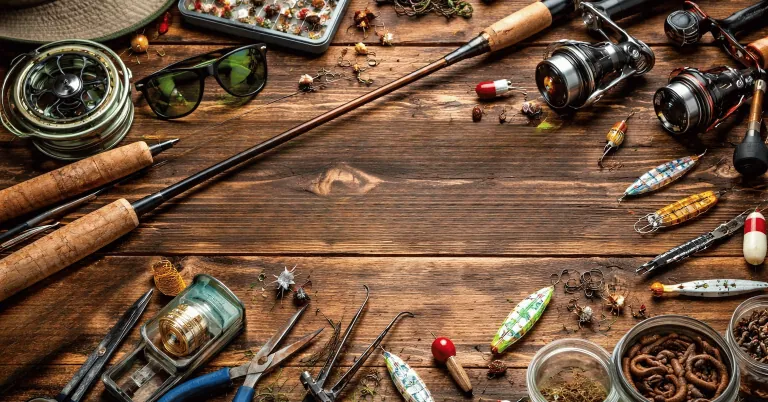
One of the greatest strengths of Hökensås Sportfiske is that the area suits several different fishing methods. There are lakes here excellently suited to still-water fly fishing, but also waters where spinning, spin fishing and bait fishing work very well. This means Hökensås can be visited year-round and by anglers with completely different backgrounds and preferences. Regardless of method, however, it's important to always adapt the fishing to the lake's character, weather conditions and the current rules.
Fly fishing in still water
Fly fishing is a central part of Hökensås' identity, and many of the lakes are excellent examples of how well still-water fishing can work when management is well thought out. Here you often meet fish moving along edges, over deeper stretches or patrolling shallow plateaus depending on temperature and light conditions. Reading the water is therefore essential for success.
Indicator nymph fishing is a very effective method, especially during spring and early summer when the fish often sit somewhat deeper. With the right balance of leader length, fly weight and indicator, you can fish large areas methodically and keep the flies in the right zone for a long time. During warmer periods, dry fly fishing works well, especially in the evenings when insect life is active and the fish rise toward the surface.
Streamer fishing is another important method at Hökensås, especially in lakes with larger area and depth. By fishing streamers slowly along the bottom or over deep edges, you can draw strikes even when the fish are passive. It's often the presentation, rather than the fly's size, that determines the result.
Recommended flies
Among the classic flies for Hökensås are several patterns that have worked well for a long time. Busen is a well-known example and is often used as a streamer or attractor fly, especially when the fish are hard to tempt. Beyond this, various nymphs in natural colors work very well, as do smaller dry flies during hatches.
Fly choice should always be adapted to season, light and water temperature. A limited but well-thought-out fly box goes a long way, provided you fish the flies slowly and at the right depth.
Spin and reel fishing
Spin and reel fishing is at least as popular at Hökensås and works very well in many of the lakes. The advantage of spin fishing is that you can quickly cover large areas and efficiently search for active fish. This is especially valuable in larger lakes or in changing weather.
Spoons in natural colors are often a safe bet, especially when fished slowly with pauses. Spinners work well in lighter wind and when the fish are more active, while wobblers can be effective for deeper fishing. It's important not to fish too fast – especially in colder water, a significantly calmer pace is often needed than many are used to.
Bait fishing with shrimp can also be an effective method in some lakes, where the rules allow it. This kind of fishing especially suits beginners or families, as it allows calm, methodical fishing without advanced equipment. At the same time, it can be surprisingly effective even for more experienced anglers.
Recommended lures
When spin fishing at Hökensås, it's wise to choose lures that can be fished slowly and in a controlled way. Smaller spoons, discreet wobblers and spinners in muted colors often work best. Always adapt your lure choice to visibility and weather, and be ready to adjust both pace and depth during the fishing session.
Fishing tips by season
Fishing at Hökensås clearly varies with the seasons, and by adapting method and tactics to the season, your chances of successful fishing increase considerably.
Fly fishing
Spring fishing
For fly fishers, spring fishing at Hökensås is largely about fishing below the surface. The water is still cold, insect life is limited, and the fish often move slowly, preferring to stay near the bottom. Nymph fishing with a slow, controlled presentation is therefore often the most effective method. Indicator fishing or using a light sinking line makes it possible to keep the fly in the right zone for longer, which is crucial when the fish aren't actively feeding on the surface.
During spring, deeper stretches, drop-offs and lakes that warm up early are often the most productive spots. Presentation matters more than casting distance – shorter, controlled casts with good depth control often give better results than covering large areas.
Unlike later in the season, spring's food supply is often dominated by larger insects in larval and nymph stages, which means larger imitations can be more effective than very small flies.
Recommended flies – spring
- Pheasant Tail Nymph
- Hare's Ear
- Dark nymphs in size 12–16
Larger imitations that often work well during spring:
- Damselfly nymphs
- Freshwater sowbugs
- Stonefly in the larval stage (especially during May)
Summer fishing
During summer, Hökensås' full range of fly fishing opens up. Once the water has stabilized and insect life picks up, dry fly fishing often becomes very rewarding, especially on warm, calm evenings. Hatches of mayflies, caddisflies and damselflies mean the fish like to rise to the surface, sometimes during short but intense periods.
In the middle of the day, when the sun is high and the water gets warmer, the fish often head deeper. Under these conditions, nymphs and smaller streamers often work better than dry flies. During damselfly hatches, the fishing can become very intense, especially in vegetation-rich lakes and along reed edges where the fish patrol for food.
Recommended flies – summer
Dry flies
- Parachute Adams
- Caddis (Elk Hair Caddis, Spent Caddis)
Nymphs and pupae
- Damselfly nymphs
- Caddis pupae
- Corixa / backswimmer imitations
Other
- Smaller streamers
- Leech imitations, especially effective in bays and vegetation-rich areas
Late-summer fishing
As late summer sets in, the fish's behavior gradually changes. Hatches become fewer, but the fish are often still active – especially in the morning and evening. A combination of nymphs and streamers works very well during this period, and fish that were previously surface-active now gradually begin to focus more on larger prey.
This is also when many fly fishers start getting really good results by fishing more methodically, reading the water and adapting pace and depth. The fish often hold deeper during the day but move shallower during cooler periods.
Recommended flies – late summer
- Smaller streamers in natural colors
- Buzzers
- Nymphs with a distinct silhouette
- Caddis pupae
Autumn fishing
Autumn fishing at Hökensås is often underrated but can be among the best of the entire season. As the water cools, oxygen levels rise, and the fish become more active in their feeding ahead of winter. During this period, streamer fishing becomes increasingly important, preferably with a sinking or intermediate line to reach the right depth and present the fly slowly.
Larger flies fished at a calm pace often give the best results. The fish can be selective, but once the right depth and speed are found, the fishing is often rewarded with clear, powerful strikes. Patience is essential – it's not uncommon for the fishing to pick up only after a longer period of methodical fishing.
During late summer and autumn, terrestrial insects also play a big role. Imitations of, for example, bees, wasps and beetles are classics at Hökensås and can be decisive when other fishing is slow. At the same time, buzzers also occur during autumn, often in smaller and more discreet hatches.
Recommended flies – autumn
Streamers
- Streamers in black, olive and brown
- Fished slowly with a sinking or intermediate line
Terrestrial insects
- Wasp and bee imitations
- Beetles
Other
- Larger attractor flies, such as the Busen
- Buzzer pupae, including emerging pupae
- Damselfly nymphs, especially early in autumn
From October, as the water cools, the fish's behaviour changes and fishing is often more about provoking a strike than imitating natural food. During late autumn and into winter, larger and more visible streamers can be effective. Orange streamers and classic patterns like the Bobby fly often work well during this period. When the water gets even colder later in winter, pink, larger and bushier flies can be an alternative with a slow presentation.
Streamers – late autumn / winter
- Orange streamers
- Bobby fly, orange
- Large, bushy streamers in pink tones, closer to winter
Winter fly fishing (ice-free)
During mild winters, or periods when the ice hasn't yet formed or has temporarily melted, ice-free winter fishing at Hökensås can be surprisingly rewarding. The fish are then considerably more sluggish than during autumn and summer, but they still feed – more selectively and often with longer pauses between strikes.
For fly anglers, winter fishing is almost exclusively about a slow presentation at depth. The fish often gather in the deeper parts of the lakes where the temperature is more stable. An intermediate or sinking line is essentially a requirement, and fishing should be methodical, with a very calm retrieve and long pauses.
When the water becomes really cold, the fishing changes further and is largely about provoking a reaction strike rather than imitating natural food. During this period, larger and bushier streamers can be more effective than small imitations. In our experience, orange streamers often work well in late autumn and early winter, while pink flies can be a strong alternative the colder the water gets. Orange roe imitations can also work as a clear trigger in cold water.
Even with a spinning rod, winter fishing can work in ice-free lakes, especially with small, slowly fished lures. Pace is absolutely crucial – what works in autumn is often far too fast when the water is cold.
Recommended flies – winter (ice-free)
- Large, bushy streamers in orange (late autumn / early winter)
- Large streamers in pink (cold water / winter)
- Orange roe imitations
- Dark attractor flies, fished extremely slowly
- Heavily weighted nymphs, for very careful fishing
Spin and reel fishing
Spring fishing
When the ice breaks up and the water is still cold, spring spin fishing is often a game of precision. The fish move slowly and tend to gather in deeper areas where the temperature is more stable. The key to success is fishing slowly and in a controlled way, close to the bottom or along deep edges.
Small to medium-sized lures with a subtle action work best. Spinners and spoons in natural colours often give better results than brightly coloured lures. Avoid fast retrieves – long pauses and contact with the bottom are often what triggers a strike.
Recommended lures – spring
- Small spoons in silver or copper
- Spinners size 1–2
- Light jigs fished slowly near the bottom
Summer fishing
During summer, spin fishing at Hökensås becomes more varied and active. The fish spread out across the lakes and follow the food, which means both fishing close to shore and over deeper water can work very well. Early mornings and late evenings are often the best times, especially on warm days.
On days with high temperatures, the fish may move deeper, requiring heavier lures or slower presentations. Spinners with a slightly larger body and spoons that can be fished deep without losing their action are often effective.
Recommended lures – summer
- Spinners size 2–3
- Spoons in natural colours
- Smaller wobblers fished shallow morning and evening
Late-summer fishing
Late summer often brings stable water, good oxygen levels and active fish. During this period, spin fishing can be very productive, especially in lakes with larger fish. The fish start feeding up ahead of autumn and are often more inclined to take slightly larger lures.
Both spoons and wobblers work very well here, especially when fished along deep edges and in transitions between shallower and deeper water. Changing the retrieve pace can be crucial.
Recommended lures – late summer
- Medium-sized spoons
- Wobblers with a calm, rolling action
- Spinners with a heavier body for deeper fishing
Autumn fishing
For many, autumn fishing is the best period for spin fishing at Hökensås. The water cools, the fish become more active and larger individuals start hunting more aggressively. This is the time when larger lures and a slower presentation often give the best results.
Spoons and wobblers fished near the bottom or along deep drop-offs are often very effective. Let the lure sink properly before retrieving, and fish methodically through areas where the fish gather.
Recommended lures – autumn
- Larger spoons in copper or gold
- Deep-diving wobblers
- Heavier spinners fished slowly
Winter fishing with a standard rod (ice-free)
During mild winters, when the lakes are still ice-free, spin fishing can continue to work, but the demands on technique and patience increase markedly. The fish are then very selective and move minimally, which means the presentation must be extremely slow.
Small lures with a shallow action are often most effective. Fish close to the bottom and let the lure rest between movements. Strikes often come gently and require attention.
Recommended lures – ice-free winter
- Small spoons fished extremely slowly
- Light jigs
- Subtle colours without flash
Jigging and ice fishing
Once the ice has formed, a whole new dimension of fishing opens up at Hökensås. Jigging is allowed in several of the lakes, but it's essential to always check which waters are open for winter fishing and what rules apply to each lake.
The ice can be treacherous, especially early in the season and in lakes with inlets, outlets or spring sources. Safety equipment such as ice picks and other safety gear should be considered essential.
Jigging is usually done with small balance jigs, ice flies or vertical lures, and the fish often sit relatively deep. Just as with ice-free winter fishing, patience and precision matter more than mobility.
Recommended methods – jigging
- Small balance jigs in natural colours
- Mormyshka fished with a gentle movement
- Fishing near the bottom with short pauses
Johan Klingberg and the Busen fly
Hökensås is strongly associated with Swedish fly fishing culture, and in this context Johan Klingberg is a name that's often mentioned. Johan Klingberg is one of Sweden's best-known fly fishing figures and has long been active as an instructor, author and source of inspiration within fly fishing. His pedagogical way of explaining still-water fishing has had a major influence on how many Swedish fly anglers approach put-and-take waters and lake fishing.
Klingberg's connection to Hökensås spans many years, and the area has served as both a workplace and a reference environment for much of his work. Through courses, guiding and practical fishing, he has helped raise the level of knowledge about fishing effectively and ethically in still water. The focus has always been on understanding the fish's behaviour rather than quick fixes or excessive gear.
One of the best-known flies in this context is the Busen, a pattern that has become something of a classic at Hökensås and similar waters. The Busen is mainly used as a streamer and is known for its simplicity and effectiveness, especially when the fish are being fussy. The fly's strength lies in its movement in the water and its ability to trigger strikes even during low activity. The Busen is often fished slowly, near the bottom or along deep edges, which suits many of Hökensås's lakes very well.
Johan Klingberg regularly holds courses and training sessions at Hökensås, focusing on practical fly fishing, technique, fly selection and understanding still water. Current courses and information can be found at https://hokensas.se/info/kurser/, and these sessions are popular among both beginners and more experienced fly anglers who want to deepen their knowledge.
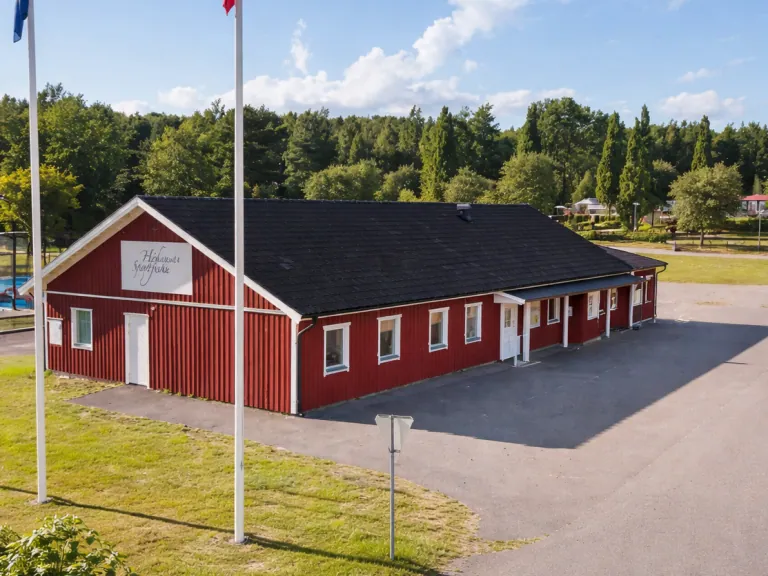
Fishing center, shop and service
The Hökensås fishing centre serves as the hub of the area and is often the first place many visitors come into contact with. Here you'll find information about the lakes, rules, fishing permits and current conditions, making the centre an important resource both before and during fishing.
The shop offers a range of fishing gear suited to the area, including flies, lures, leaders and other accessories that have proven to work well in Hökensås's lakes. The staff have good local knowledge and can often give valuable tips on which lake works best for the day, or which method is worth trying based on the current weather and temperature.
The fishing centre also contributes to the area's overall feel. It's a place where anglers meet, share experiences, and where visitors quickly get a sense of how Hökensås works. More information about the shop and its range can be found at https://hokensas.se/butik/.
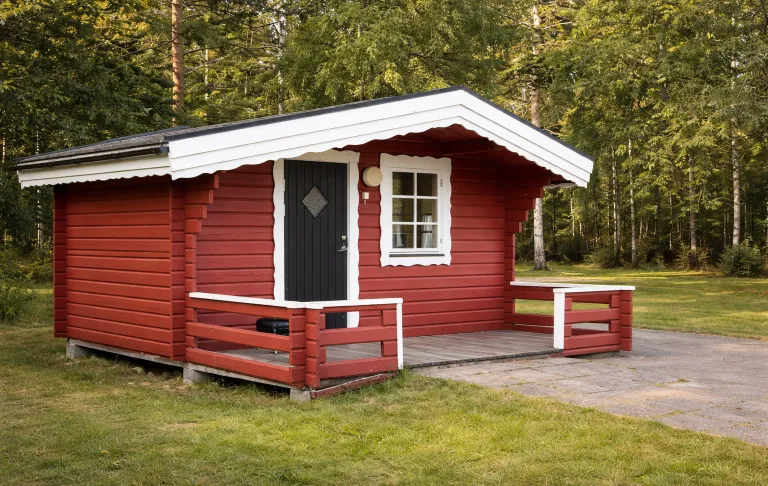
Accommodation at Hökensås
A big advantage of Hökensås is the good accommodation options right next to the fishing. This makes it easy to combine early morning sessions, evening fishing and rest without long journeys.
First Camp Hökensås is a popular option for caravans, motorhomes and tents alike, and offers services suited to both families and solo anglers. The proximity to the lakes means fishing can be adapted to the day's conditions without stress. More information can be found at https://firstcamp.se/destinationer/hokensas-tidaholm.
Caravan Club Hökensås is another popular option, especially for those who prefer a quieter camping environment. It offers good standards and a clear focus on nature experiences, which fits well with the character of Hökensås. Information can be found at https://caravanclub.se/camping/hokensas/.
For those who prefer fixed accommodation, there's also a wide range of Airbnb options in and around Hökensås. This is particularly suitable for longer stays or for groups who want to combine fishing with more comfort. See current accommodation via https://www.airbnb.se/hokensas-sweden/stays.
Is Hökensås suitable for families?
Hökensås is one of the sport fishing areas in Sweden best suited to families, provided expectations are realistic. The easily accessible lakes, clear rules and good infrastructure make it possible to introduce children to fishing in a safe and controlled way.
Many lakes are close to parking areas and require no long hikes, making it easier to adapt the fishing to children's stamina and interest. The option to combine fishing with swimming, forest walks and breaks also makes the experience more varied. At the same time, it's important to emphasise that fishing always takes place on nature's terms, and that the focus should be on the experience rather than the catch.
Who is Hökensås Sportfiske suited for?
Hökensås suits a very broad range of visitors. Beginners appreciate the clear structure, the easily fished lakes and the availability of information. Families benefit from accessibility, accommodation options and a safe environment. Experienced anglers are drawn to the variety, selective waters and the chance to refine their technique.
Fly anglers find one of the country's most developed still-water areas, while those who prefer spin fishing or coarse fishing also have plenty of options. In short, Hökensås is an area that can grow with the angler over time.
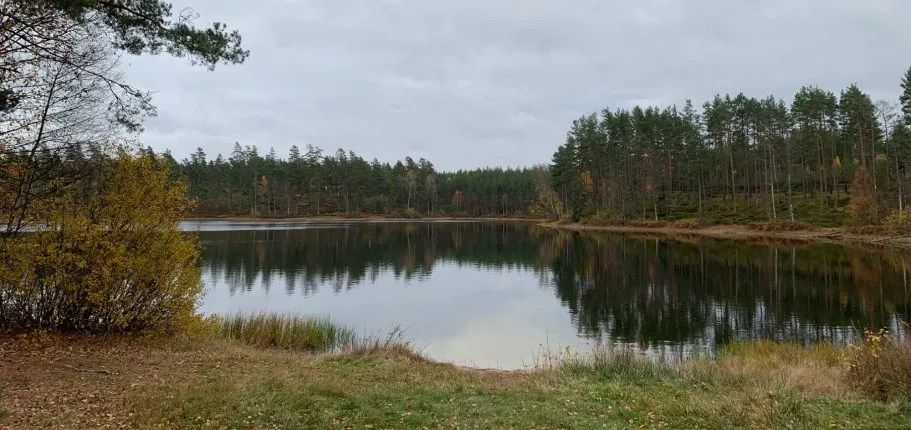
Hökensås as a nature reserve – responsibility, rules and consideration
Hökensås is a nature reserve, which means the area is covered by special protection rules designed to preserve nature, wildlife and the outdoor environment for the future. As a visitor and angler, it's therefore especially important to show consideration and follow the rules that apply within the reserve. These rules aren't there to limit the experience, but to ensure the area can continue to be used for fishing, outdoor activities and nature experiences in Sweden.
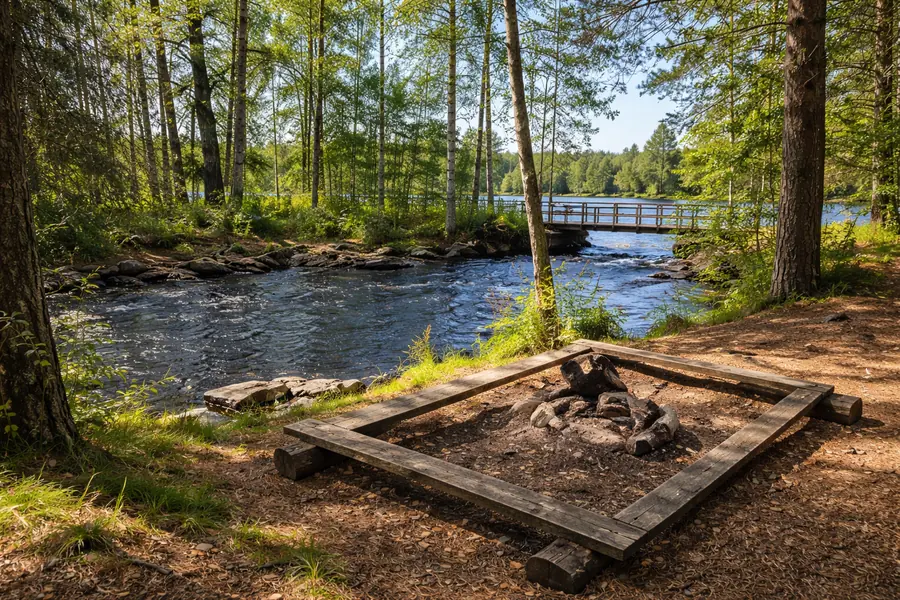
Within the Hökensås nature reserve, camping is generally not permitted, nor is it allowed to set up camp freely in the forest or by the lakes. Overnight stays should take place at designated campsites or accommodation in the area. Making fires is strictly regulated and may only take place at specially designated fire sites. Making your own fire, using disposable grills, or lighting a fire directly on the ground is not allowed, regardless of the season. This is crucial for reducing the risk of forest fires and ground damage.
Accessibility within the area also requires special consideration. Many of the forest roads at Hökensås are private roads with driving restrictions, and motor vehicles may only be used on designated access roads and parking areas. It's therefore important to always follow signage and respect closures, even if a road looks drivable. Driving incorrectly causes both ground damage and unnecessary conflicts with landowners.
Finally, the basic principle of "carry out what you carry in" applies throughout the area. All rubbish, even what might seem biodegradable, should be taken home. By following these rules, you help preserve Hökensås as one of Sweden's most appreciated sport fishing areas and ensure that both nature and fishing can continue to coexist sustainably.
Here you'll find more information about allemansrätten (the right to roam).
Common mistakes at Hökensås
A common mistake is fishing too fast, especially in cold water. Many people underestimate how slow the presentation often needs to be. Another mistake is choosing the wrong lake for the method you want to use, or not adapting the fishing to the weather and wind.
Fishing in the middle of the day during peak summer can also be ineffective, as can not reading through the rules properly before you start fishing. Taking the time to plan and observe significantly increases the chances of a successful experience.
Looking for similar fishing waters?
For those who enjoy Hökensås, there are several other interesting alternatives. Säveån offers stream fly fishing, while Baltak combines put-and-take with river fishing. Sunnedamm and Harasjömåla are other examples of well-run facilities focused on experience and quality.
Summary
Hökensås Sportfiske is more than a put-and-take area. It's a well thought-out, well-managed and varied sport fishing area where nature, knowledge and accessibility meet. Whether you're a beginner, a family angler or an experienced fly fisher, Hökensås offers the chance to develop, experience nature and create memories for life. We love the simplicity and accessibility of the area, together with the challenge of the fishing. That's why we keep coming back year after year, and head home with a fish when luck is on our side.
Share Your Tips! If you have your own tips or recommendations you'd like to add to this guide, or think something seems incorrect, feel free to share your own experiences with us.
Find us!
Finding your way here is easy. Use the map above to see the exact location and get directions straight from where you are now.
We recommend using Google Maps or another map service for the current route, travel time and any traffic updates.
See the map of the lakes, campsites and fishing centre further up in the article for easier navigation.
The map loads from Google Maps only when you click.