A long-awaited adventure into Sweden's history
After days full of play, cycling and mountain hikes, it was time to change pace. We steered the car towards Falun, where one of Sweden's most legendary and historically important sites awaited – Falu Koppargruva.
I had high expectations. This was the adventure I'd been most looking forward to during the whole trip – getting to go down into the old mine galleries, where Swedish history has literally been carved out of the rock.
But reality quickly reminded us that every family adventure has its contrasts. Rosita was tired after the journey, Leo had lost his patience, and the mood was... so-so. Still, this would turn out to be one of the most memorable stops of our whole summer holiday.
A visit to Sweden's treasure chest
Falu Mine has been called Sweden's treasure chest – and that's no exaggeration. For almost a thousand years, people have mined copper here. In the 1600s the mine accounted for two-thirds of Europe's copper production and was one of the main forces behind Sweden's era as a great power.
Every bronze cannon, every church bell, even the roofs of European cities, once had their start here in Falun.
But the history is also full of drama. On Midsummer's Eve in 1687, the whole mountain collapsed in one of the largest cave-ins in European history – the Great Pit. The pit is 95 metres deep and more than 1.6 kilometres around. Luckily the miners were celebrating Midsummer that day, so no one died.

Down into the depths – with a helmet and courage
We started the day at the entrance – where the souvenir shop and the exhibition on falukorv caught Leo's interest (for a few minutes, at least). Rosita and he watched the introductory film while I studied the models of the shafts. Soon the guide rang the bell – just like at a shift change in the old days – and it was time.
On with helmets and protective coats, and down, into the mountain. The cool, damp air hit us straight away. The walls shimmered red and orange with copper ore, and water dripped from the ceiling.
The guide told us that before going into the mine, you'd always knock three times on the wall, to show respect for the Mine Lady – the spirit who watches over the workers. She could appear in a white dress or a grey cloak, often as a warning before accidents. Joking about her was tempting fate.
Leo held Rosita's hand tightly. It was dark, cramped and a little scary at times – but exciting all the same. Rosita smiled bravely, though I could tell she'd rather have turned back on the stairs.

The goat that found the riches
Legend has it that it all started in the 800s, when a farmer followed his runaway goat. The goat had horns stained red, and on the spot where it used to stand the farmer found a stone that shimmered green and red – copper ore.
That's how Falu Koppargruva was discovered, thanks to a stubborn little goat that happened to stumble upon Sweden's future wealth.

The heart of the Swedish Empire era – and the origin of falukorv
During the 1500s and 1600s, Falu Koppargruva was one of Sweden's most important industries and one of Europe's most significant mines. A whole community grew up around the mine, and thousands of people worked on extraction, transport and processing of copper ore.
Oxen were widely used to haul ore, timber and equipment. When the animals could no longer work, they were slaughtered, which meant there was a large supply of meat that needed to be dealt with sustainably.
German miners and craftsmen also came to Falun, bringing new techniques – but also knowledge of preserving meat. They had experience salting, smoking and stuffing meat into casings to create long-lasting sausages that could be stored for a long time.
This is where the foundation was laid for what would eventually become falukorv.
During the 1800s, sausage-making began to develop in a more organised form, and the name falukorv became established for the type of mild, smoked sausage associated with the Falun area. The recipe was refined over time and adapted to new production methods, but kept its character as a simple, filling everyday food.
Today falukorv is one of Sweden's most beloved classics – just as at home in the frying pan as in stews and oven dishes. It's also protected within the EU as a Traditional Speciality Guaranteed (TSG), which means the product must be made according to set traditional methods and ingredient requirements.
From the mine's hard labour and need for lasting food to an icon on Swedish dinner tables – the history of falukorv is tightly woven together with Sweden's industrial and culinary heritage.
If you like cooking falukorv, check out our recipes for falukorv dishes!

Darkness, mystery and a royal visit
Deeper down in the mine, the guide told us about Fet-Mats – the man who disappeared in the 1600s and was found 42 years later, naturally preserved by the mine's copper vitriol. The story gripped us. Leo went quiet, Rosita looked at me with a look that said "that's enough now". When the lights went out and we stood in total darkness, you understood why the stories live on.
Then we got to see the golden wall, where royals such as Gustav VI Adolf, Carl XVI Gustaf and Crown Princess Victoria have their names carved in, filled with gold from the mine.
Fresh air, horses and history above ground
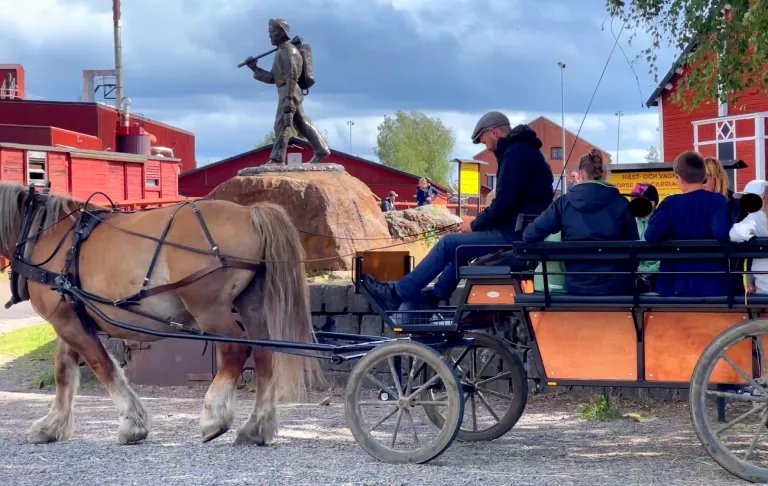
Stepping out into daylight again was almost overwhelming. Rosita let out a deep sigh of relief and Leo perked right up. We took a horse-and-carriage ride through the old industrial area, where ore and timber were once transported. I took the chance to look in on the Falu Red Paint factory, where the pigment is still made from ore residue from the mine.
Around the Great Pit there's now a walking loop with a fantastic view over the collapse area – a reminder of how powerful nature can be. Nearby there are also preserved 19th-century workers' homes, showing how the miners' families lived.

The Mining Museum and the world's oldest joint-stock company
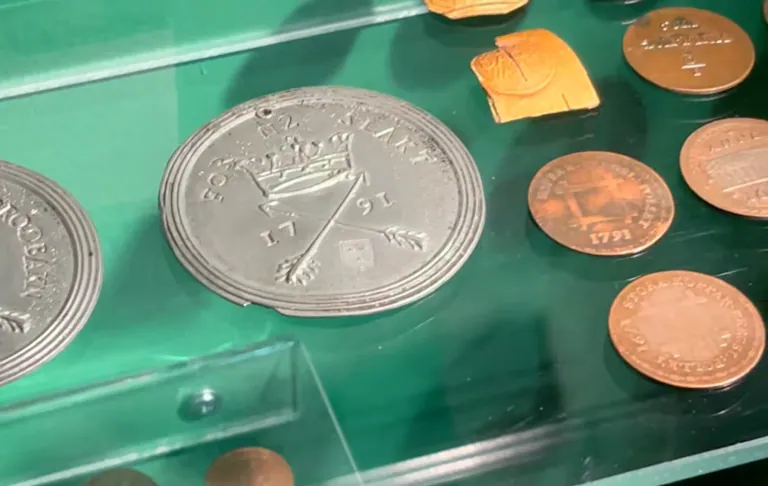
We finished the day at the Mining Museum, where both kids and adults can try models, games and interactive exhibits. Here you'll also find the world's largest coin – and a link to the world's oldest joint-stock company.
Already in the 1200s you could buy shares, so-called "åttingar", in Stora Kopparbergs Bergslag, the mining company that owned Falu Koppargruva. That makes the company the oldest documented forerunner of today's joint-stock companies – long before the stock exchanges in Amsterdam and New York.

Tired legs and new plans
After almost six hours at the mine we were both hungry and exhausted. We checked into First Camp Lugnet in Falun, had a late dinner and started talking about the next day.
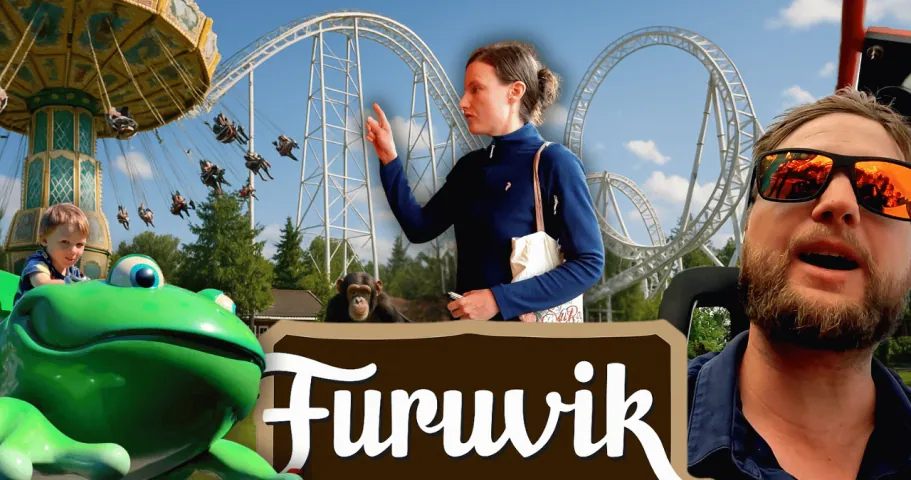
The trip would take us onward towards the coast – to Furuviksparken, with animals, rides and a secret military fort. But first: sleep.

Our best tips for your visit to Falu Koppargruva
- Book in good time! The mine tours fill up quickly, especially in summer.
- Dress warmly and in clothes you don't mind getting dirty – it's cold! 5–7 degrees down in the mine.
- Bring a packed lunch. There's a lot to see both above and below ground.
- For younger children: The film and the museum above ground are usually more fun than the mine tour itself.
- Plan for a full day! Even though the underground tour takes about an hour, there's more to see!
- Don't miss: the Great Pit, the golden wall and the story of Fet-Mats.

Related guides & outings


Gallery
A small selection from our visit to Falu Koppargruva.




Directions
Finding your way here is easy. Use the map to see the exact location and get directions straight from where you are now.
We recommend using Google Maps or another map service for the current route, travel time and any traffic updates.
The map loads from Google Maps only when you click.
See the whole adventure!
We go underground at Falu Koppargruva – one of Sweden's most fascinating places!
Copper, kings, falukorv and dark tunnels mix with the family's reactions, fascination, laughter and amazement. A historic adventure for both big and small.

See All The Episodes From Summer 2025
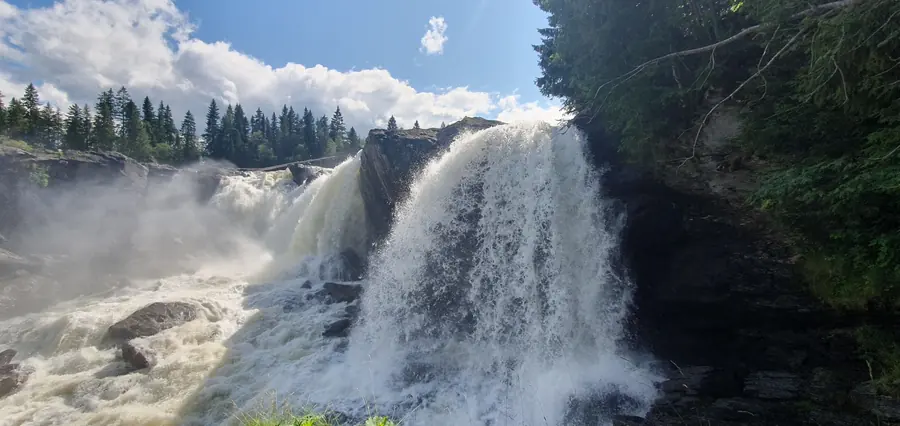
From the cold mine shafts of Falu Koppargruva to warm adventure days at Furuviksparken. Leksand Sommarland wasn't the only time we ran into thunder during our road trip! When we climbed Fulufjället we had to flee back down when we ran into yet another thunderstorm.
Click the image to go to the playlist, or
Did our adventure sound exciting? Then you simply have to see this!
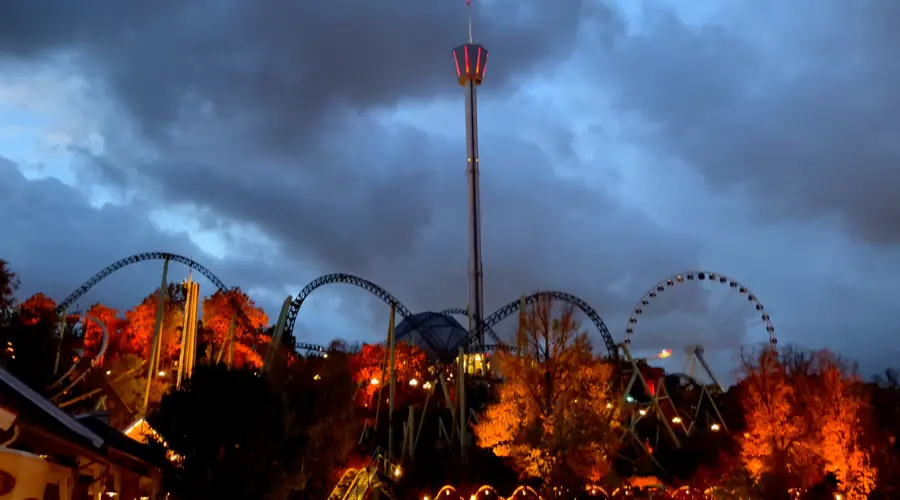
Can you fit in everything Furuviksparken has to offer in one day? We're going to try, at least! We also visit a military bunker and go swimming. This turned into a successful holiday stop you simply can't miss!
Watch The Full Episode On YouTube → Read about the visit here... →