What is freedom?
On the surface, The Walking Dead is a series about zombies. In practice, it's something else entirely: a long study in human survival. Not just how to manage without society, but why some do – and others don't. The series shows with unusual clarity that equipment and supplies are sometimes unimportant, while will, community and adaptability decide everything.
That's why The Walking Dead fits so well into Swilderness' perspective on nature, preparedness and prepping. Find more reviews here!
The Walking Dead in brief – when society ceases to exist
When the world collapses, everything we take for granted disappears: electricity, healthcare, food chains and safety. What remains is people, nature and the resources available here and now. The series follows various groups through countryside, forest, small towns and temporary bases – showing how quickly conditions change.
What matters isn't the threat itself, but how people react when the structures disappear.
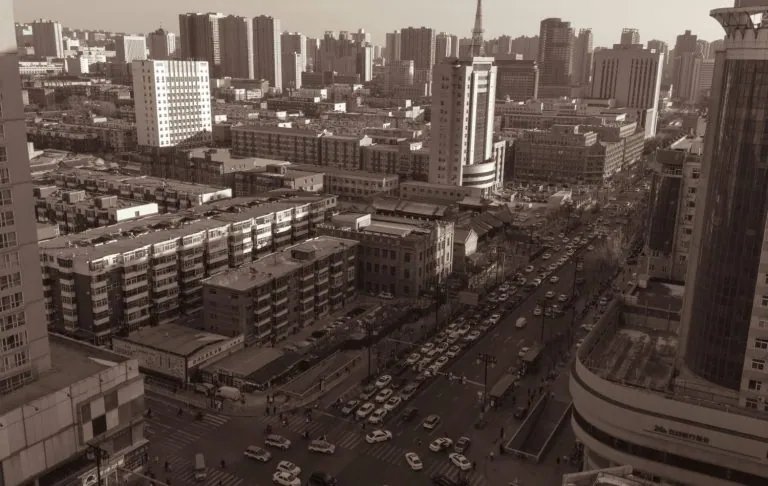
Prepping isn't enough – and is sometimes completely unnecessary
One of the series' clearest lessons is that prepping in the form of stockpiles and bunkers often has a short lifespan. Supplies run out, places are found, resources are depleted. Several groups that rely on large stockpiles fall quickly – precisely because they're static.
What instead keeps emerging as a success factor is:
- mobility
- adaptation
- the ability to read situations
- the willingness to cooperate
This lines up completely with the idea behind Preparedness & prepping – being prepared for everyday life, crisis and the unexpected: preparedness isn't a stockpile, it's a mindset.
The group is the strongest resource
In The Walking Dead, almost no one survives alone for long. It's the groups that make it – despite conflict, scarcity and fear. Community provides:
- more skills
- better decision-making
- psychological endurance
- protection and redundancy
The series shows that a group's shared will to survive is often stronger than any individual's preparations. It's an important counterweight to the image of prepping as something isolated and solitary.
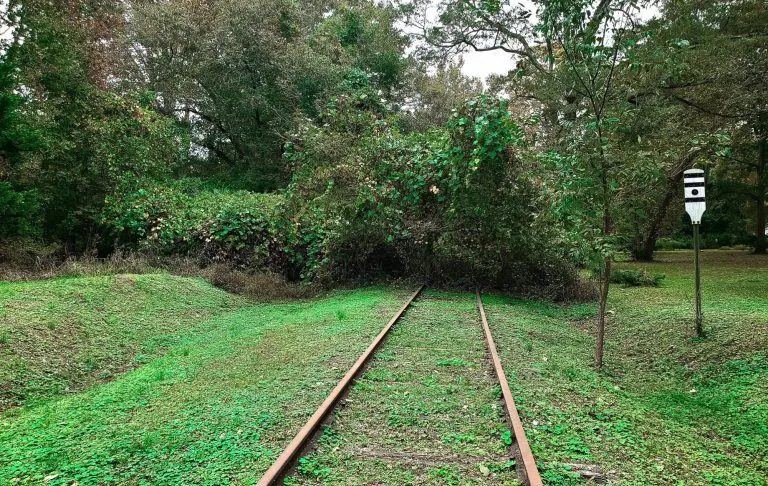
Nature as both shelter and threat
When cities become dangerous, the groups seek out forest, farmland and remote places. Nature offers:
- food
- water
- shelter
- the possibility of fire
But it also demands knowledge. The wrong place, the wrong season or the wrong decision has consequences. Just as in real outdoor life, nature isn't kind – but handled correctly, it's manageable.
This balance is central both in the series and in guides like Camping and tent life in Sweden, where safety and understanding come before romance.
Survival is routine, not heroism
The film portrays survival as something monotonous and disciplined:
- fixed schedules
- controlled movement patterns
- resource management
- secure bases
This lies very close to real prepping and preparedness. It's not the big, dramatic decisions that matter most over time, but the small routines repeated every day.
This exact perspective is central to Preparedness & prepping – being prepared for everyday life, crisis and the unexpected, where the focus is on realistic preparation rather than apocalyptic fantasies.
Hunting, bushcraft and practical skills
As the series progresses, it becomes clear which skills actually matter:
- fire
- simple cooking
- hunting and fishing
- repair
- navigation
- first aid
It's classic bushcraft skills, not advanced equipment, that make the difference. The series illustrates how quickly modern conveniences lose their value when they can no longer be maintained.
This mirrors the content in The wilderness recipe bank and knowledge about cooking over an open fire – where simplicity, safety and energy matter more than perfection.
Will beats strength – surviving mentally
Those who make it furthest in the series are rarely the strongest or most aggressive. It's those who:
- accept reality
- adapt quickly
- can make hard decisions
- retain their humanity under pressure
Survival becomes primarily mental. This is one of the series' most realistic aspects – and a central part of real crisis preparedness.
Freedom with responsibility – the same principle as in reality
When laws and rules disappear, a vacuum appears. The series shows how quickly "freedom" can turn into chaos without shared norms and responsibility. It's an extreme version of the same principle that applies in nature today: freedom requires responsibility.
That idea is fundamental even in The Right of Public Access – your freedom in nature, where access is always balanced against consideration for others.
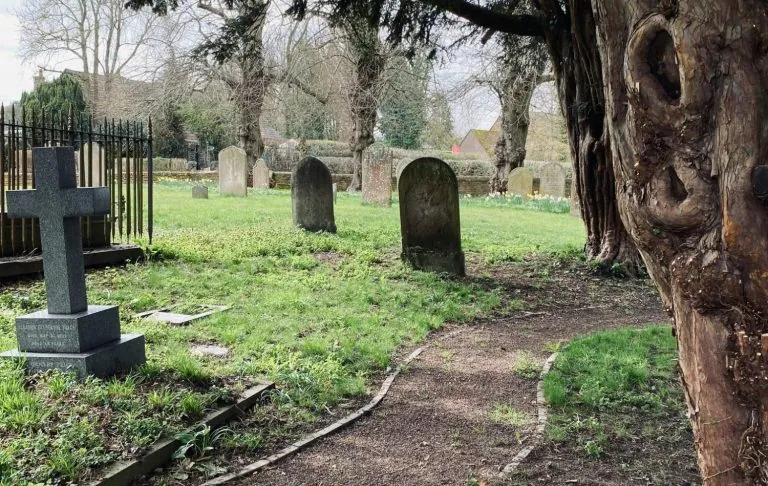
Why The Walking Dead is relevant to real-world prepping
The series works as a thought experiment rather than a manual. It shows:
- why static solutions often fail
- why community is crucial
- how knowledge of nature becomes vital
- that preparedness is dynamic
For those who want to build real preparedness, it's less about preparing for the too apocalypse and more about becoming confident in everyday uncertainties – something covered in Crisis preparedness at home – what should you keep at home?.
Summary
The Walking Dead shows that survival isn't decided by who has the biggest stockpile or the most weapons, but by cooperation, adaptation and mental strength. Prepping can be a support – but without community and knowledge, it's often worthless.
The series reminds us of a simple truth: it's not nature or the crisis that's the biggest challenge. It's how we choose to face it – together.
100 Swedish Hiking Trails!
Looking for the perfect hiking trail? We've gathered 100 of Sweden's most interesting, challenging, and scenic hiking trails in one list!