Short answer
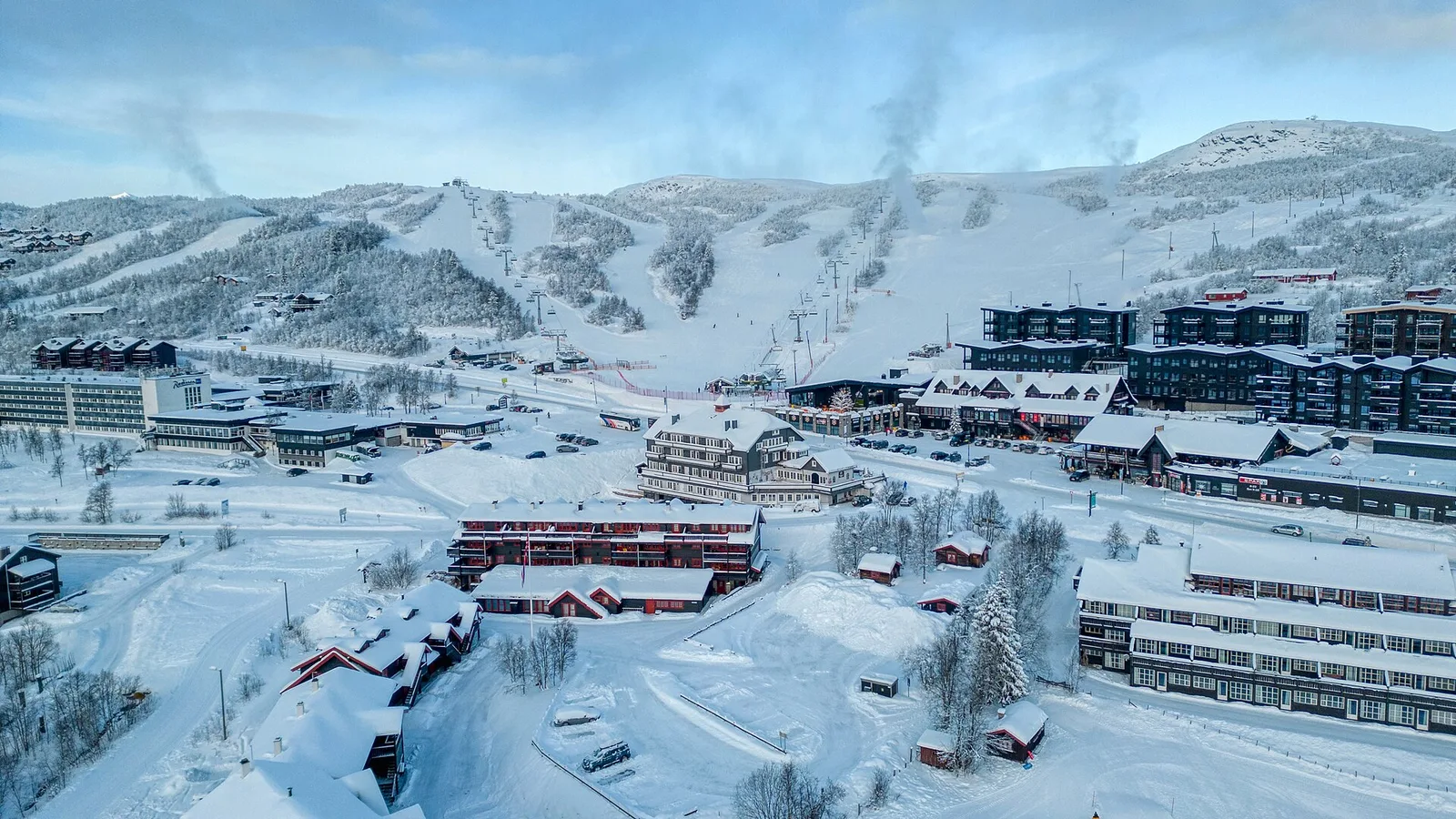
Beitostølen lies at around 900 metres in Valdres and is one of Norway's best-known cross-country resorts. The ski stadium has 12.5 kilometres of World Cup-approved loops, 7.5 kilometres of them with artificial snow for an early start, and a 5-kilometre floodlit track. The downhill slopes start in the middle of the village, are mostly easy and have their own children's lift – good for small children, but experienced skiers will find more on the other side of the valley in Raudalen.
Beitostølen at a glance
| What | Facts | Keep in mind |
|---|---|---|
| Downhill | 12 km, 9 km easy and 3 km intermediate, 6 lifts | No black slopes |
| Height | 900–1,101 m above sea level | Mountain climate – cold and windy at the top |
| Children | Children's lift, children's slope and sledge lift | In the middle of the village, close to accommodation |
| Ski stadium | 12.5 km World Cup loops, 7.5 km artificial snow | Opens early in the autumn |
| Floodlit track | 5 km, plus 1.5 km lit to the centre | A good evening trip after the slopes |
| Raudalen | More slopes on the other side of the valley | Free bus from the village |
The figures apply to the central ski area. Raudalen is counted separately.
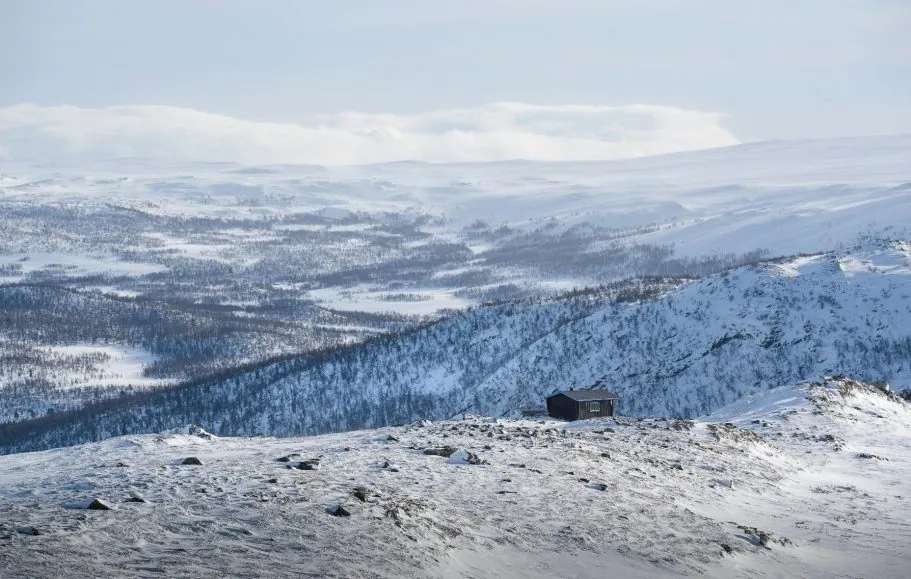
Beitostølen lies high up in Valdres, at around 900 metres, where the forest thins out and the mountain takes over. It is one of Norway's best-known cross-country resorts – the ski stadium has World Cup-approved loops – but for families it is also an unusually practical downhill resort: the slopes start in the middle of the village, and most of them are easy.
Cross-country skiing – the resort's great strength
The heart of Beitostølen is the ski stadium, with 12.5 kilometres of World Cup-approved loops for cross-country skiing and biathlon. 7.5 kilometres have artificial snow, so the tracks open as early as the autumn while the rest of the mountain is still waiting for snow. From here the tracks continue out on to the mountain, and in the whole of Valdres there are around 1,500 kilometres of groomed tracks.
There is also a 5-kilometre floodlit track and a further 1.5 kilometres of lit track between the stadium and the centre – perfect for an evening trip with the children after a day on the slopes.
Tips: The shorter loops around the stadium are good to start with for children who are new to cross-country skiing. There it is easy to turn back and close to warmth.
If you want to compare with other Norwegian cross-country resorts, Sjusjøen east of Lillehammer is the largest, and the tracks around Hafjell connect to the same network.
The slopes in the middle of the village
The central ski area has around 12 kilometres of slopes and 6 lifts between 900 and 1,101 metres – a six-seater chairlift, a three-seater chairlift and three surface lifts. Three quarters are easy, the rest intermediate, and there are no black slopes. For families with small children there is a separate children's lift and children's slope, and a sledge lift for those who would rather go sledging.
On the other side of the valley lies Raudalen with more slopes, and a free bus runs there from the village. For experienced skiers who want more variety it is worth a day or two.
The lift pass is cheaper than at the biggest Norwegian resorts, and the child pass costs less than the adult pass. The 2026/27 season is planned from late November to mid-April.
Beitostølen or a bigger resort?
- Choose Beitostølen if cross-country skiing is the main thing and the children are learning to ski downhill on quiet, easy slopes close to accommodation.
- Choose Hafjell if you want long slopes and large family areas – more about that in the ski resorts around Lillehammer.
- Choose Geilo if you want a classic Norwegian ski village with a train all the way there – see Geilo.
More Norwegian resorts are in Norway's ski resorts, and which week you have your 2027 winter sports break is in the winter break list.
Packing for Beitostølen
Frequently asked questions
Is Beitostølen good for small children?
Yes. The slopes start in the middle of the village, three quarters are easy, and there is a separate children's lift and children's slope. There are no black slopes, so the choice for experienced skiers is limited.
How many kilometres of cross-country tracks are there at Beitostølen?
The ski stadium has 12.5 kilometres of World Cup-approved loops and a 5-kilometre floodlit track, and from there the tracks go out on to the mountain. In the whole of Valdres there are around 1,500 kilometres of groomed tracks.
When does the season start at Beitostølen?
The cross-country tracks at the ski stadium open on artificial snow as early as the autumn. The downhill slopes have a season from late November or early December to mid-April.
What is Raudalen?
A ski area on the other side of the valley from Beitostølen, with more slopes. A free bus runs there from the village.
How much does a lift pass cost at Beitostølen?
The lift pass is cheaper than at the biggest Norwegian resorts, and the child pass costs less than the adult pass. Current prices are shown in Beitostølen's booking.