Worth a Visit?
In the center of Trollhättan, just minutes from the place where Saab's cars once rolled out of the factory, lies one of Sweden's most fascinating car museums. Saab Car Museum is not just a museum for car enthusiasts – it's a story about Swedish engineering, innovation, and industrial history.
When we visited the museum with our son Leo, an experience awaited us that spans more than six decades of car development. From the first prototype Ur-Saab to futuristic concept cars that almost seem to come from the future. This is a place where each car tells its own story.
If you want to see more family outings we've done, you'll find them gathered under Our adventures.
Saab Car Museum – The Heart of Saab History
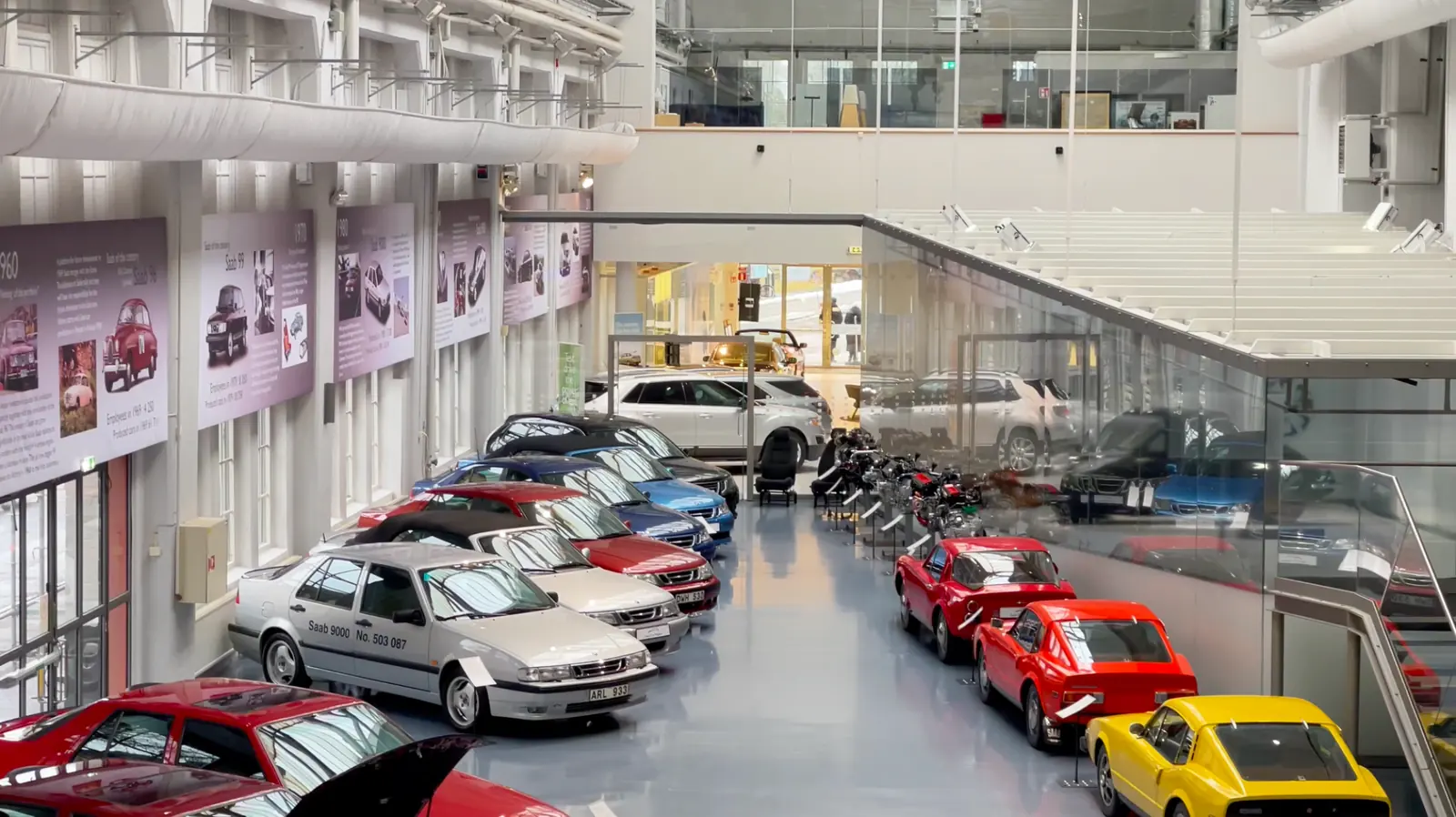
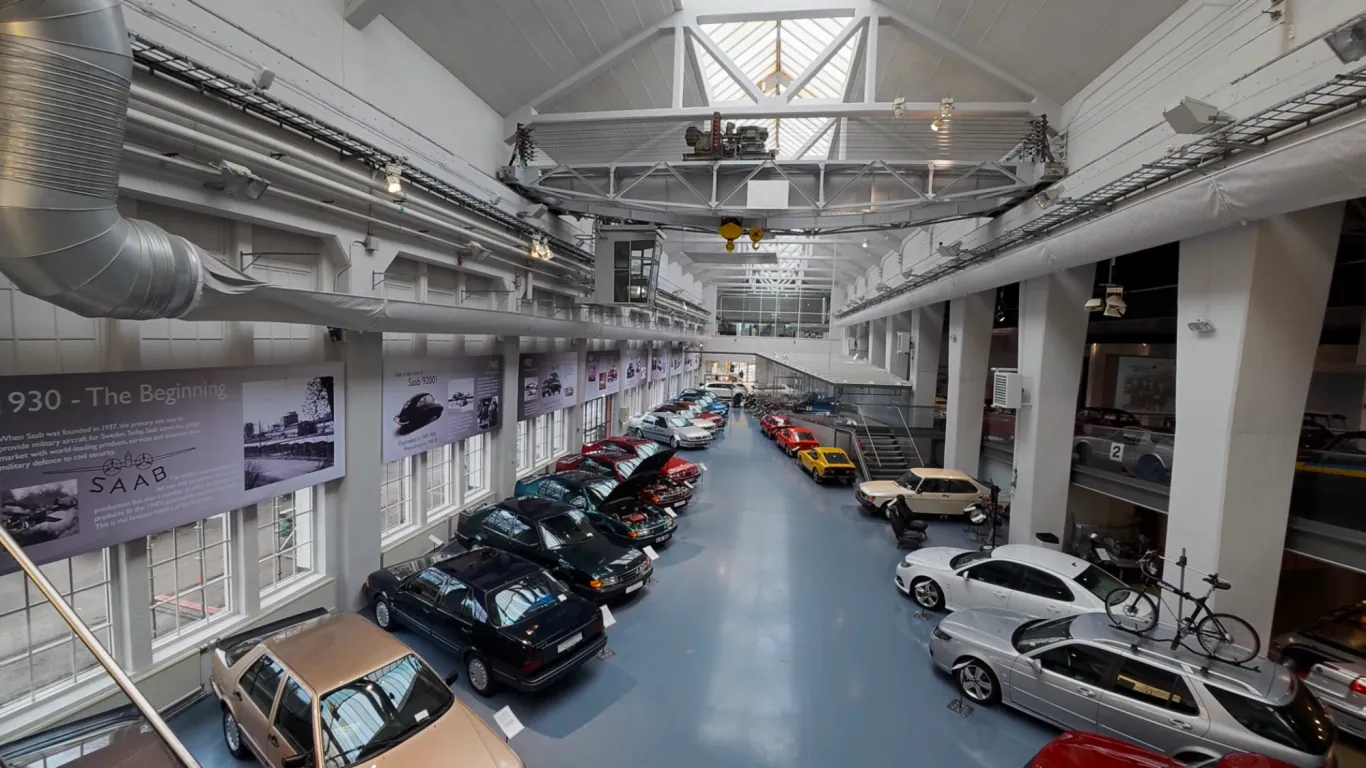
Saab Car Museum is located in the Innovatum area in Trollhättan, an area strongly associated with Swedish industrial history. Here, just a stone's throw from the old Saab factory, more than 120 cars are gathered that together tell the complete story of one of Sweden's most iconic car brands.
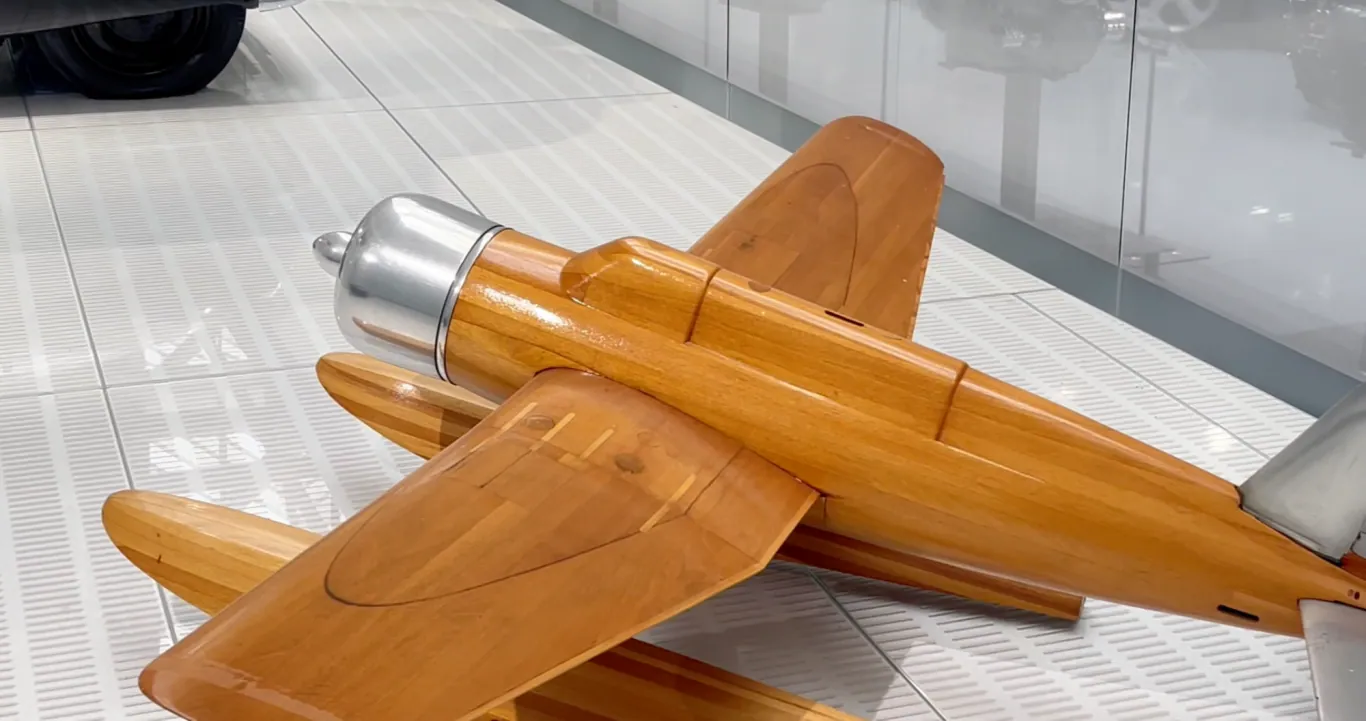
Saab was originally founded as an aircraft manufacturer under the name Svenska Aeroplan AB, and the aviation heritage would strongly influence the cars. Aerodynamics, safety thinking, and innovative solutions quickly became hallmarks of the brand.
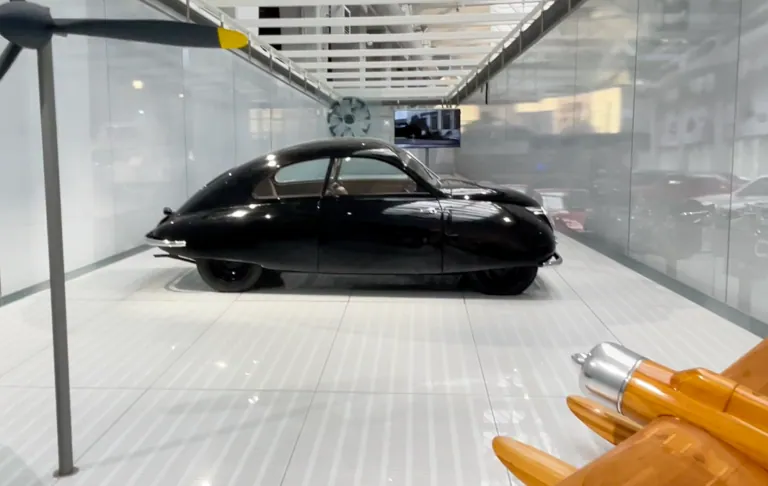
At the museum, you can follow the development from the very first prototype Saab 92001 – better known as Ur-Saab – from 1947, all the way to the last models produced before car production stopped. For those interested in Swedish industrial history, this is a place where technology, design, and social development meet.
Our Visit to Saab Car Museum
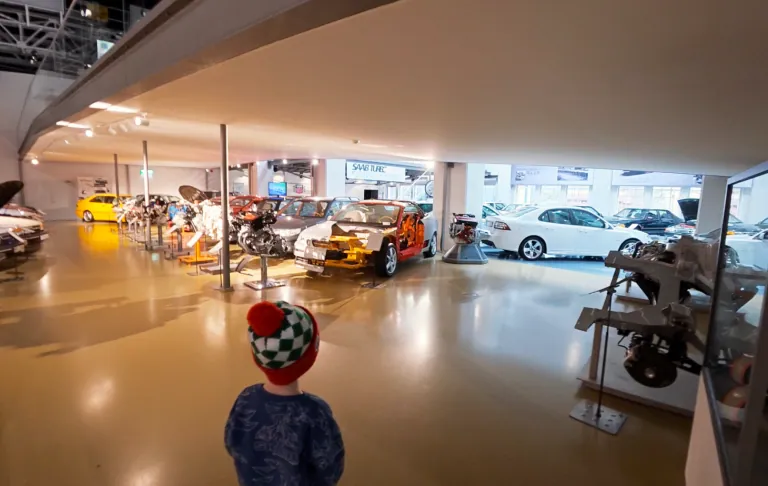
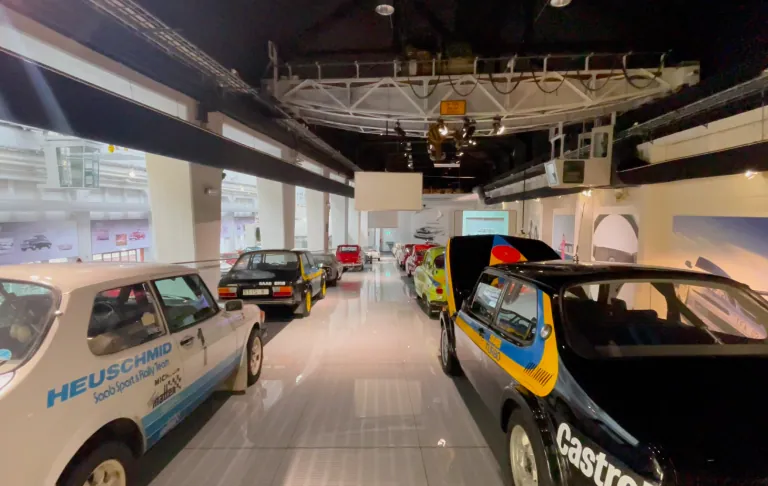
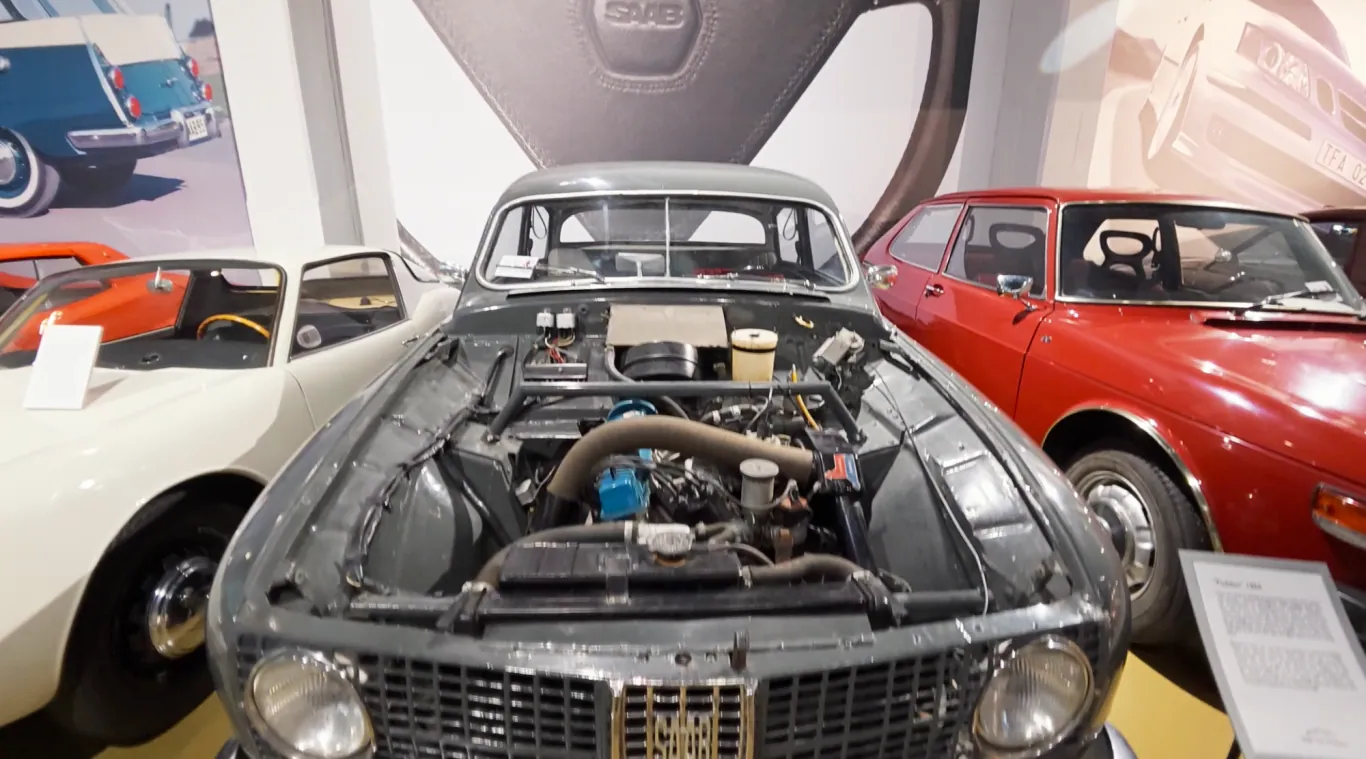
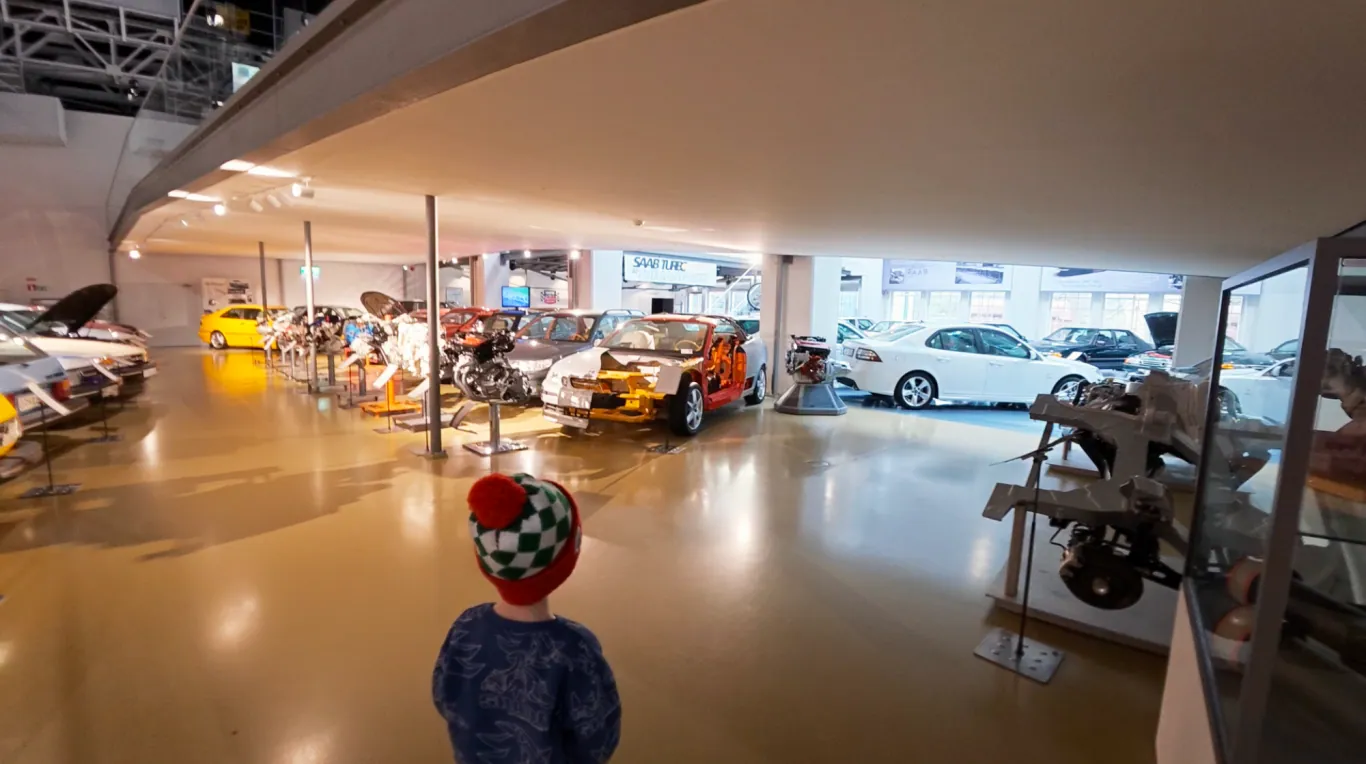
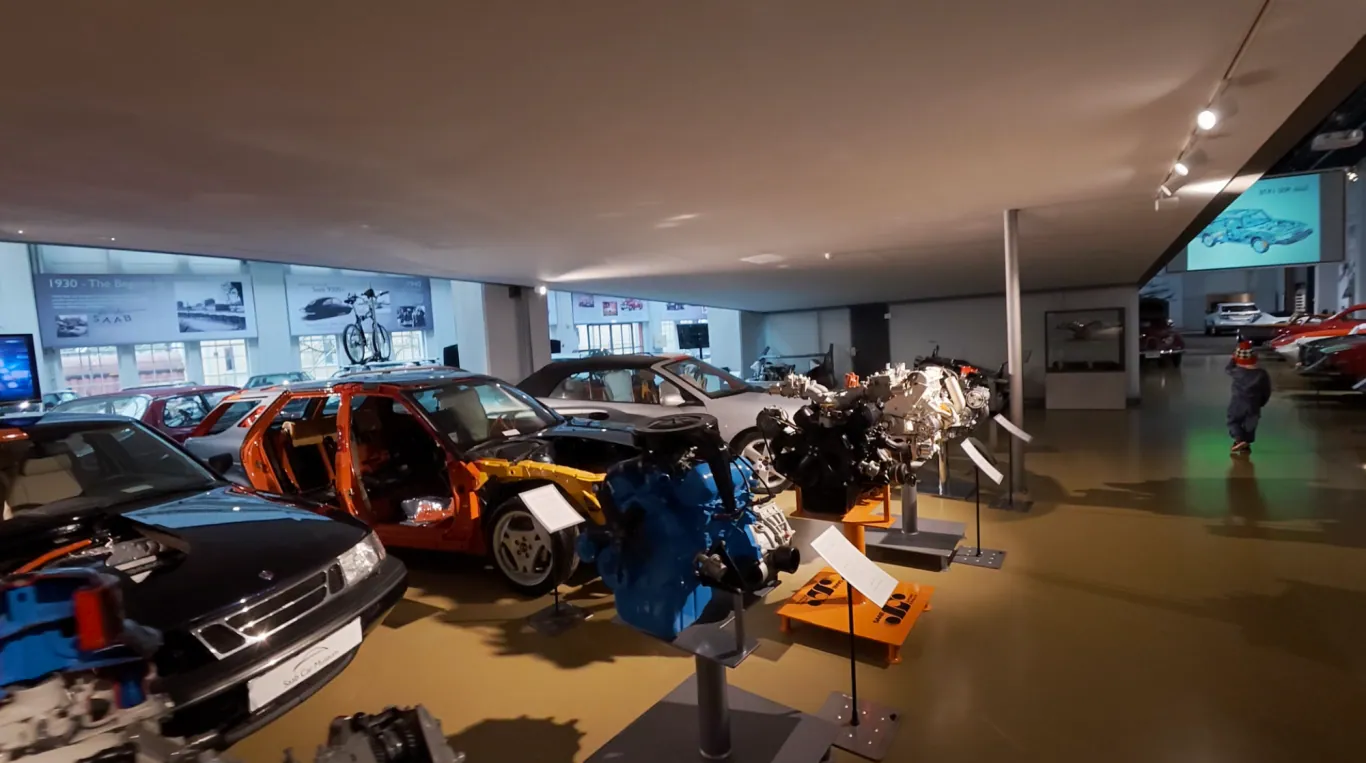
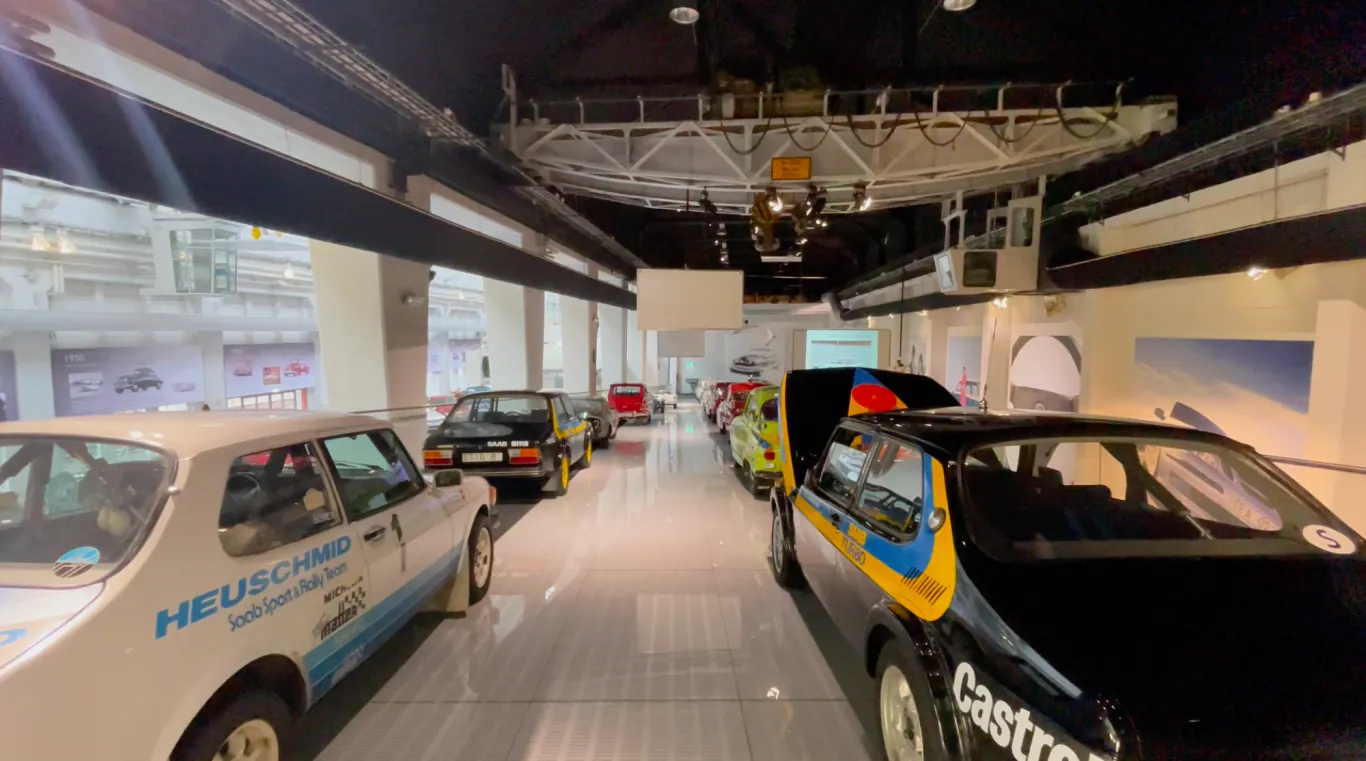
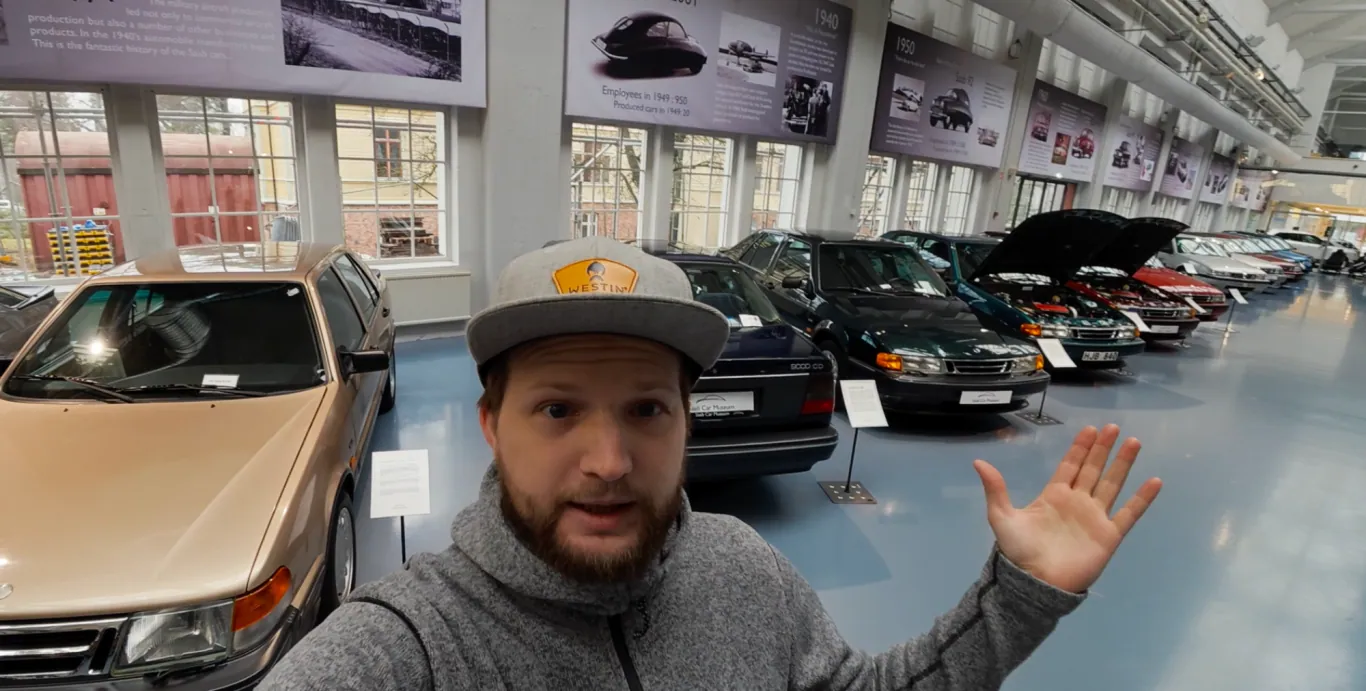
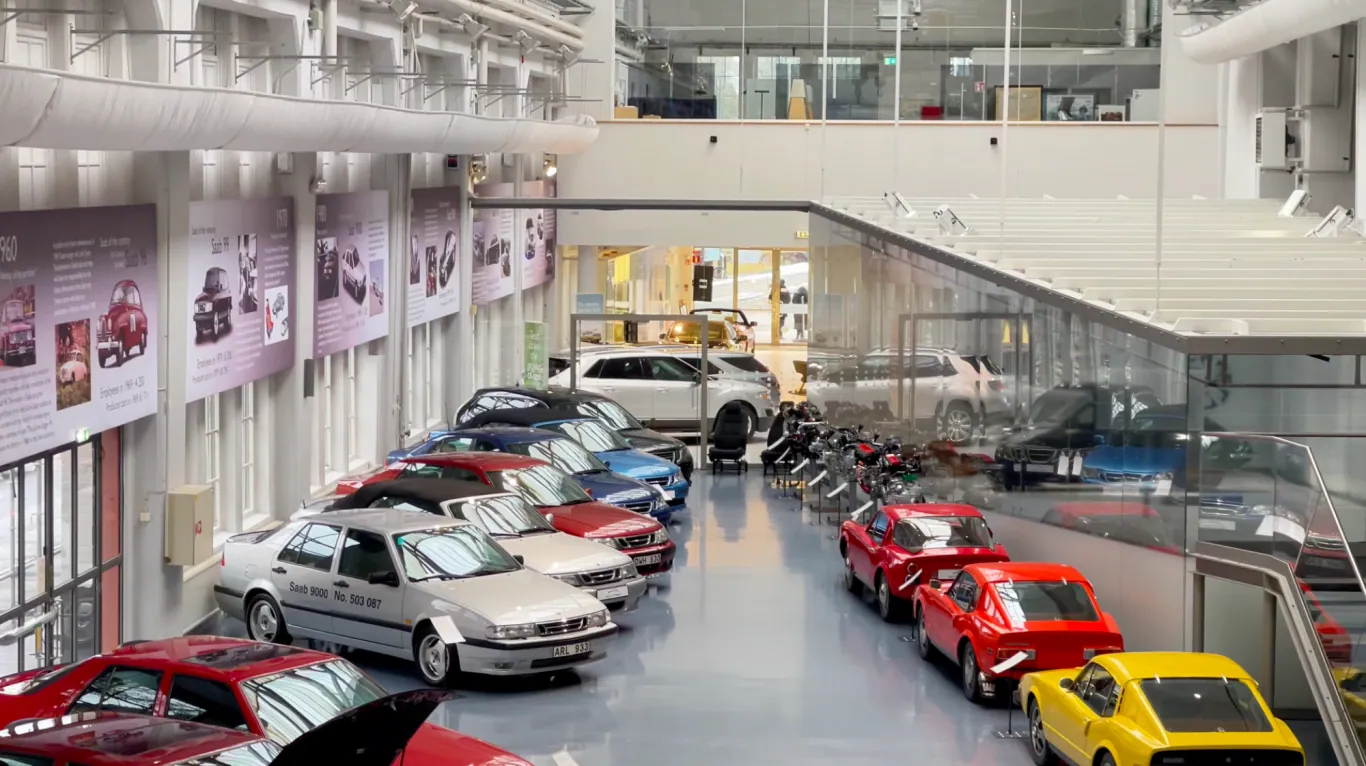
When we entered the museum, we were met by rows of Saab models from different eras. At first glance, it feels almost like stepping straight into a time capsule.
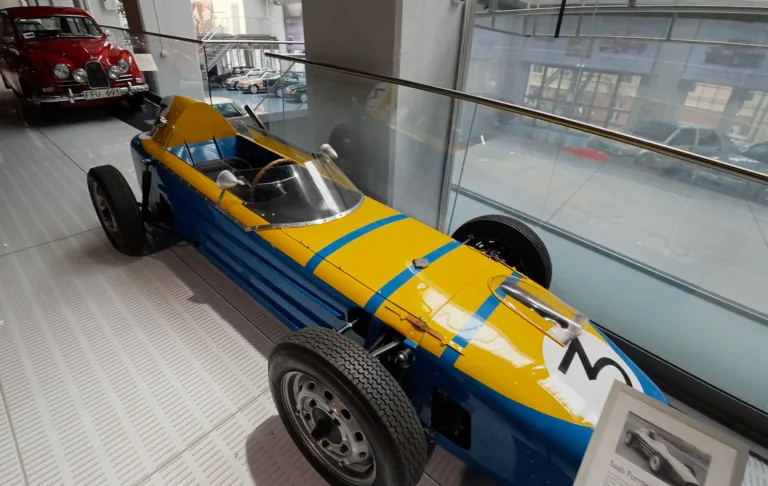
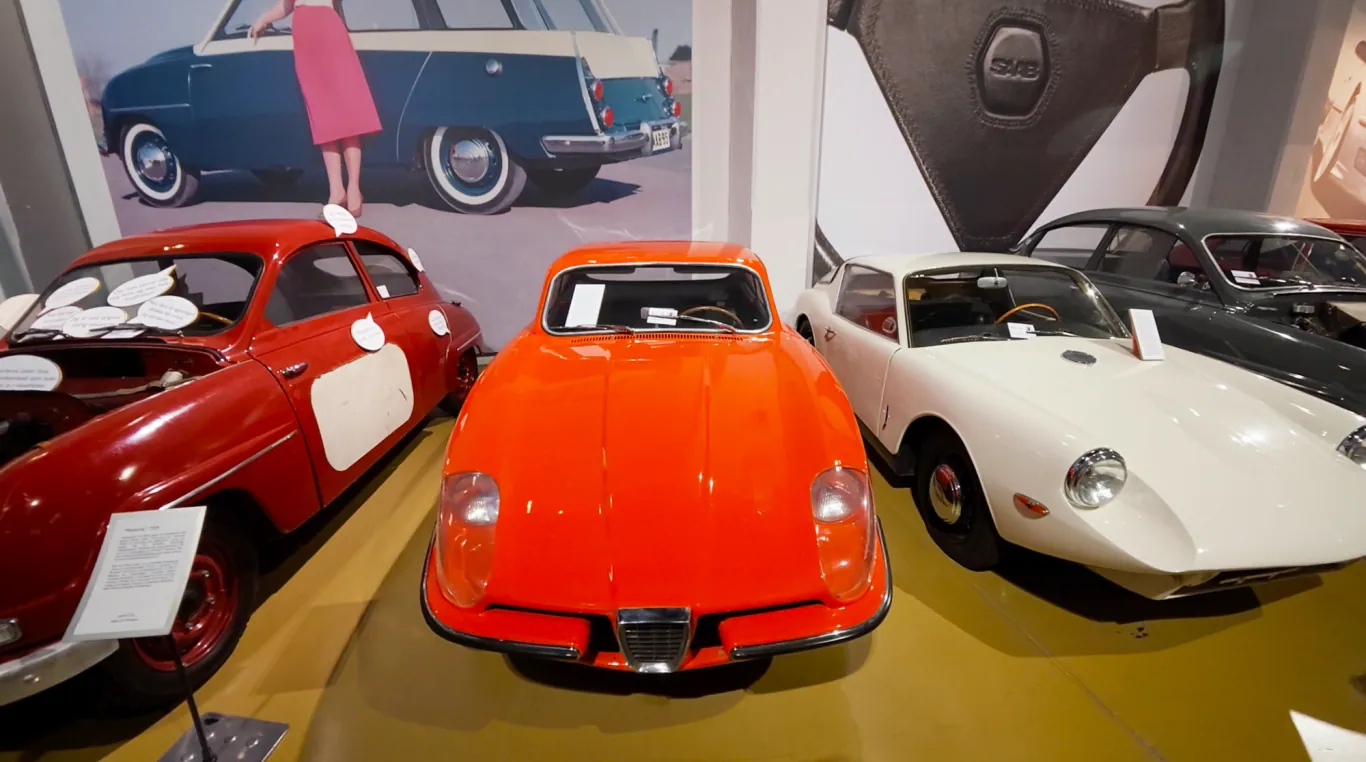
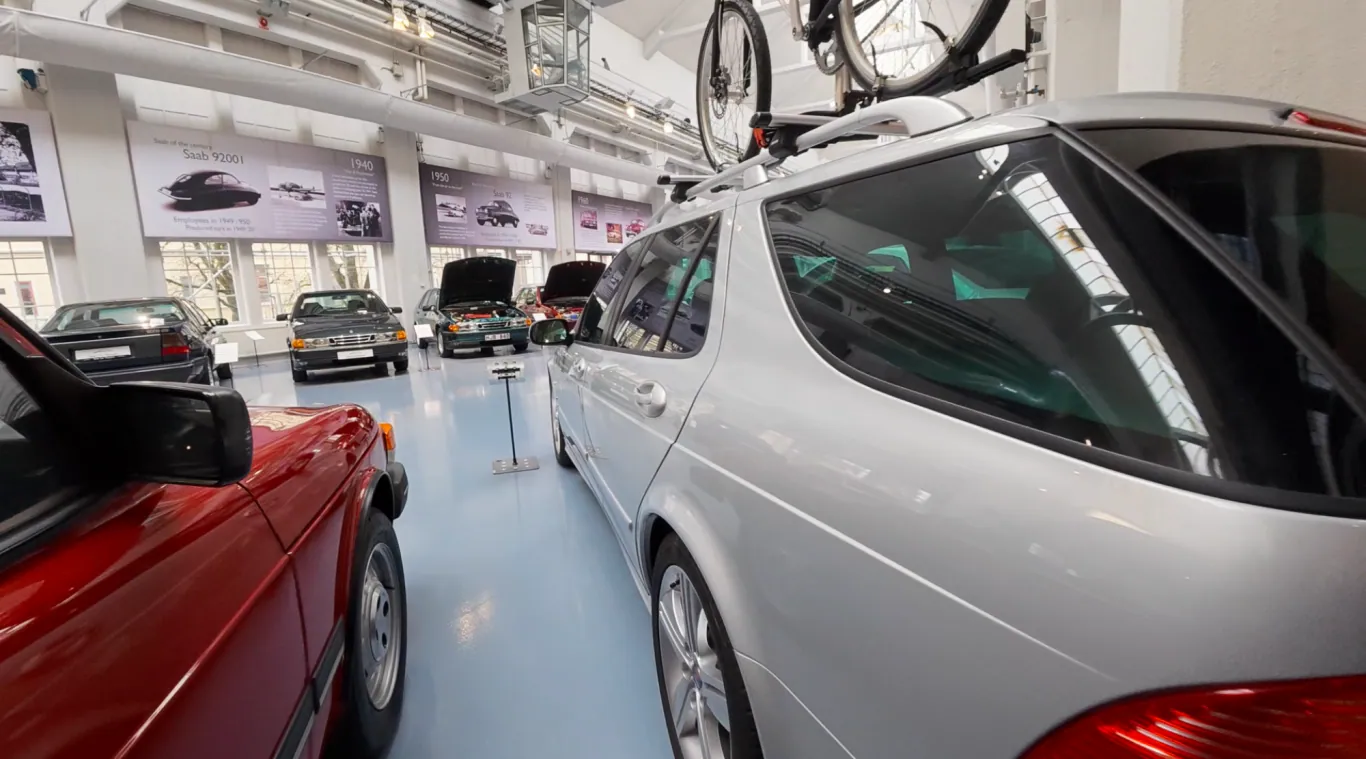
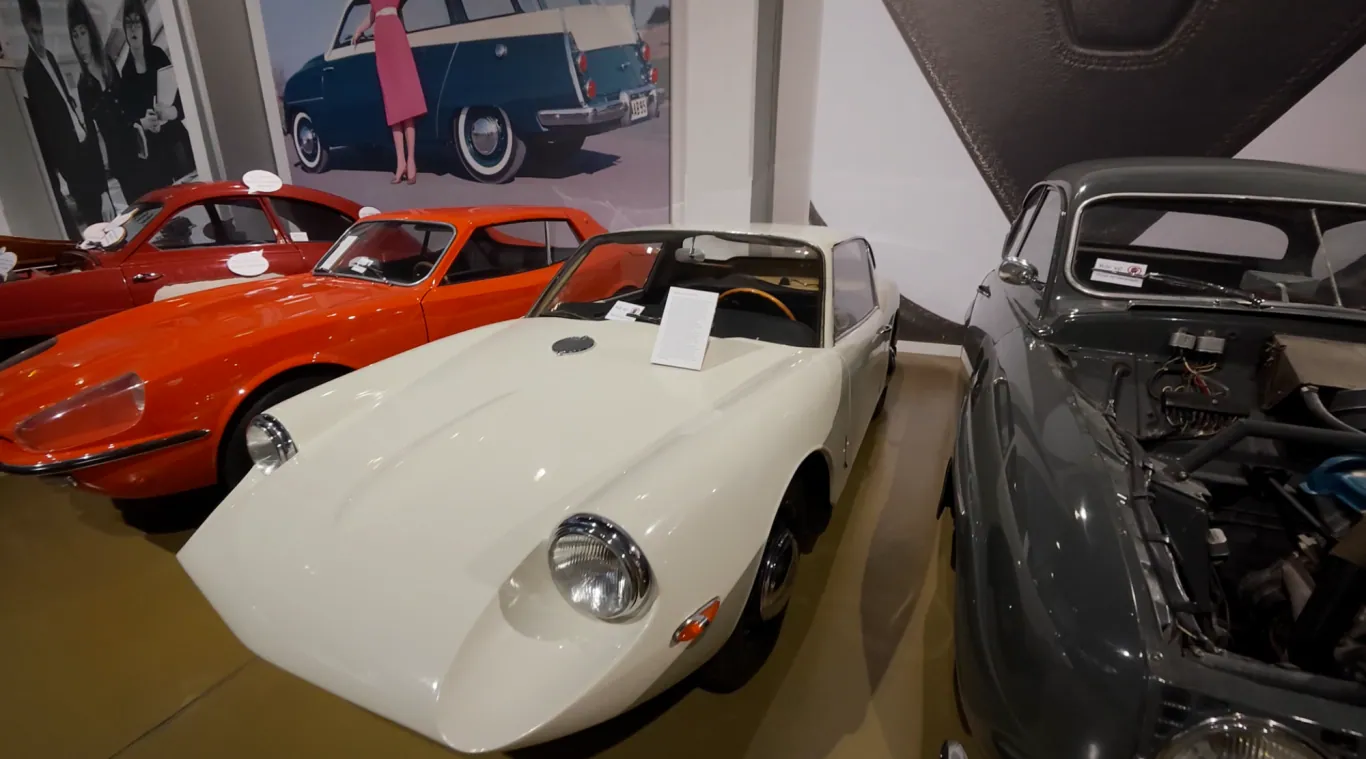
Here, cars from every period of Saab's history are displayed in chronological order. You can literally walk through the development – from the first experimental models to modern turbocharged cars and advanced concept cars. We naturally started at the beginning.
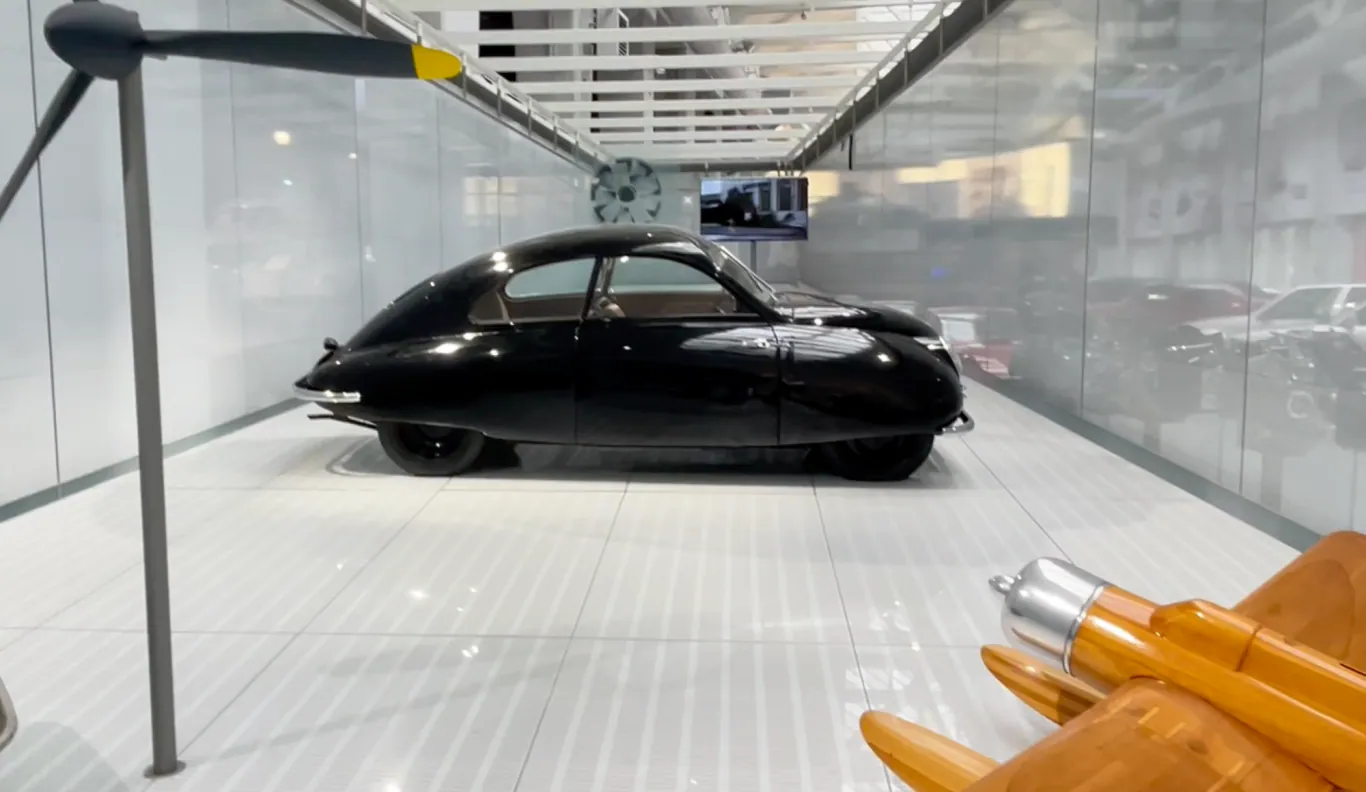
The first car you encounter is Ur-Saab, the prototype that would become Saab 92. The shape is clearly inspired by aircraft – rounded, aerodynamic, and completely unlike most other cars from the same era. It's fascinating to think that this car marks the starting point for a car brand that would later become known worldwide.
But our visit wasn't just about history. After a while, it became clear that Leo had his own plans for the day. While we adults got stuck in the history, he wanted to quickly move on to what he called 'the cool cars'.
If you're looking for more family-friendly attractions in the same category, you can also check out our collection page for museums with children.
Saab Models Through the Decades
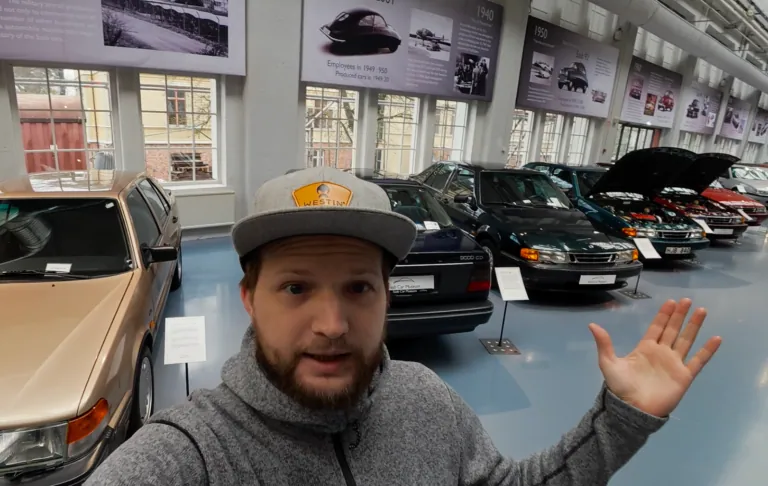
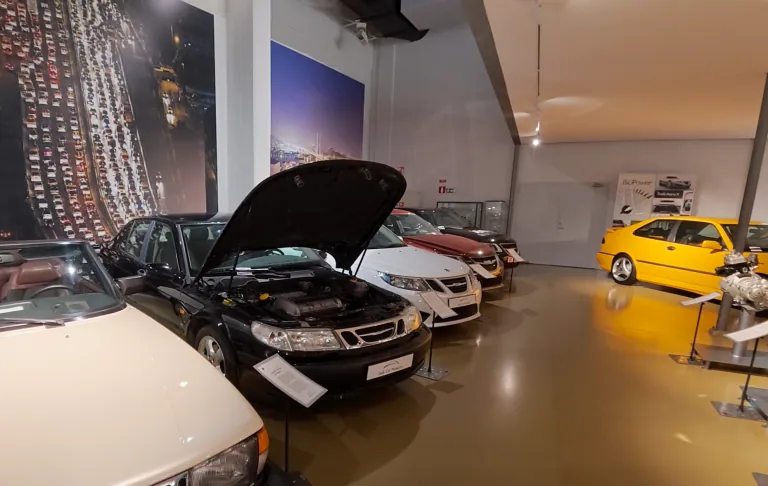
As you move through the museum, you can clearly see how Saab constantly tried to do things differently.
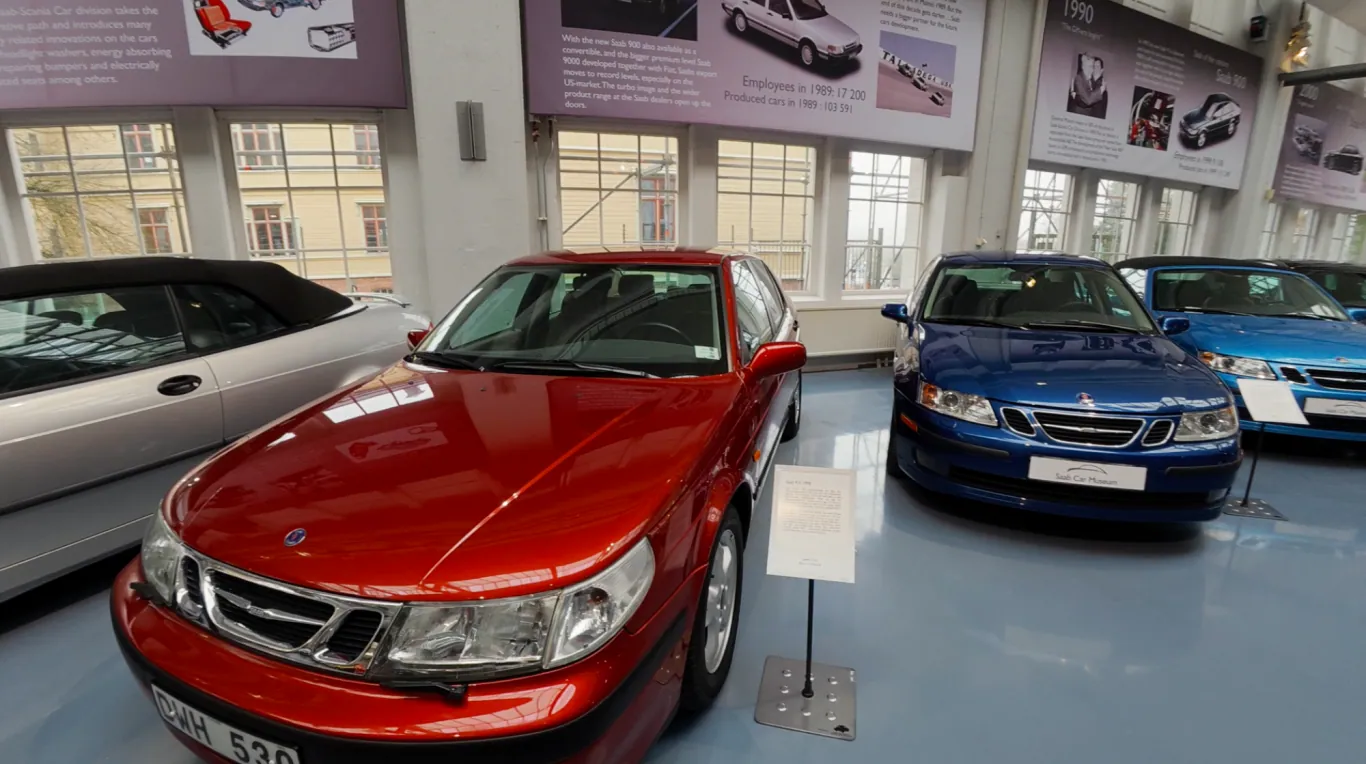
Here you'll find classic models such as:
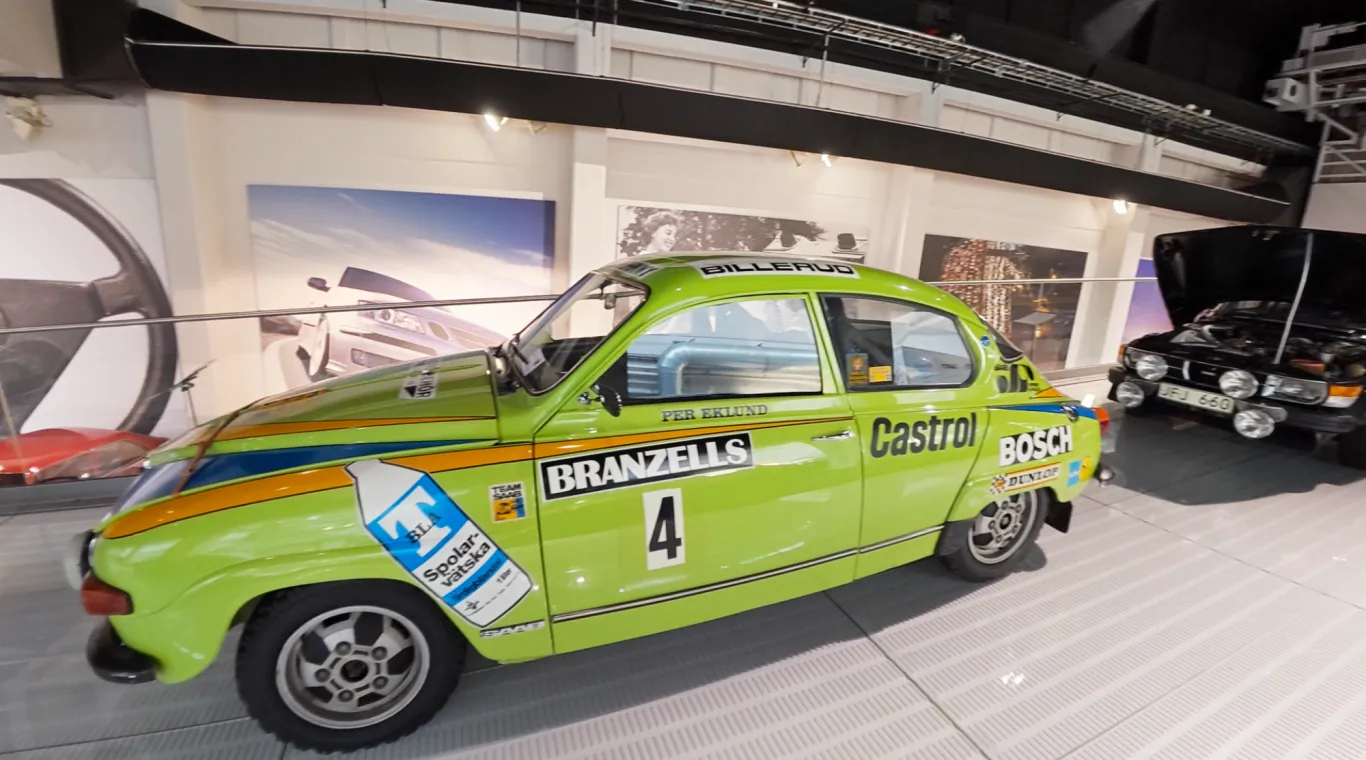
- Saab 96
- Saab 99
- Saab 900
- Saab 9000
Each represents an important part of Saab's evolution.
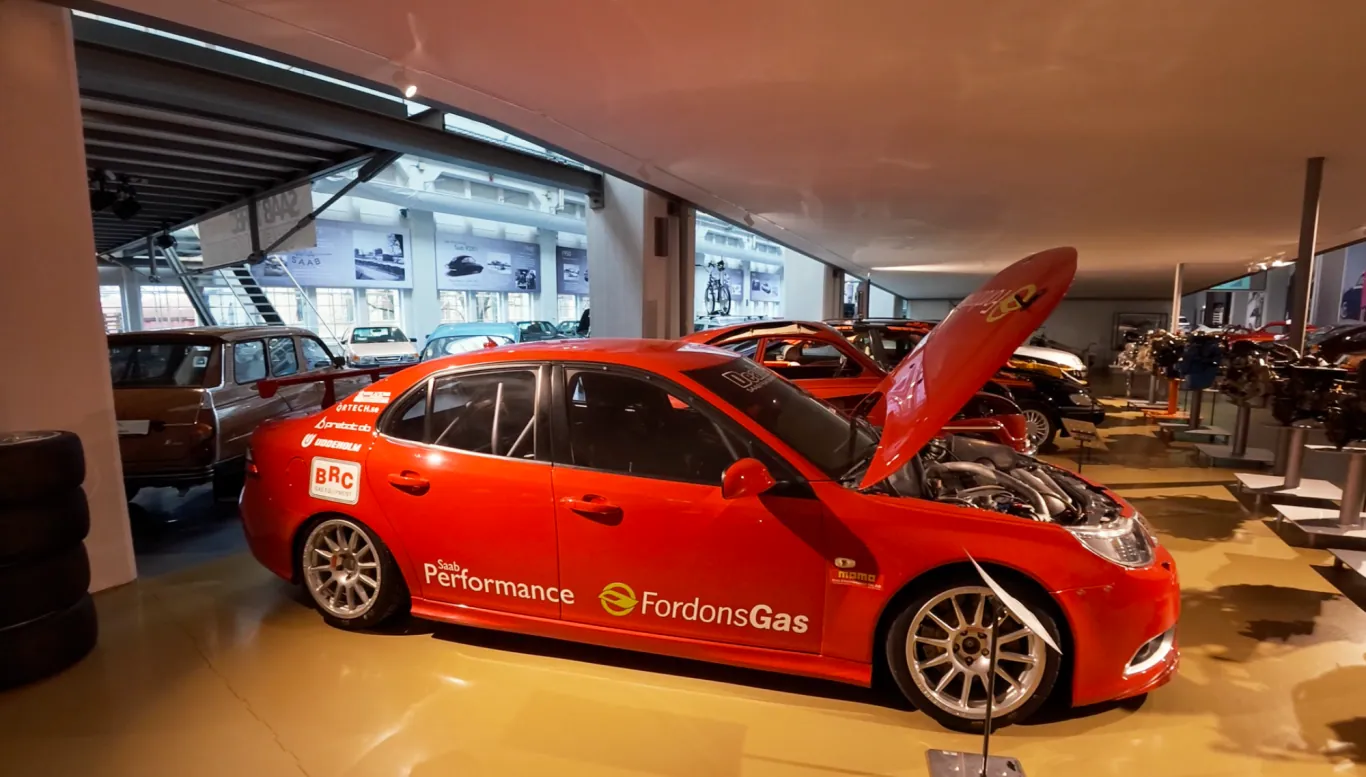
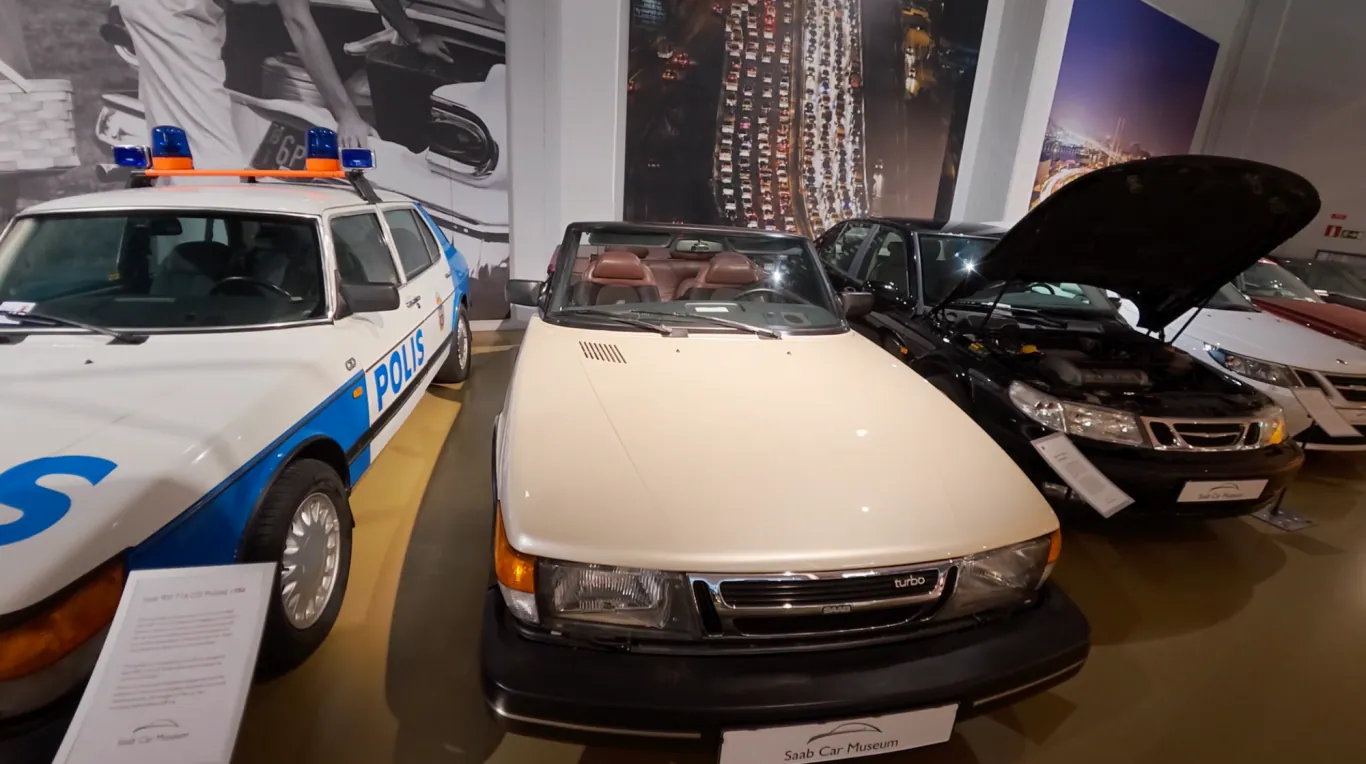
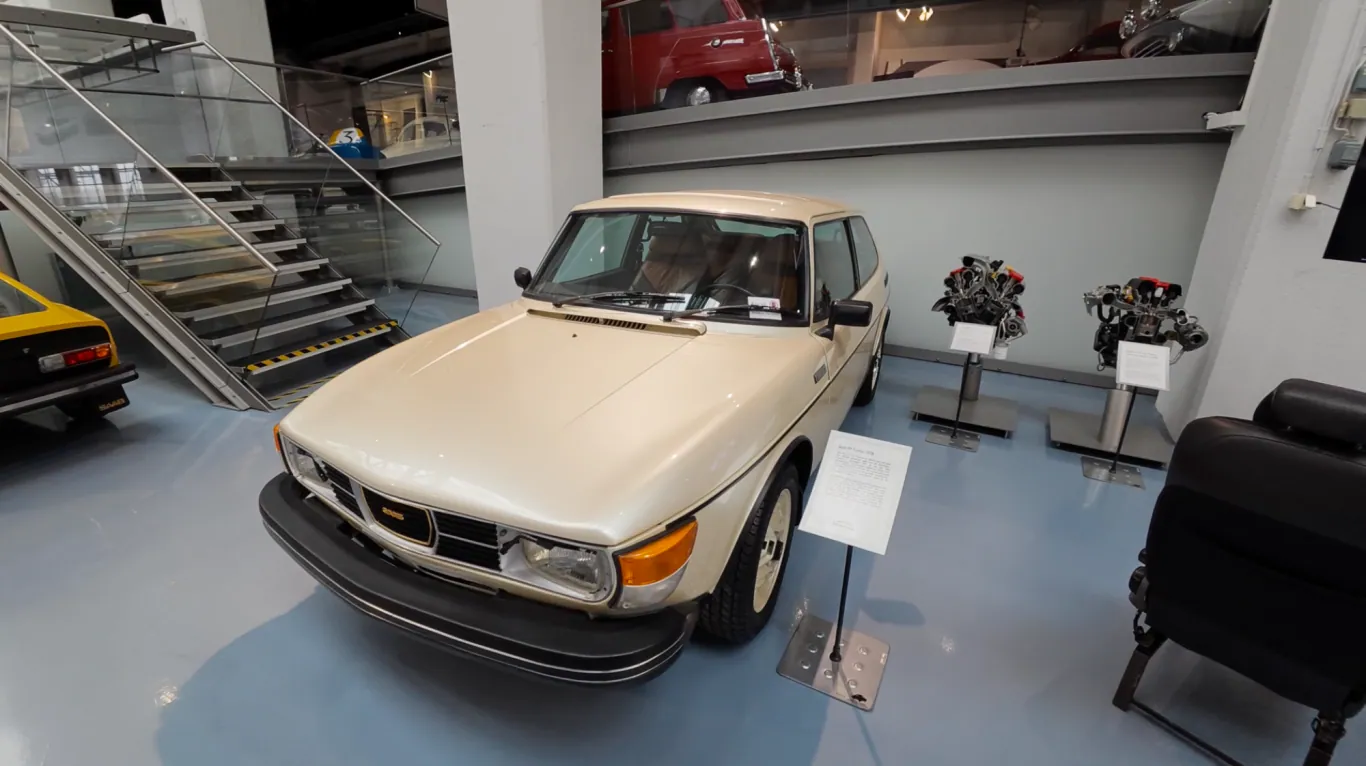
A particularly interesting moment in history came in 1978 when Saab launched the Saab 99 Turbo. At that time, turbo was almost exclusively associated with racing cars. Saab changed that by introducing turbo in a family car. It became a technical revolution. Suddenly, an everyday car could offer performance that was previously reserved for sports cars. This type of innovation was what Saab became known for.
Safety, Technology, and Aviation Heritage
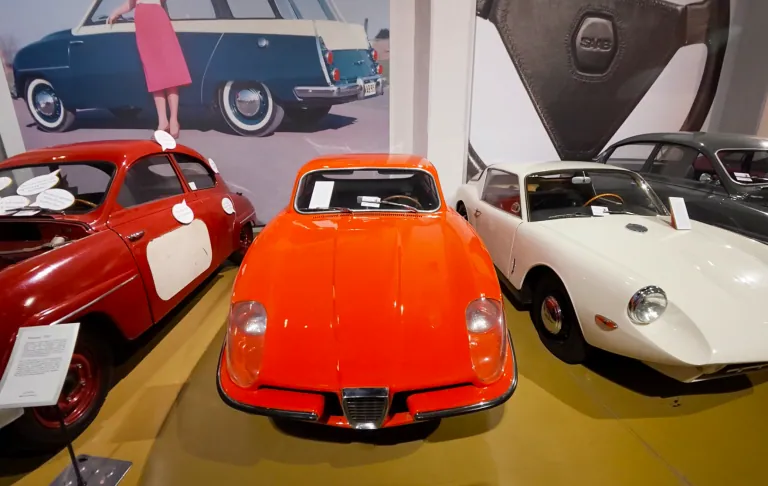
Saab was an early brand that put safety at the center. Many of the solutions that seem obvious today were introduced or popularized by Saab.
Examples of this include:
- strong safety cages
- advanced shock-absorbing constructions
- focus on driver ergonomics
The aviation heritage was clearly visible in details such as the so-called night panel function, where the instrument panel could be darkened to reduce distraction during night driving. This was typical Saab – technical solutions that put the driver first.
Saab 9000 – The Executive Car
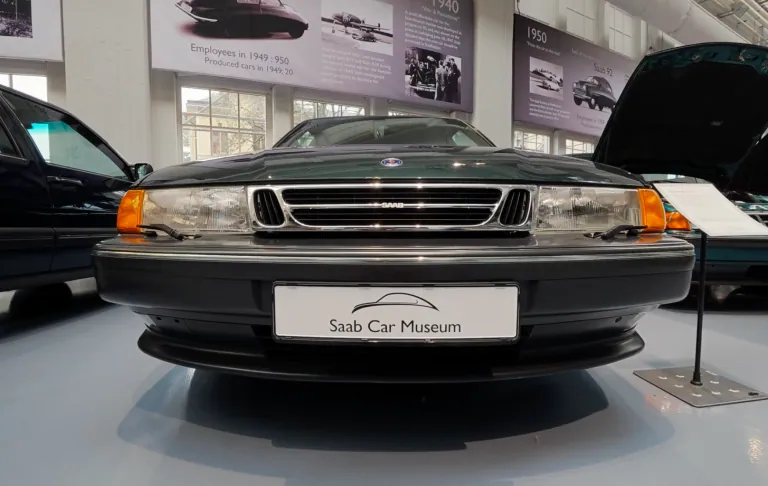
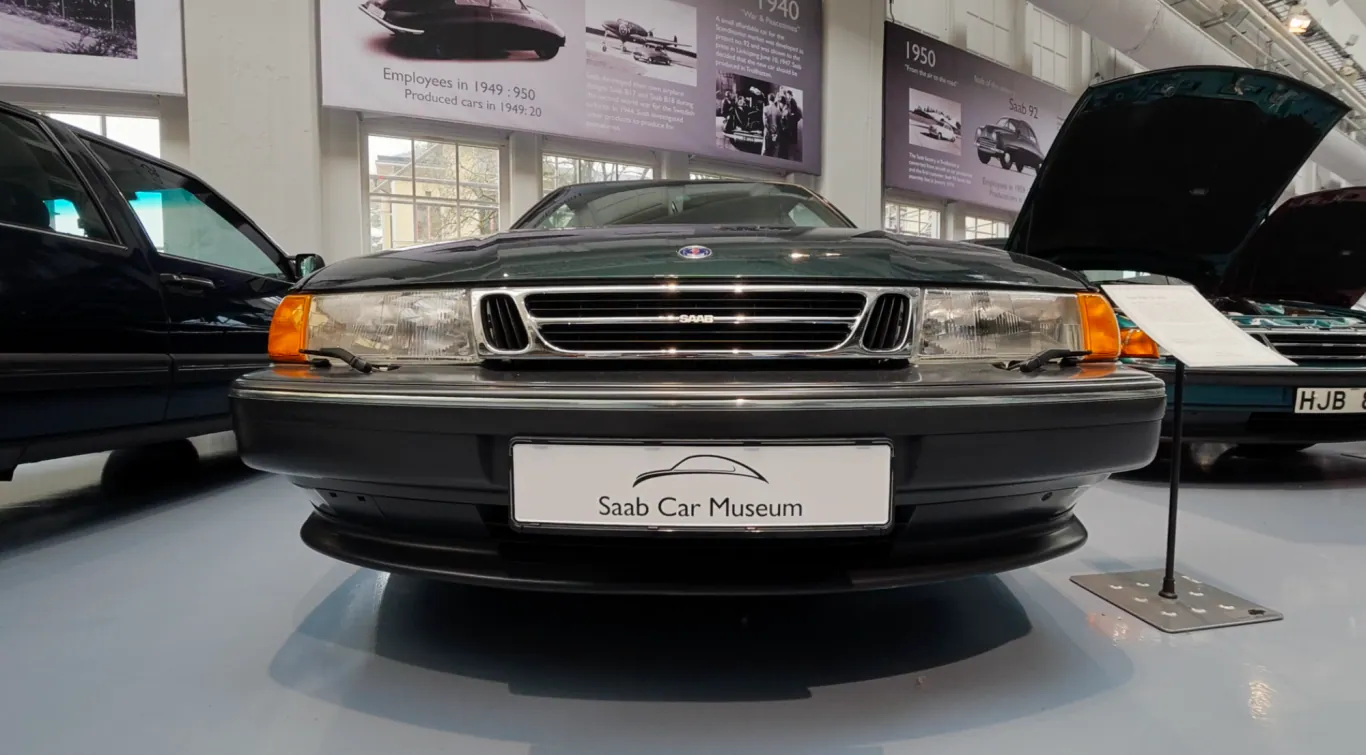
One of the models that really stands out at the museum is the Saab 9000. When it was launched in the 1980s, this was Saab's big step into the premium segment. The car was larger, more powerful, and more exclusive than previous models.
Over 500,000 units were manufactured in Trollhättan. Saab 9000 quickly became known as something of an executive car – a car for those who wanted to combine comfort, safety, and performance. It showed that Saab was no longer just an odd Swedish car brand. This was industry for real.
Concept Cars and Visions of the Future
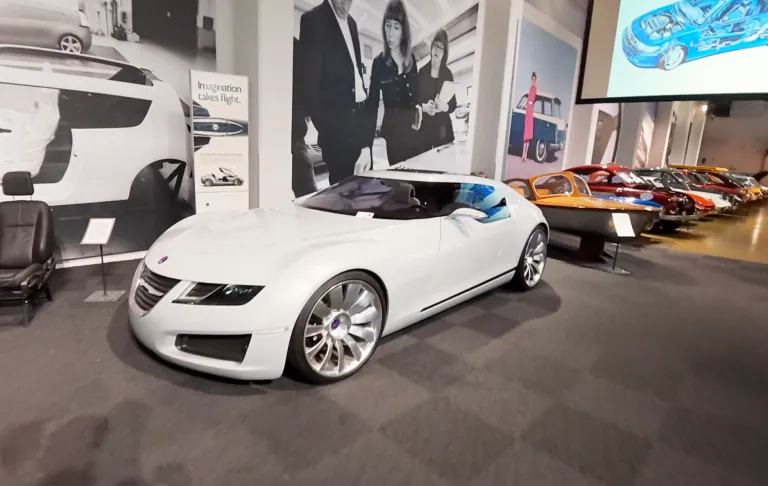
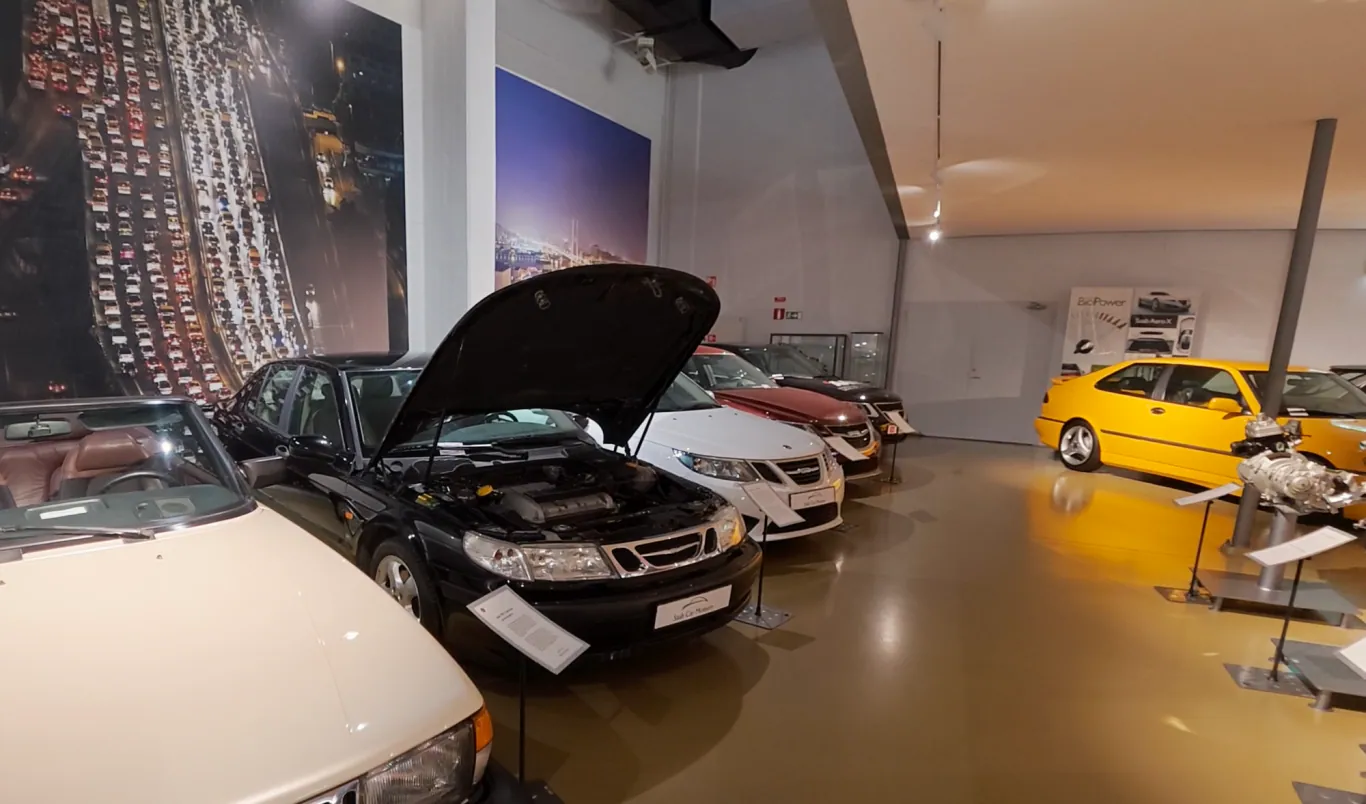
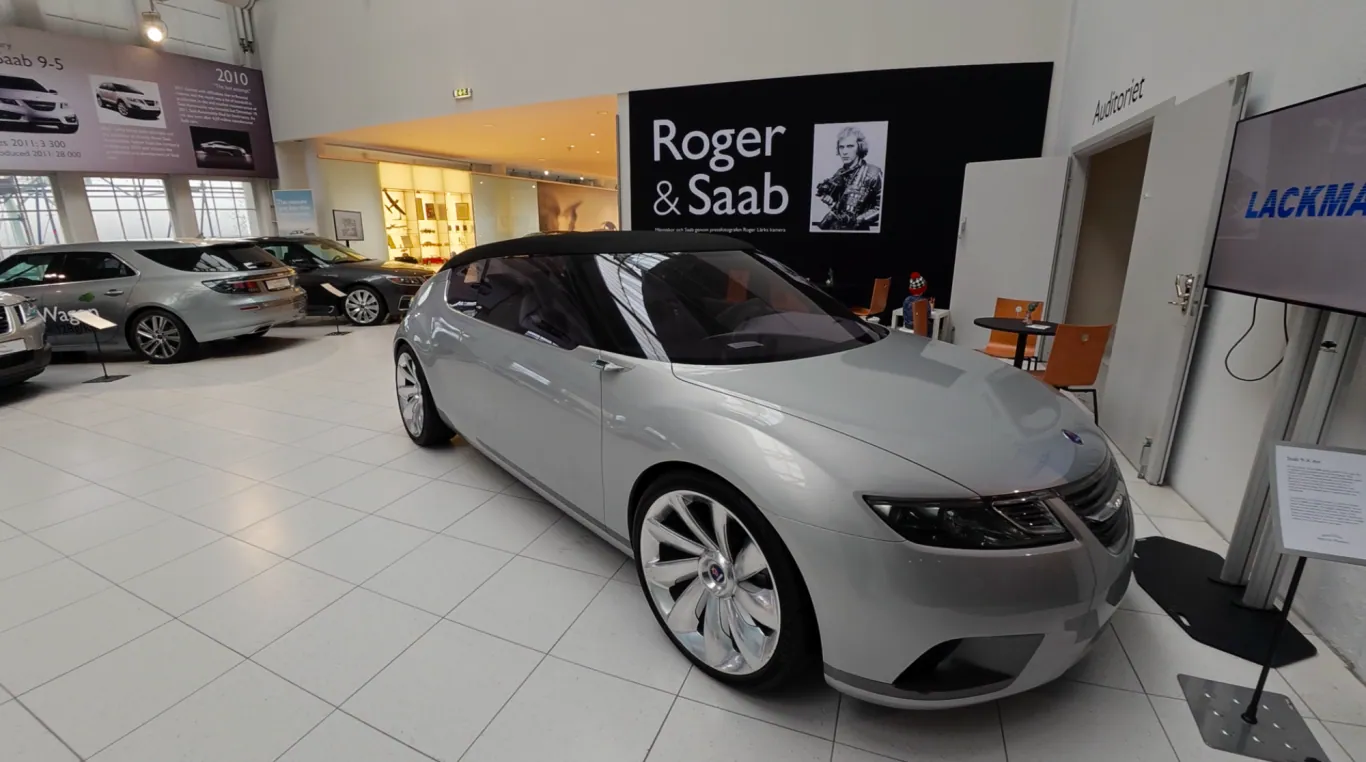
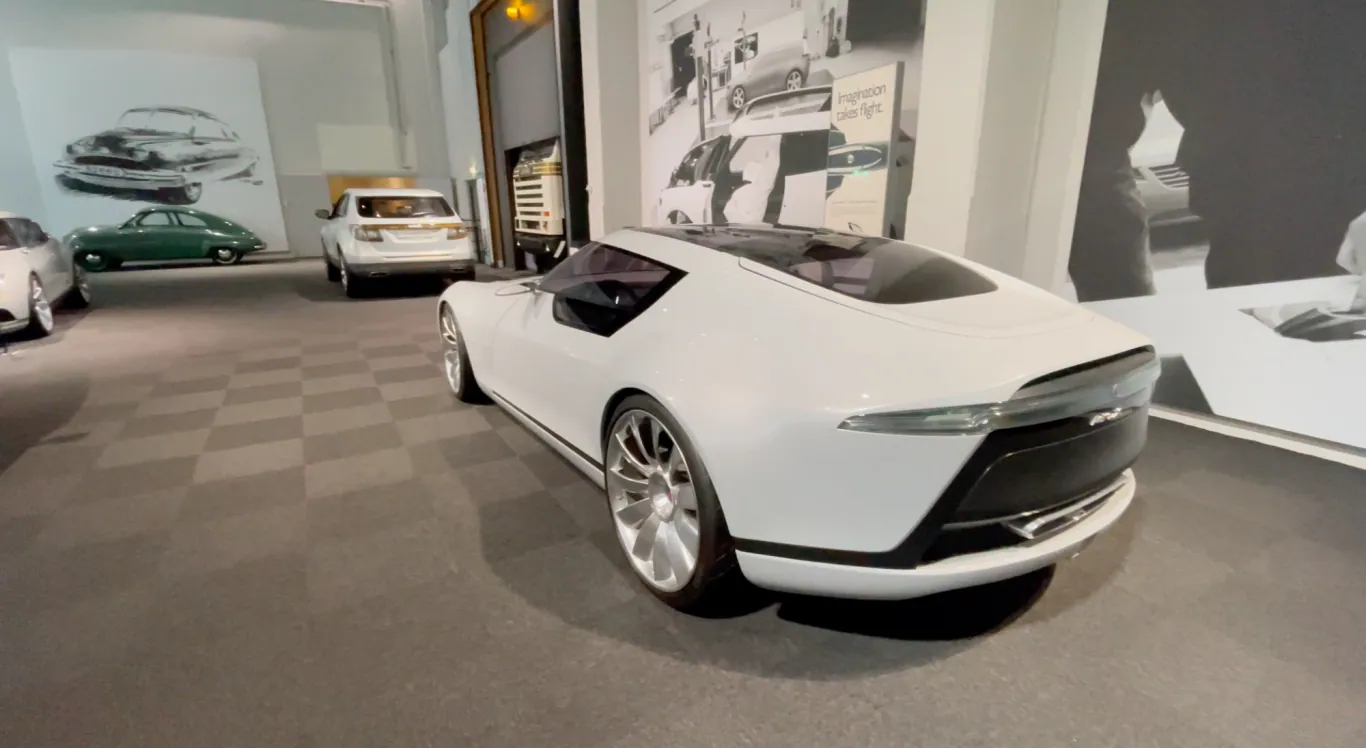
Toward the end of the museum await some of the most spectacular cars in the entire collection. Here stand several concept cars that show how Saab thought about future design and technology.
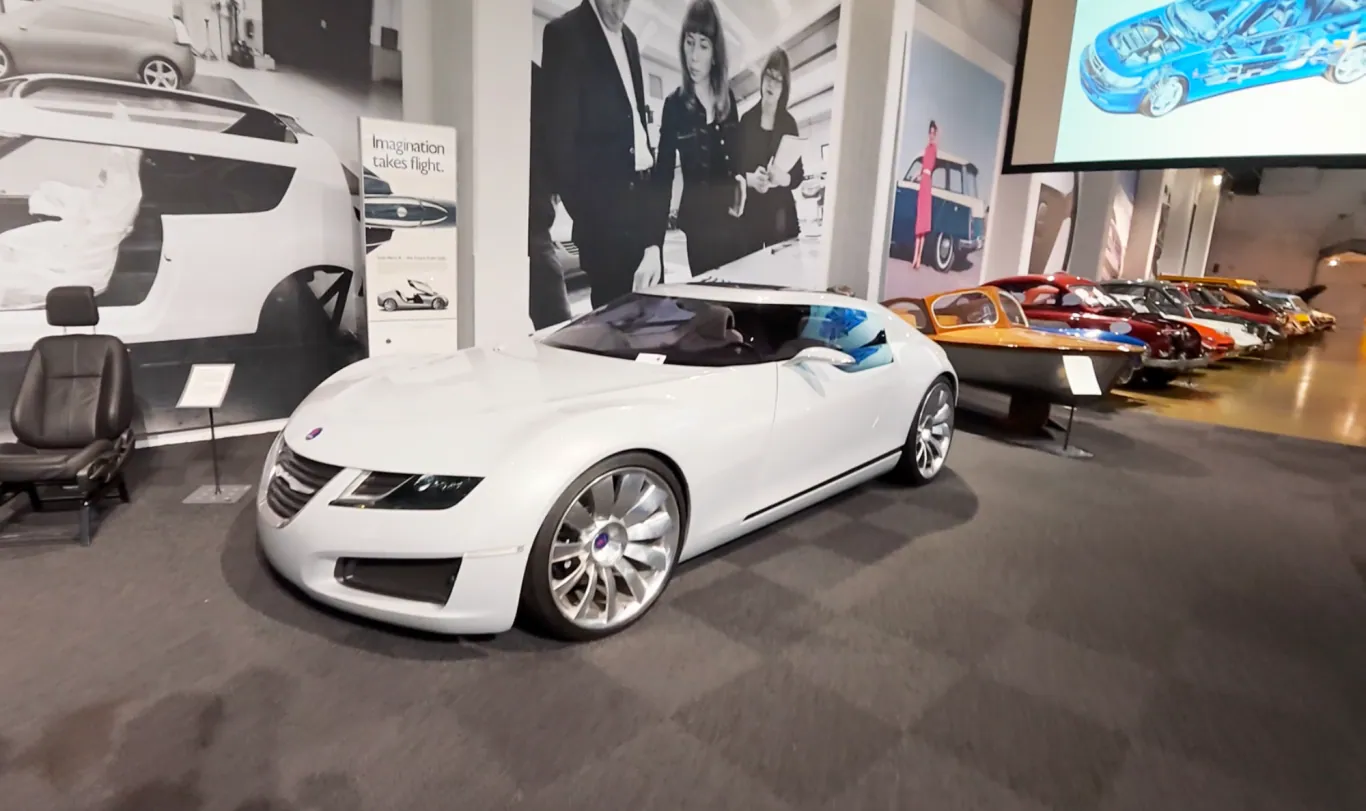
One of the most noted is the Saab Aero X, a concept car presented at the 2006 Geneva Motor Show. The design is dramatic. The doors open in a way that feels almost more like an airplane than a car, and the whole car looks like something from a science fiction film.
Most fascinating is that despite the car now approaching 20 years old, the design still feels modern. It could easily roll by on a summer road today without feeling old. For me, this car actually became my personal favorite in the entire museum.
Is Saab Car Museum Suitable for Children?
This is a question many families ask when it comes to museums: is it really something for children?
The answer is actually yes. Although much of the content is technical, there is much to discover for younger visitors as well. The many cars, the different shapes and colors, and the clear time travel through car history mean that even children can find things that capture their interest.
However, during our visit, it didn't take long before Leo had enough of historical details. After a while, he went and sat down and drew instead. But it's also part of the family experience – sometimes children discover museums in their own way.
For more thoughts on planning and expectations when traveling as a family, you can read our guide on travel with children.
Practical Information Before a Visit
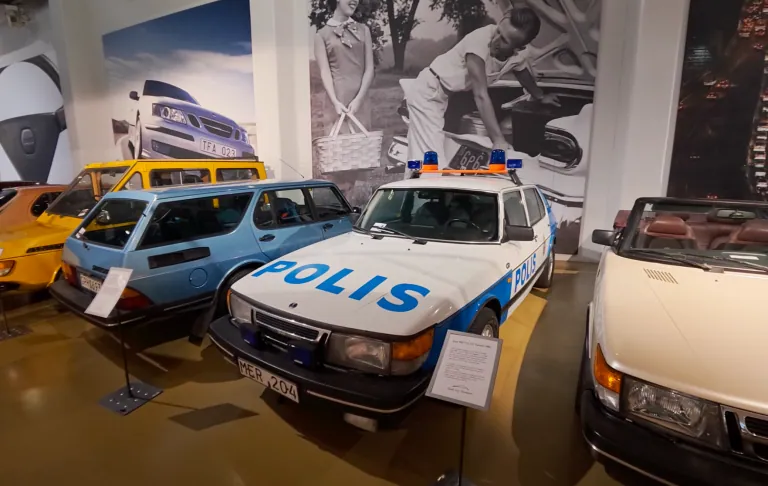
Saab Car Museum is located in Trollhättan in the Innovatum area and is easily accessible by both car and public transport. A visit usually takes 1-2 hours, depending on how interested you are in the details.
The museum is particularly suitable for:
- car enthusiasts
- technology enthusiasts
- families
- people who want to experience Swedish industrial history
If you're in the area anyway, it may be worth combining your visit with other technical experiences. For example, we have visited Aeroseum, which is a completely different kind of experience but with a clear connection to Swedish technology and aviation history.
If you want to continue with 'Swedish industry and vehicles', our visit to World of Volvo may also be relevant.
Our Assessment
Saab Car Museum is more than just a car museum. It's a story about Swedish innovation, engineering, and industrial history. From the first prototype in 1947 to futuristic concept cars, the museum shows how Saab constantly tried to think differently.
For us, it was a visit filled with nostalgia, technology, and discovery. And even though Leo perhaps mainly looked for the coolest cars, that's exactly what makes the museum special. There's something here for everyone.
Summary
Saab Car Museum in Trollhättan is a unique place for those who want to understand the history behind one of Sweden's most iconic car brands. Here you can follow the entire evolution – from Ur-Saab in 1947 to futuristic concept cars that show how Saab envisioned the future.
It's a museum that combines technology, design, and Swedish industrial history in a way few other places do. If you're in Trollhättan, it's definitely worth a visit.
Related guides & outings

Guides







Gallery
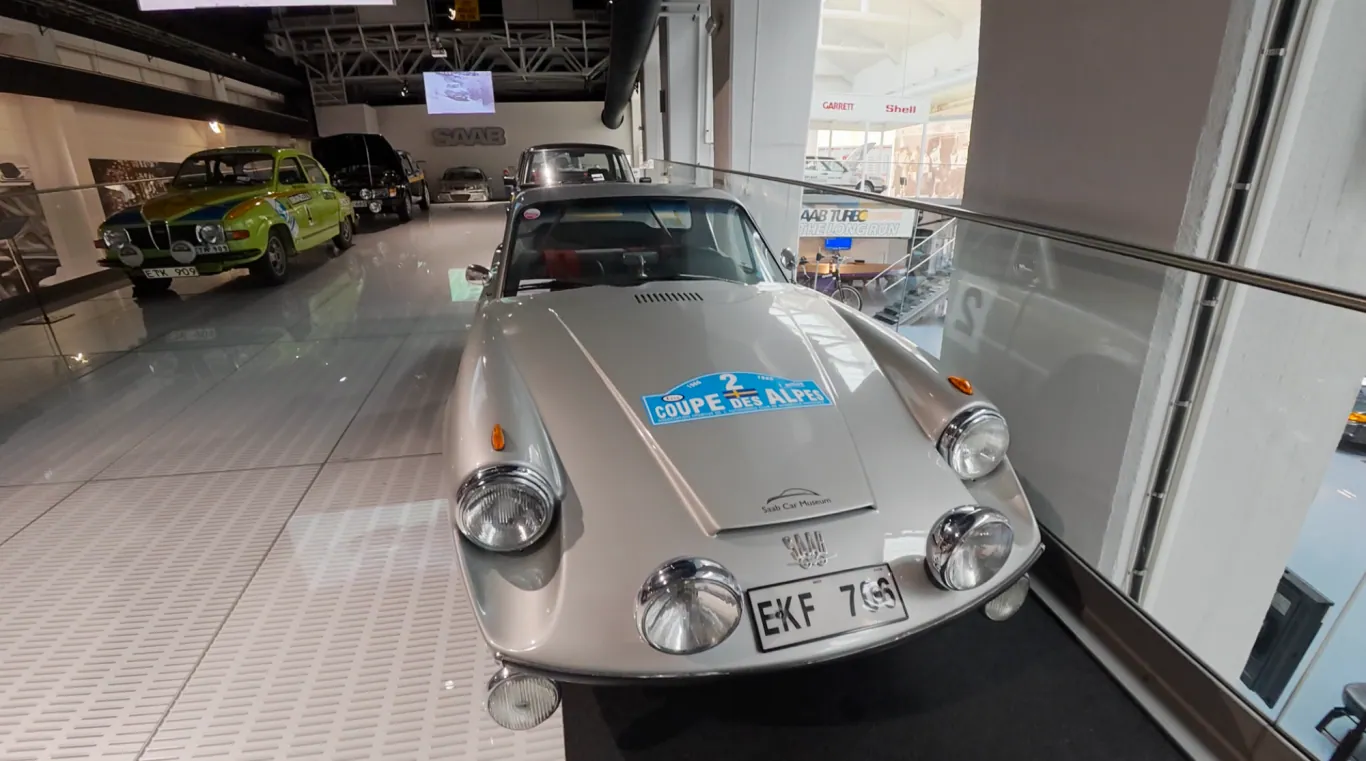
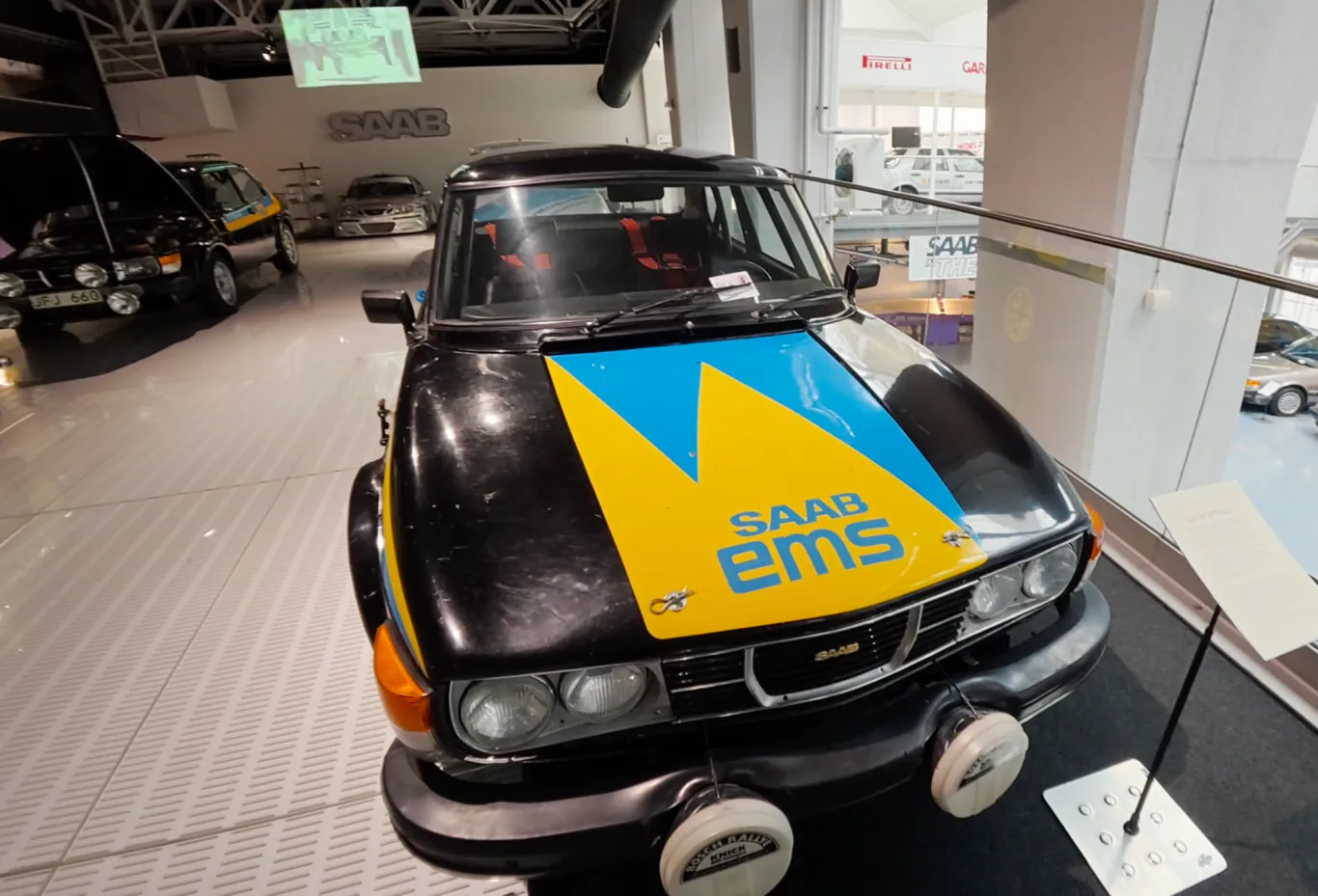
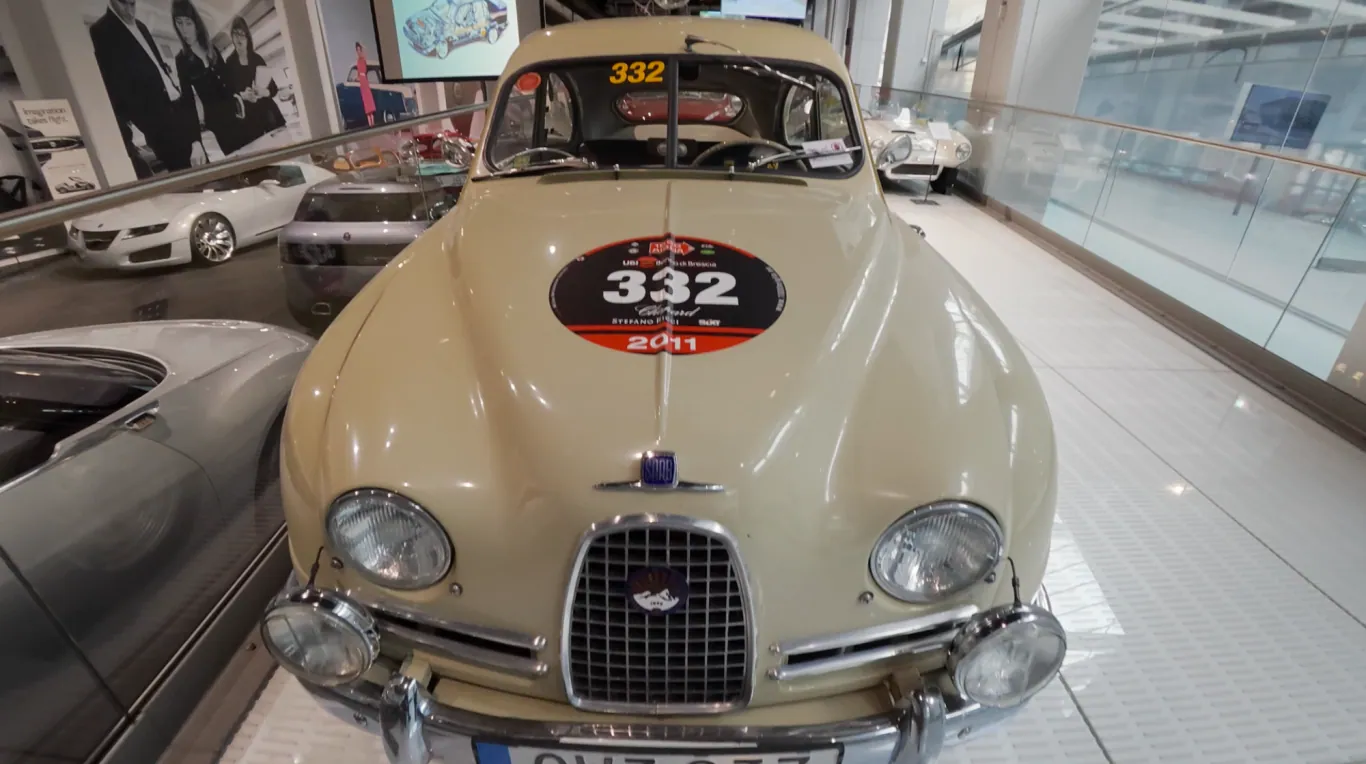
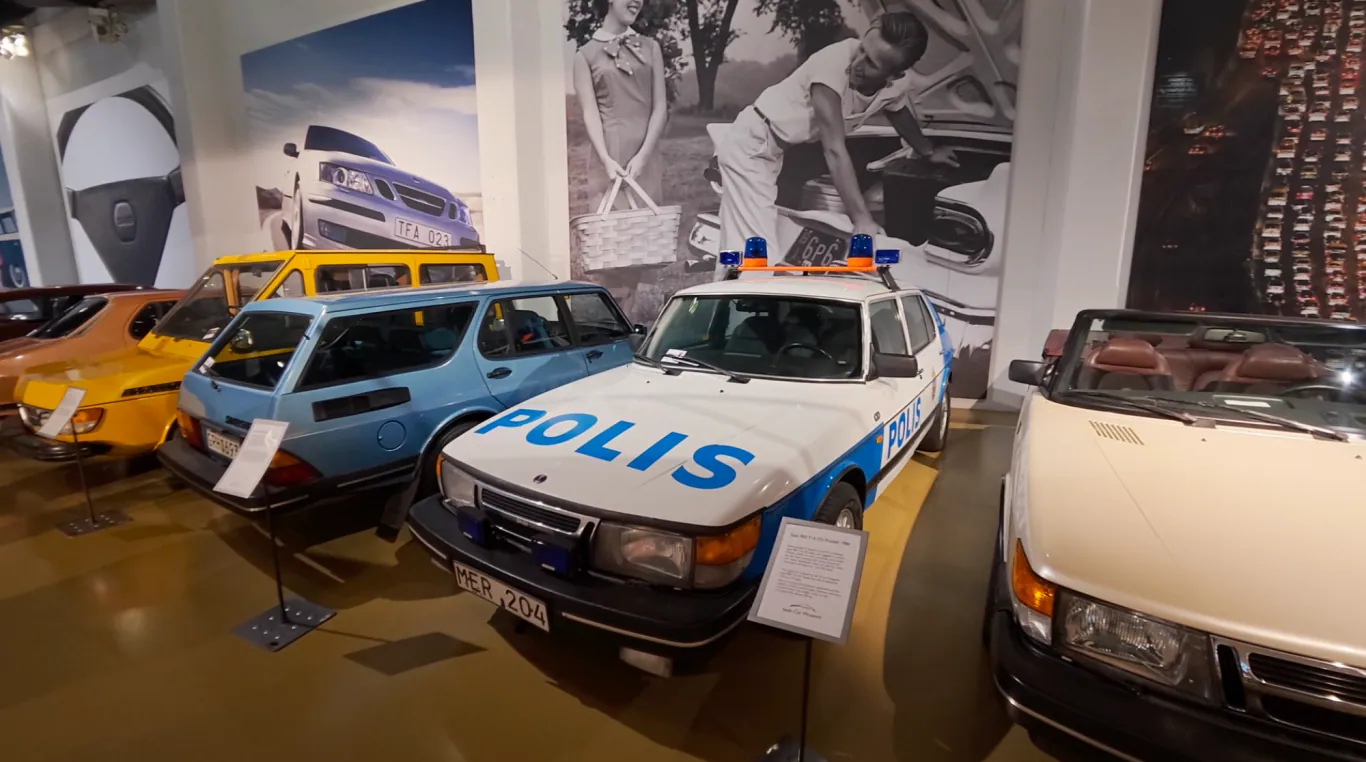
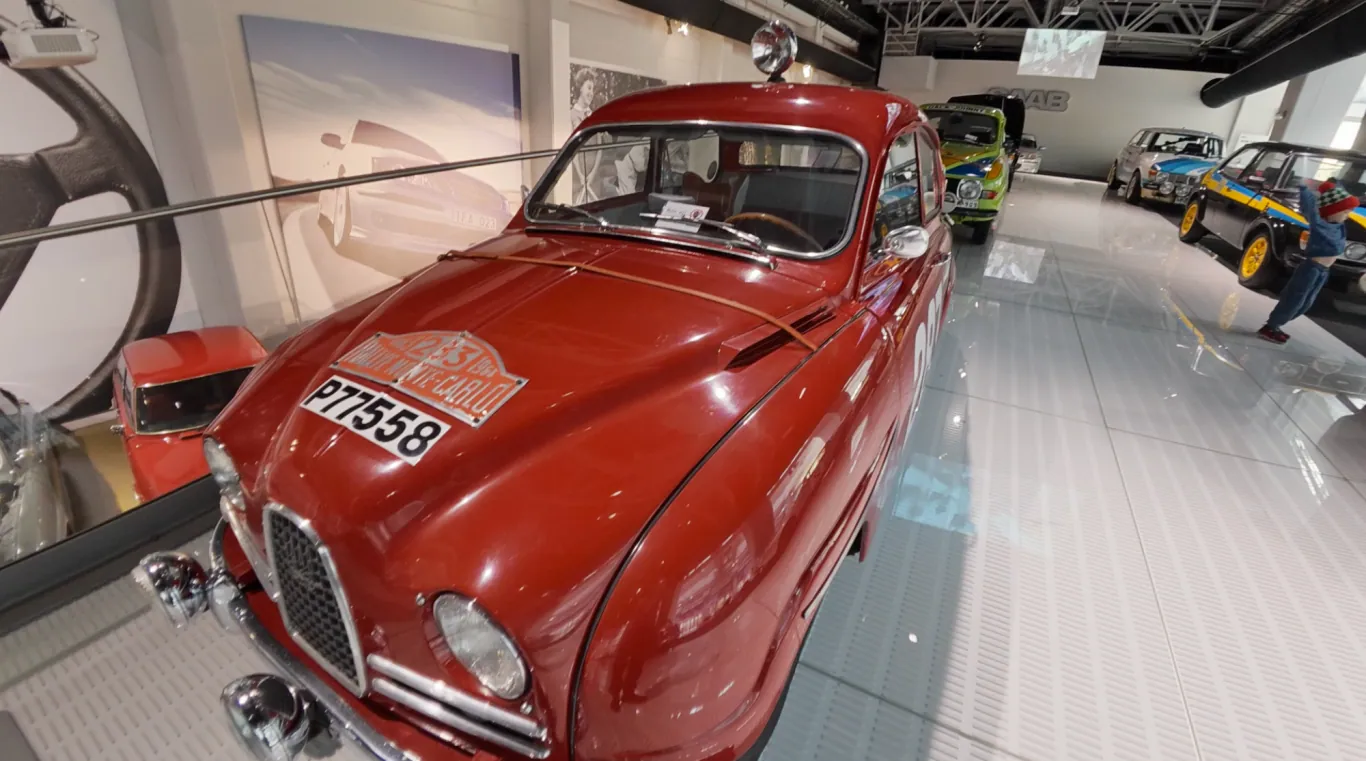
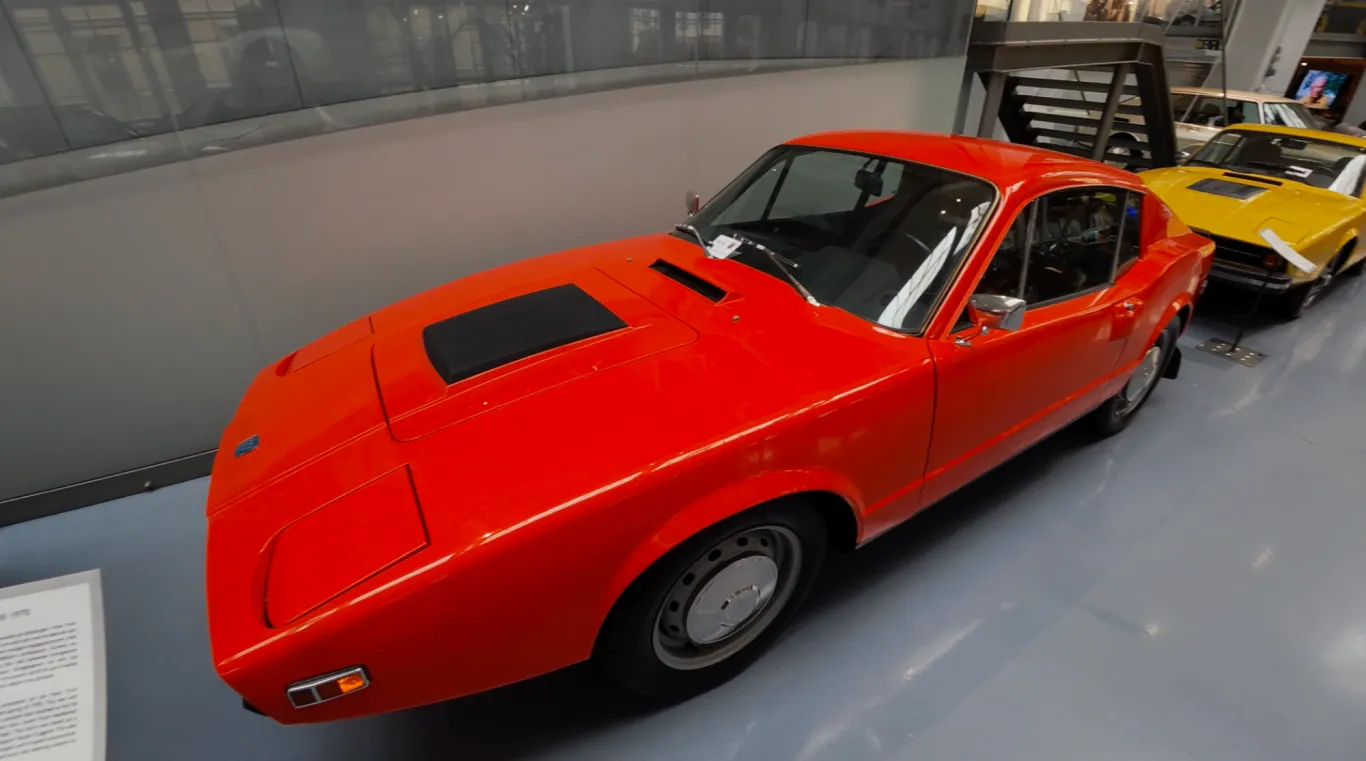
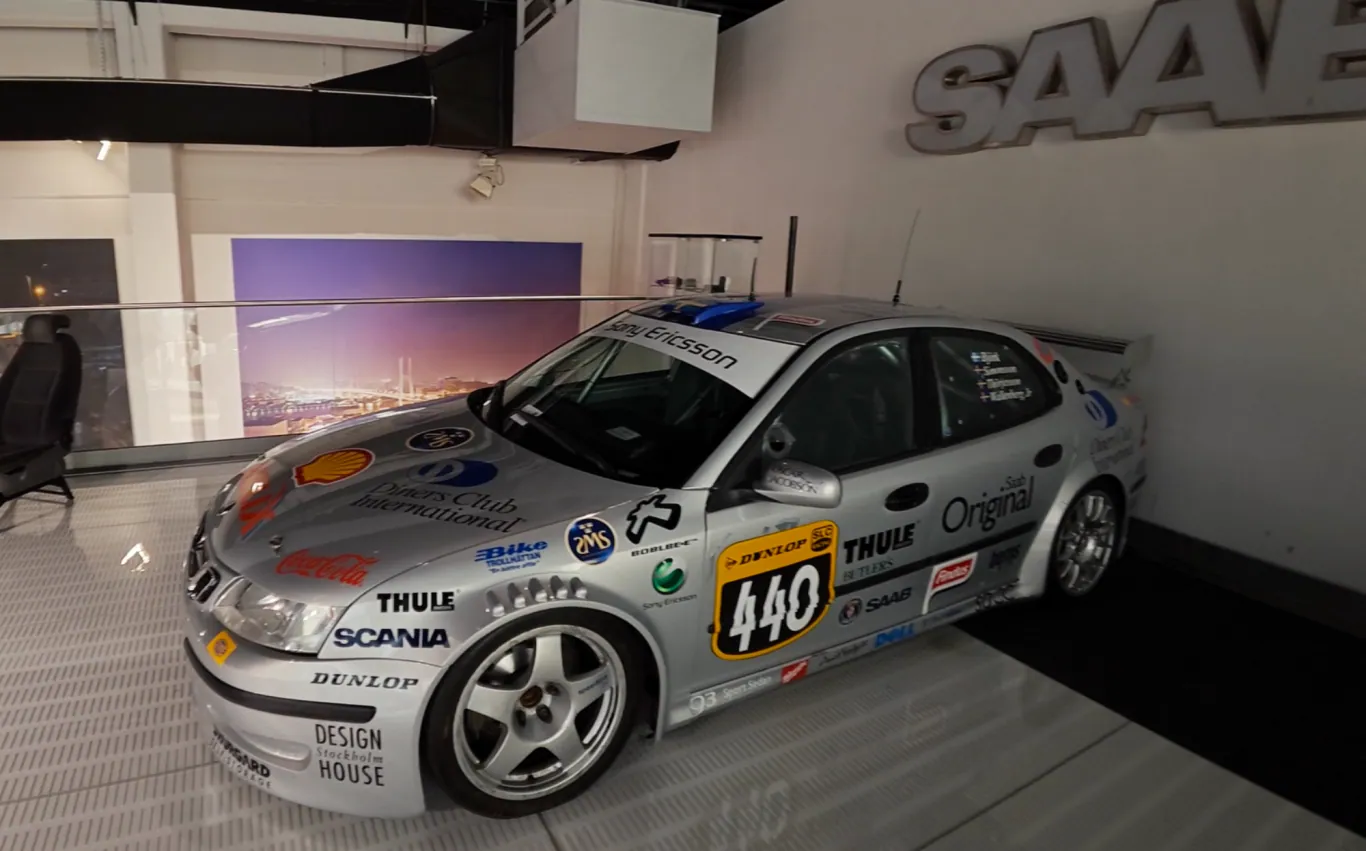
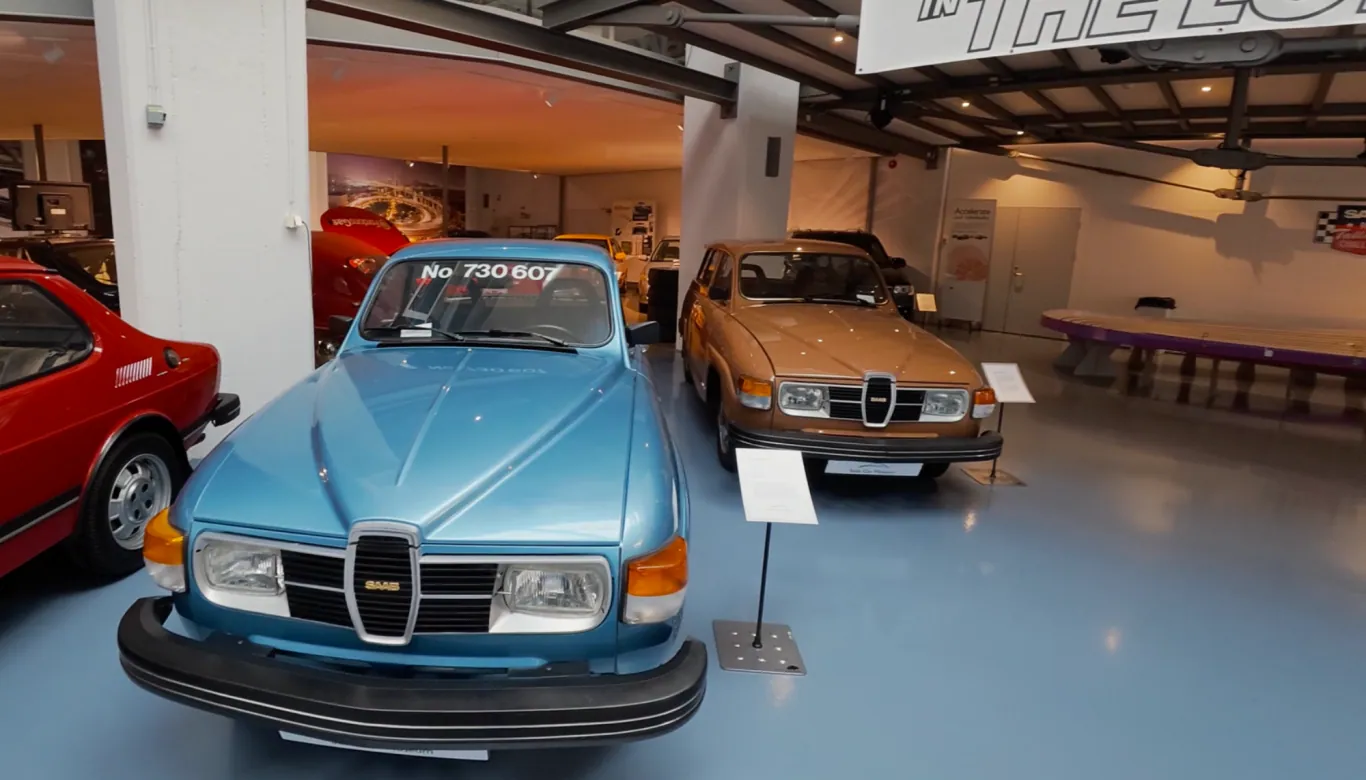
A small selection of photos from our visit to Saab Car Museum.
See Our Complete Visit to Saab Car Museum in Trollhättan on YouTube
Directions
Finding your way here is easy. Use the map to see the exact location and get directions straight from where you are now.
We recommend using Google Maps or another map service for the current route, travel time and any traffic updates.
The map loads from Google Maps only when you click.